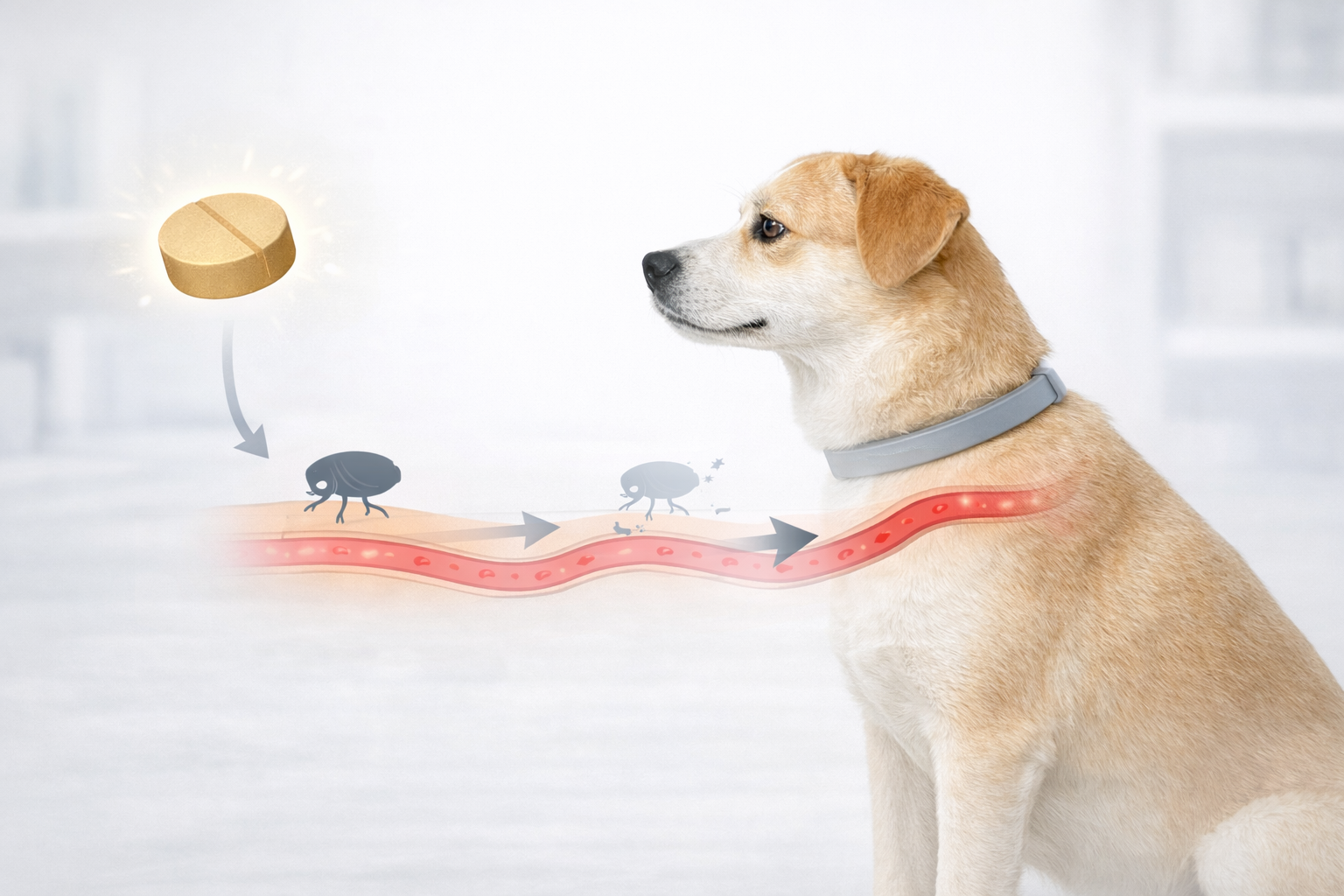
Oral flea pills can be a practical, low-mess way to protect dogs from fleas-especially for owners who dislike applying products to the skin. The most important expectation to set is this: these products generally don’t repel fleas. Instead, they work after a flea bites and takes in the medication through your dog’s blood. That “kill after bite” detail matters for dogs with itchy skin, flea allergy dermatitis, or households dealing with a heavy flea season.
Dog owners usually reach for oral options for two different reasons. The first is fast knockdown-a short-duration pill used to quickly reduce adult fleas in a rescue situation or at the start of an infestation. The second is ongoing prevention-a monthly (or longer) chew that keeps killing new fleas before they can build a population.
Which option is safest and most effective depends on your dog (age, weight range, health history), your environment (indoor/outdoor exposure, local ticks), and how reliably you can keep up with prevention.
How Oral Flea Pills Work (Simple Explanation + Practical Meaning)
Most flea pills are systemic: your dog swallows the product, it’s absorbed, and it circulates in the bloodstream. When a flea bites, it ingests a small amount of that medication. The drug then interferes with the flea’s nervous system, leading to death.
What “kill after bite” really means (without the scare factor)
“After bite” doesn’t mean your dog is in danger-it describes how the flea is exposed to the medication. Fleas have to feed to take in the drug. Practically, this means:
- You may still see a flea or two briefly-especially early on or in a flea-heavy home.
- Dogs with flea allergies may still itch for a while because one bite can trigger a reaction in sensitive dogs.
- It can reduce the chance of fleas living long enough to lay eggs, which is crucial for breaking the lifecycle.
What owners should realistically notice
Depending on the product type and the severity of the problem, many owners notice:
- Less scratching and biting at the skin over days (sometimes sooner, sometimes later)
- Fewer live fleas when combing
- Fewer new “flea dirt” specks over time
- A gradual improvement rather than an instant “all clear,” especially if the home environment is seeded with eggs/larvae
If you’re considering an oral flea option because your dog is miserable, it’s also worth asking your veterinarian whether your dog’s skin irritation is likely flea-driven or if allergies, infection, mites, or another condition could be contributing.
Two Categories of Oral Options (This is your differentiator)
Fast-acting, short-duration “knockdown” pills
When they’re used:
These are often chosen for “rescue” moments-when you discover fleas suddenly, bring home a foster dog, or realize prevention lapsed and fleas are now active.
What they typically do well:
- Rapid reduction of adult fleas (helpful when you need quick relief and quick population control)
- Useful as a starter step while you set up longer-term prevention
What they often do not do:
- They may not last long enough to cover newly emerging fleas for weeks
- Many don’t address the entire lifecycle on their own (eggs/larvae in the home can keep replenishing fleas)
- They aren’t a complete “set it and forget it” plan for most households
Practical takeaway:
Knockdown pills can be a smart first move, but they work best when paired with a longer-term prevention strategy and basic home cleanup steps (covered below).
Monthly (or longer) preventive chews
Why they’re common vet choices:
Longer-duration chews simplify routine prevention: give the product as directed on the label, keep consistent, and reduce the chance that fleas survive long enough to reproduce. This is especially helpful in multi-pet homes or in regions where fleas persist beyond summer.
Broader parasite control:
Many longer-duration chews also cover ticks, which can matter more than people realize-tick risk can be seasonal, regional, and sometimes surprisingly high even in suburban yards. When your vet thinks beyond fleas, they may talk about aligning flea prevention with your broader plan for heartworm prevention and tick medications (based on local disease risk and your dog’s lifestyle).
Practical takeaway:
If you want the simplest plan with the least day-to-day fuss, longer-duration preventives are often the backbone of a vet-guided parasite program.
TABLE #1 (scannable)
| Option | Primary goal | Typical onset | Typical duration | Best for | Main limitations | Safety notes |
|---|---|---|---|---|---|---|
| Fast knockdown pills | Quick reduction of adult fleas | Often fast | Short | Rescue situations, heavy infestation start | Usually not enough for long-term control alone; doesn’t solve home lifecycle | Follow label; call vet if dog has complex medical history |
| Monthly preventive chews | Ongoing flea control; often broader coverage | Varies by product | Longer | Most routine prevention plans; owners who want simplicity | Fleas still must bite; environment may still produce fleas early on | Discuss seizure history and other meds with vet |
| Spot-on topicals | Skin-applied prevention | Varies | Varies | Dogs who can’t take oral products; some parasite combinations | Application errors; residue concerns; bathing/swimming may affect some products | Keep away from kids until dry; monitor skin sensitivity |
| Collars | Long-duration external protection | Gradual to moderate | Long | Owners wanting long-lasting option | Not ideal for all dogs; fit matters; some dogs react to collars | Ensure proper fit; watch for irritation; avoid chewing |
(“Typical” varies by product and region. Always follow the product label and your veterinarian’s guidance.)
When Oral Flea Pills Are a Smart Choice (Scenario-based)
Below are real-life scenarios where oral options can be especially practical. The “best” choice still depends on your dog and your vet’s advice-but these examples can help you decide what to ask for.
1) Active infestation (what to do first week, high-level)
If you’re seeing live fleas, assume the environment is involved too. A common high-level approach is:
- Use a veterinarian-recommended product to reduce fleas on the dog quickly (your vet may suggest a rapid option plus a longer preventive)
- Clean the dog’s bedding and high-traffic resting spots
- Vacuum regularly to physically remove eggs/larvae and flea dirt
- Ensure every pet in the home is on an appropriate flea control plan (untreated pets can keep the cycle going)
The goal is to reduce flea numbers on the dog and cut down the home “flea pipeline.”
2) Dogs that swim or get bathed often
If you bathe frequently (medical shampoo, skin allergies) or your dog swims a lot, oral products can be appealing because they don’t rely on staying on the skin surface. This can remove the stress of “Did I wash it off?” and reduce gaps in protection.
3) Dogs with sensitive skin or contact dermatitis
Some dogs develop redness or itchiness from products applied to the skin. In those cases, an oral approach can avoid direct skin exposure and may be more comfortable-though you still want to monitor for any systemic side effects and talk with your vet about your dog’s history.
4) Households with children (less residue handling)
Many families prefer oral options because there’s no wet application site to avoid touching. For homes with kids who hug dogs often, that “hands-on” reality can make oral prevention feel simpler.
5) Tick-heavy areas (bridge to tick control; be precise)
If your dog hikes, hunts, visits tall grass, or lives in a region with consistent tick risk, you’ll want a plan that addresses ticks-not just fleas. Some longer-duration chews include tick coverage; in other cases, your vet may recommend a specific approach or pairing based on the diseases most common where you live.
6) Owners who struggle with topical application consistency
If you’ve ever missed a month, applied to the wrong spot, or found the product smeared on the fur instead of the skin, you’re not alone. Oral options can reduce “application failure.” Compared with topical flea products, pills can be easier to administer consistently-especially for wiggly dogs or multi-dog households.
Safety: Who Should Be Extra Careful? (8th–9th grade tone)
Most dogs do well with veterinarian-recommended flea preventives, but some dogs need extra caution. If any of the points below fit your dog, talk with your vet before choosing a product.
Puppies (age/weight thresholds concept)
Puppies are not just “small adult dogs.” Their bodies handle drugs differently, and flea products are approved by age and weight bands. Using the wrong weight range can increase side effect risk or reduce effectiveness. Always check that the product is meant for your puppy’s current age and weight category.
Pregnant, nursing, or senior dogs
Pregnancy and nursing can change how a dog’s body processes medications. Seniors may have slower metabolism or hidden illness. Your vet can help you choose an option with the best safety history for your dog’s life stage.
Dogs with a seizure history (balanced, calm)
Some flea preventives have been associated with neurologic side effects in a small number of dogs. This does not mean most dogs will have problems. But dogs with a seizure history should discuss options with a vet so you can pick a product that fits your dog’s risk profile.
Dogs on multiple meds or with chronic illness
If your dog takes other prescriptions (for allergies, thyroid disease, seizures, heart conditions, pain, etc.), tell your vet exactly what your dog takes. Drug interactions are not common for every product, but your vet needs the full list to choose safely-especially with oral medications.
What mild reactions can look like, and when to call the vet
Some dogs may have mild stomach upset, temporary lethargy, or decreased appetite. Call your veterinarian if:
- Symptoms are severe, last longer than expected, or worry you
- Your dog seems disoriented, unusually weak, or has repeated vomiting/diarrhea
- You see any sudden neurologic changes (even if they pass)
When in doubt, a quick call is safer than “waiting it out.”
How to Tell If It’s Working (and Why It Sometimes Seems Like It Isn’t)
The flea lifecycle can make success look slow
Fleas aren’t only on your dog. Eggs and larvae can live in carpets, cracks, bedding, and furniture. Even with a good product, newly emerging fleas can hop onto your dog before they die. That’s why owners sometimes say, “I still see fleas-so it must not be working.” Often, it is working, but the home is still producing new fleas for a while.
You may still see fleas for a period
It’s common to see occasional fleas early in treatment, especially in a home that had fleas for weeks. What you’re looking for is a trend: fewer fleas over time and fewer signs like flea dirt.
Common reasons oral prevention “fails”
These are the most common practical issues veterinarians see:
- Inconsistent use (missed doses or late re-dosing-follow the label and your vet’s plan)
- Wrong weight range (products are weight-banded for safety and effectiveness)
- Counterfeit or unreliable sellers (buy from a veterinarian, pharmacy, or reputable retailer)
- Not treating all pets in the household (cats and other dogs can keep fleas going)
- Home not addressed at all (basic cleaning helps reduce reinfestation pressure)
Home steps (high-level, no chemical instructions)
You can support any flea product with simple environmental steps:
- Wash bedding and soft blankets regularly
- Vacuum floors, rugs, baseboards, and under furniture
- Empty the vacuum canister/bag promptly
- Focus on the places your dog rests most
These steps don’t replace prevention, but they can speed up the “flea decline” you see at home.
Choosing an Oral Product: What Actually Matters
1) Coverage: fleas only vs fleas + ticks
Start by deciding whether you need tick coverage based on your location and lifestyle. If ticks are common where you live or you spend time outdoors, ask your vet about options that cover ticks or how to pair products safely. Your vet may discuss matching flea prevention with your overall parasite plan, including heartworm prevention and tick medications when appropriate.
2) Duration and compliance
The “best” product on paper isn’t helpful if it’s hard to keep consistent. Choose a duration you can realistically maintain. Consistency is what reduces the chance that fleas survive long enough to lay eggs.
3) Palatability and administration practicality
Some dogs take chews like treats; others spit them out or hide them. If your dog is picky, talk with your vet about strategies or alternative forms. Stress-free administration matters, especially for dogs that already take other oral medications.
4) Why class matters more than brand
Different products use different active ingredients, and that can influence:
- How long they last
- Whether they include tick coverage
- Which dogs should be monitored more closely (for example, dogs with a seizure history)
Your veterinarian can explain which drug class makes sense for your dog’s health history and your region’s parasite risks.
Brand examples (examples only-no ranking)
Depending on your country and what your vet stocks, you may hear about common oral chew preventives such as NexGard, Simparica, Bravecto, or Credelio, and short-acting options like Capstar. These names can help you recognize product categories, but your vet is the right person to match the specific product to your dog.
FAQ (Direct answers, short but complete)
How long does it take for a flea pill to work on a dog?
It depends on the product type. Some are designed for fast knockdown, while others focus on ongoing prevention. Many owners notice fewer live fleas and less scratching over time, but a home infestation can make improvement look gradual. Follow the product label and ask your vet what to expect in your specific situation.
Should I bathe my dog before or after an oral flea pill?
Bathing doesn’t usually interfere with how oral products work because they act systemically. That said, if your dog has irritated skin, a gentle bath or vet-recommended shampoo plan might help comfort while flea control takes effect. Ask your vet if bathing is appropriate for your dog’s skin condition.
Can I combine oral and topical products?
Sometimes combinations are used, but mixing parasite preventives can increase side effect risk or create unnecessary overlap. The safest approach is to ask your veterinarian before combining products, especially if your dog has medical issues or takes other medications.
Do I still need year-round prevention?
In many regions, fleas can survive indoors and remain active longer than expected. Year-round prevention is common for dogs because it prevents “start-stop” gaps that allow fleas to rebuild. Your vet can tailor this to your climate, your home, and your dog’s exposure.
CONCLUSION
Oral flea pills can be a smart, practical choice-especially for dogs that swim often, dogs with sensitive skin, households that want less residue handling, or owners who struggle with correct topical application. The key tradeoff is understanding that these products usually work after a flea bites, so relief can be fast in some cases but still look gradual if your home environment is loaded with flea life stages.
Safety-wise, most dogs tolerate vet-recommended products well, but extra caution is reasonable for puppies (because of age/weight bands), pregnant or nursing dogs, seniors, dogs with chronic illness, dogs on multiple medications, and dogs with a seizure history. When you choose a product, focus on coverage, duration you can actually maintain, and your dog’s medical profile-not marketing claims.
Talk to your vet if…
- Your dog is a puppy and you’re unsure about the right age/weight range
- Your dog is pregnant, nursing, elderly, or has a chronic health condition
- Your dog has a seizure history or neurologic concerns
- Your dog takes multiple medications or has had reactions to preventives before
- You’re still seeing fleas after consistent use and basic home cleanup steps