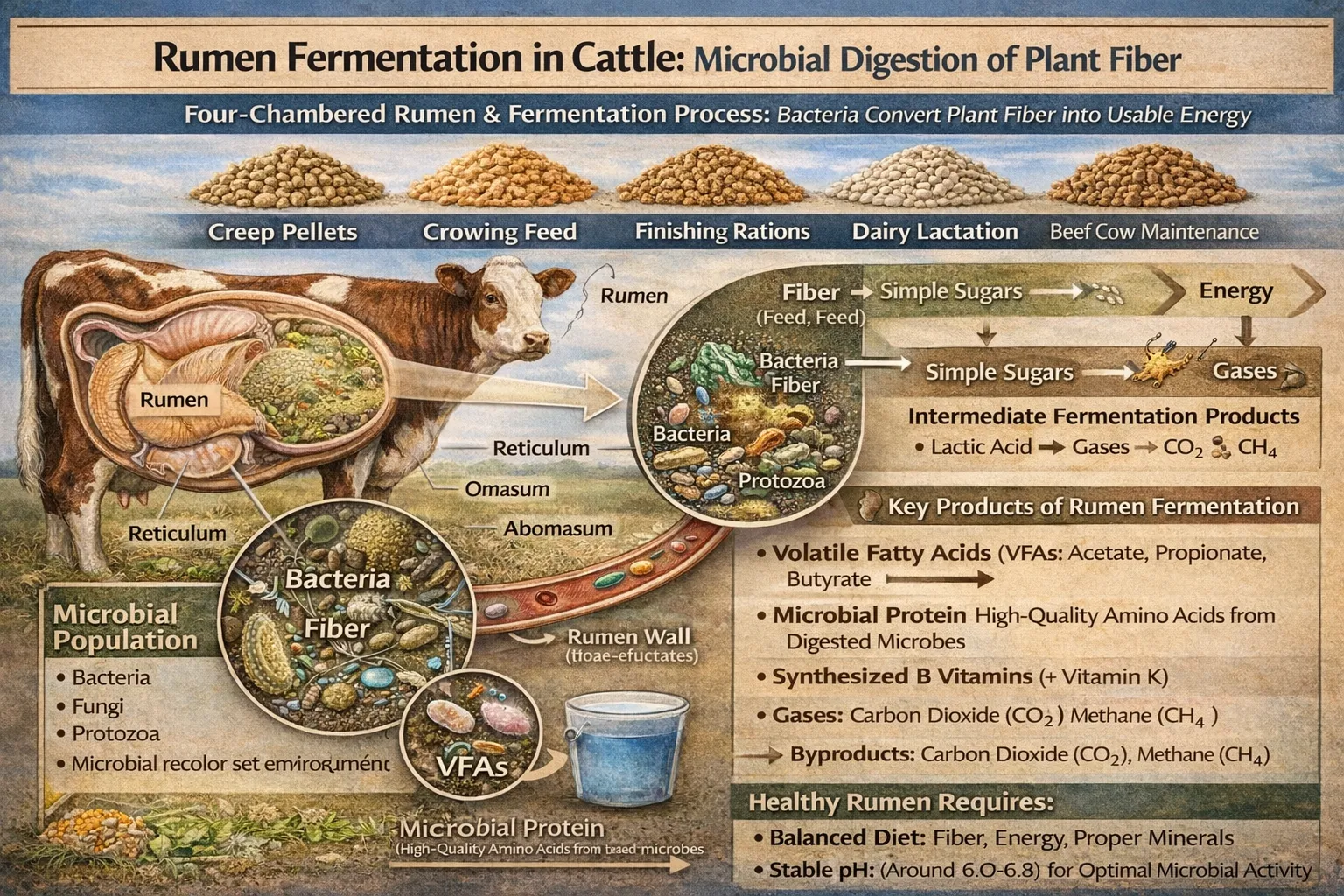
Liquid cattle feed represents one of the most scientifically-validated nutritional innovations in modern livestock production, fundamentally transforming how cattle digest forage and convert feed into productive outcomes. Whether managing beef herds on pasture, operating intensive dairy operations, or raising young stock, liquid feed supplements address a critical challenge: maximizing the efficiency of the rumen’s microbial ecosystem. This comprehensive guide explores the mechanisms underlying improved digestion, quantifies performance gains, and provides actionable implementation strategies for producers seeking competitive advantages in feed conversion efficiency and herd profitability.
What is Liquid Cattle Feed and How Does It Work?
Liquid cattle feed comprises molasses-based or glycerol-derived energy supplements formulated with protein, trace minerals, and specialized additives designed to enhance rumen fermentation efficiency. The foundational principle is elegantly simple: the rumen functions as a sophisticated fermentation system populated by billions of microorganisms-bacteria, protozoa, and fungi-that convert plant cellulose into volatile fatty acids (VFAs), which serve as the primary energy source for cattle. When these microbial populations lack adequate substrate, energy, or synchronized nitrogen, their digestive capacity becomes the limiting factor, not the animal’s inherent consumption capacity.
Traditional dry feeds deliver nutrients inconsistently throughout the day, creating fermentation imbalances as cattle selectively consume palatable concentrate portions before roughage. Liquid supplements fundamentally alter this dynamic by homogenizing ration consumption, ensuring microbial populations receive steady, balanced substrate for optimal growth and enzymatic activity.
The Rumen Fermentation Process
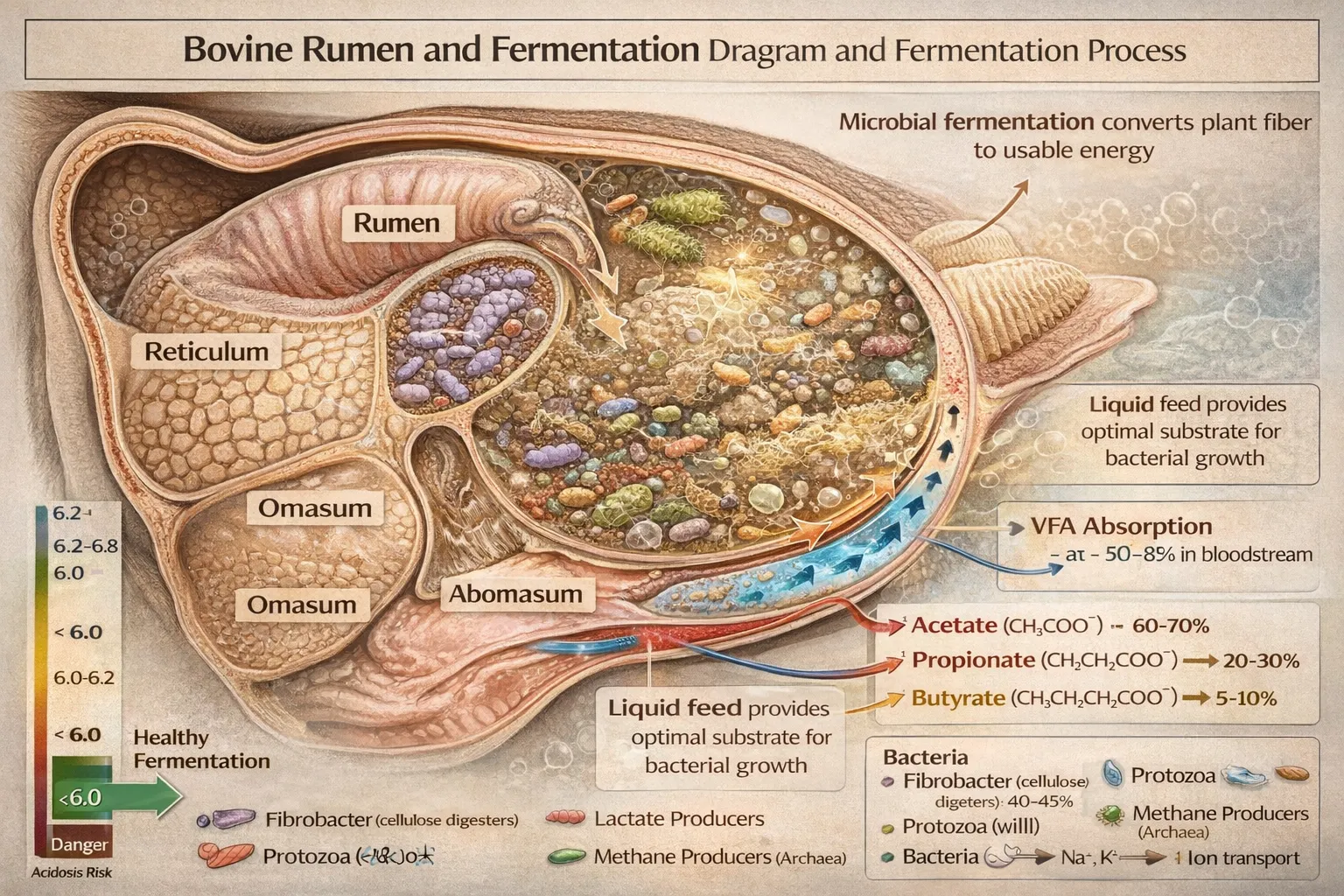
The rumen operates through a carefully balanced fermentation system where microbial populations convert dietary carbohydrates into three primary volatile fatty acids: acetate (approximately 60-70% of total VFAs), propionate (20-30%), and butyrate (5-10%). Each VFA plays distinct metabolic roles-acetate drives milk fat synthesis and body condition in dairy cows, propionate supports gluconeogenesis and energy availability, and butyrate stimulates rumen papillae development and epithelial health.
Rumen pH, typically ranging from 6.0-7.0, fundamentally determines microbial community structure and fermentation capacity. When pH drops below 6.0, cellulose-digesting bacteria (Fibrobacter and Ruminococcus species) experience selective inhibition, while lactate-producing bacteria proliferate, creating a pathological cycle toward sub-acute ruminal acidosis (SARA). Conversely, liquid supplements with appropriate sugar profiles stabilize rumen pH by promoting bicarbonate-dependent absorption mechanisms, which buffer volatile fatty acids more efficiently than other absorption pathways.
How Liquid Feed Improves Cattle Digestion: The Science
1. Enhanced Microbial Growth and Population Optimization
Liquid molasses-based feeds deliver rapidly fermentable carbohydrates (primarily glucose and sucrose) that stimulate explosive growth in fiber-digesting bacterial populations. Research from the Scottish Colleges and Irish research institutes demonstrated that molasses supplementation increases both microbial efficiency and microbial nitrogen utilization beyond that of starch supplementation alone.
The critical distinction lies in synchronization: when fermentable carbohydrates arrive synchronously with rumen-degradable protein (RDP), microbial growth efficiency (typically measured as grams of microbial crude protein per kilogram of dry matter truly digested) increases substantially. Liquid supplements, because they’re continuously available through lick tanks or TMR systems, establish steady-state fermentation conditions that optimize this synchronization. Under well-balanced dietary conditions, microbial protein contributes 50-60% of total metabolizable protein, representing a highly valuable, cost-effective protein source that requires no additional expense beyond base ration costs.
2. Increased Fiber Digestibility Through Rumen Efficiency
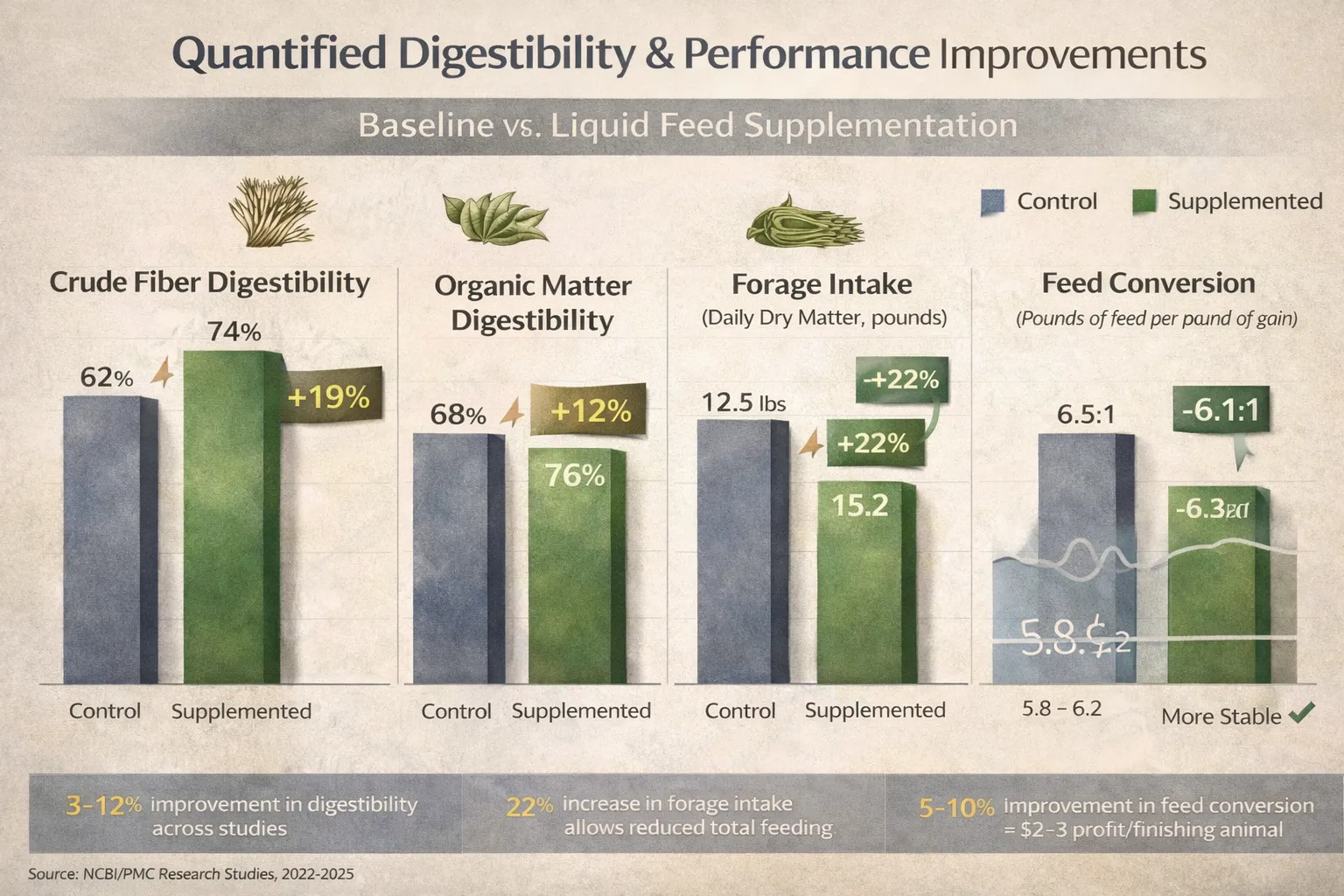
The single most significant production benefit from liquid feed supplementation manifests in quantifiable increases in fiber digestion. When cattle consume liquid molasses-based supplements, fiber-digesting bacterial populations receive optimal substrate for cellulase and hemicellulase enzyme production. Research publications consistently document 3.5-12.6% increases in crude fiber digestibility, with corresponding improvements in organic matter digestibility of 8-11%.
This improvement operates through multiple complementary mechanisms. First, increased microbial enzyme production directly enhances cell wall polysaccharide degradation. Second, higher microbial growth rates reduce rumen turnover time optimization, allowing extended plant material fermentation time. Third, the stimulated microbial population produces greater quantities of butyric acid, which strengthens rumen epithelial barrier function and enhances VFA absorption capacity.
Critically, these improvements occur without replacing forage-the sugar in liquid feed acts as a substrate provider, not a forage substitute. Cattle consuming equivalent forage quantities with and without liquid supplementation consume significantly more total dry matter when the liquid is present, because improved rumen efficiency reduces fill effects that normally limit intake.
3. Stabilization of Rumen pH and Prevention of Subacute Acidosis
Molasses-based liquid supplements stabilize rumen pH through two distinct mechanisms. First, the sugar component shifts volatile fatty acid production toward greater proportions of acetate and butyrate-both weaker acids than propionate and lactic acid. Second, the bicarbonate-dependent VFA absorption system operates more efficiently when rumen pH is stable and microbial populations maintain balanced fermentation profiles.
In practical terms, this pH stabilization prevents the performance-destroying consequences of subacute ruminal acidosis (SARA). Dairy cattle experiencing SARA demonstrate reduced dry matter intake (often declining by 10-20%), increased incidence of lameness due to lactic acid translocation and endotoxin absorption, elevated somatic cell count in milk, and reduced milk component percentages. By maintaining ruminal pH between 6.2-6.8 consistently, liquid supplements eliminate these productivity drains and support optimal production.
4. Enhanced Volatile Fatty Acid Absorption and Metabolic Efficiency
Beyond production increases, liquid supplements improve the rate and efficiency of volatile fatty acid absorption across the rumen wall. The rumen epithelium contains specialized absorption mechanisms, with approximately 50-85% of VFAs absorbed through the rumen-reticular wall and only 15-50% passing to distal digestive tract segments.
When fermentation is optimized through liquid supplementation, VFA concentrations and profiles improve, while simultaneously the rumen epithelium-stimulated by butyrate and other metabolic signals-upregulates absorption capacity through increased papillae development and transporter expression. This creates a synergistic improvement: more VFAs are produced per unit of forage consumed, and a higher proportion of those VFAs are absorbed in the rumen where they directly fuel metabolic processes.
Critical Benefits of Liquid Feed Supplementation
Increased Forage Utilization and Reduced Feed Waste
One of the most economically significant benefits emerges from improved forage utilization efficiency. Cattle fed liquid supplements consume available forage more completely and digest it more thoroughly, effectively increasing the nutritional value of existing pasture or stored forage resources. In practical terms, operations report that equivalent cattle gain can be achieved from pastures or hay supplies 15-25% lower in volume when liquid supplementation is employed.
This benefit proves particularly valuable during shoulder seasons (spring and fall transitions) when forage quality declines sharply. Rather than replacing declining forage quality with increased concentrate feeding-which increases costs and risks acidosis-liquid supplements maintain microbial populations capable of efficiently processing lower-quality forage. The sugars and nitrogen in liquid feeds essentially “unlock” digestible nutrients that would otherwise pass through the animal undigested.
Additionally, liquid supplements reduce physical feed waste in several ways. Unlike dry supplements that cattle sort, rejecting unpalatable particles, liquid molasses naturally binds fine particles together, promoting more uniform ration consumption. In total mixed ration (TMR) systems, this reduces sorting behavior that can depress total nutrient intake by 10-15% in some situations.
Superior Nutrient Absorption and Improved Body Condition Scores
Cattle consuming liquid supplements demonstrate measurable improvements in nutrient absorption efficiency across multiple mineral and vitamin categories. Research documents significantly higher retention of calcium (up to 55.7% improvement), phosphorus, copper, zinc, and selenium when supplemented with optimized liquid feeds compared to unsupplemented controls.
This enhanced absorption translates directly to improved body condition scores (BCS), particularly critical for beef cows and dairy cows in the transition period. Higher BCS at calving correlates with increased colostrum quality, improved fertility, enhanced disease resistance, and better calf vigor-each factor with quantifiable financial implications. Beef operations particularly benefit from the ability to maintain body condition on lower-forage-intake diets, reducing the total feed requirement per animal while improving herd reproduction rates.
Enhanced Immunity and Reduced Disease Incidence
The relationship between rumen health and systemic immune function operates through multiple pathways. When rumen fermentation is optimized, intestinal barrier function improves, reducing lipopolysaccharide (LPS) and other endotoxin translocation from the gastrointestinal tract into systemic circulation. Lower circulating endotoxin loads reduce chronic inflammatory status, allowing immune resources to focus on pathogen defense rather than managing systemic inflammation.
Additionally, specific volatile fatty acids produced during optimized fermentation-particularly butyrate-directly support immune cell development and function. Research in newly received feedlot cattle demonstrates that those consuming molasses-based liquid supplements show significantly lower serum haptoglobin and lipopolysaccharide binding protein (LBP) concentrations in the days following transport stress, indicating both reduced inflammatory burden and superior recovery capacity.
Increased Average Daily Gain and Feed Conversion Efficiency
Feed efficiency, measured as pounds of feed consumed per pound of gain, represents the primary cost driver in livestock production. Comprehensive research documents that supplementing cattle with liquid feeds improves feed conversion efficiency by 5-10% on average, with some studies reporting improvements reaching 12-15% under specific management conditions.
These improvements emerge from several complementary factors: improved digestibility of existing rations reduces the total feed requirement per unit of gain; enhanced forage utilization allows livestock to derive more energy from lower-quality feedstuffs; improved rumen stability reduces metabolic stress; and optimized microbial protein synthesis reduces the dietary requirement for expensive bypass protein sources.
Liquid Feed Supplementation for Different Cattle Types
Dairy Cattle and Lactating Cows
For lactating dairy cattle, liquid feed supplements deliver multiple overlapping benefits. First, the consistent rumen pH stability improves milk component percentages-particularly milk fat, which declines sharply when rumen pH drops below 6.0. Research documents milk fat depressions of 0.3-0.5 percentage points in dairy cattle experiencing subclinical acidosis, translating to significant revenue loss in high-volume operations.
Second, increased forage intake-driven by reduced rumen fill effects from improved fermentation-allows greater total dry matter consumption without increasing concentrate levels. In high-producing dairy cows, this proves critical for energy balance maintenance during peak lactation.
Third, the transition period (three weeks before through three weeks after calving) represents the most metabolically demanding phase for dairy cattle. Liquid supplement feeding during this period improves liver health markers, reduces ketosis incidence, and enhances fertility through better energy balance maintenance. Many operations employ liquid supplements specifically as a transition period management tool, justifying their use based solely on reduced metabolic disease incidence.
Beef Cattle and Cow-Calf Operations
Beef operations benefit from liquid feed supplementation through enhanced body condition maintenance on pasture, improved calf weaning weights, and superior feed efficiency in receiving and finishing phases. For cow-calf operations specifically, liquid supplements maintain maternal body condition on lower-quality forage, improving pregnancy rates and calf vigor while reducing total feed cost per weaning.
In suckling calves, liquid supplement access (in specially designed calf feeders) promotes efficient forage utilization before weaning, increasing preweaning gains by 0.3-0.5 pounds daily-a 20-35% improvement that partially carries forward post-weaning. This early digestive system training appears to provide lasting benefits for rumen microbiota succession and overall digestive efficiency.
Young Stock and Growing Cattle
Post-weaning growing cattle experience profound rumen functional development during the first 6-12 months. Liquid supplement feeding during this period promotes optimal microbial population establishment, with research indicating superior rumen fermentation capacity in animals grown on liquid-supplemented programs. These early developmental advantages appear to persist through finishing, with gains in final body composition and carcass quality sometimes observed.
Liquid Feed Composition and Ingredient Functions
Molasses: The Foundational Energy Source
Sugarcane or sugar beet molasses comprises the primary ingredient in most liquid supplements, providing rapidly fermentable carbohydrates, particularly glucose and sucrose. Molasses also contains minerals (potassium, magnesium, calcium) and trace minerals that contribute nutritionally. Importantly, molasses serves as a natural binder and palatability enhancer-cattle preferentially consume molasses-supplemented rations, which becomes particularly valuable when introducing cattle to new forages or supplements.
At appropriate dietary levels (typically 4-8% of ration dry matter), molasses demonstrates complementary rather than competitive effects with forage fermentation. At levels exceeding 20% of dry matter, molasses can increasingly suppress forage fermentation as rumen microbes preferentially ferment the readily available sugar rather than more complex plant cell wall polymers.

Crude Glycerol: Premium Energy Alternative
Biodiesel production generates crude glycerol as a byproduct-a dense energy source containing approximately 4.5 megacalories of digestible energy per kilogram. Research from major dairy nutrition programs demonstrates that 50:50 blends of molasses and crude glycerol enhance fiber digestion more effectively than molasses alone, particularly in hay-based diets. Glycerol’s metabolic pathway (conversion to glucose via gluconeogenesis) provides complementary energy to acetate-producing fermentation pathways, creating synergistic metabolic benefits.
Rumen-Degradable Protein (RDP) Components
Effective liquid supplements include controlled amounts of rumen-degradable protein-typically from sources like soybean meal or other legume-derived proteins. This RDP component serves multiple functions: it supplies nitrogen substrate for microbial growth synchronously with fermentable carbohydrate provision, preventing nitrogen limitation of microbial populations. In well-balanced supplements, RDP levels are calibrated to achieve optimal nitrogen:carbohydrate synchronization for microbial efficiency.
Trace Minerals and Vitamin Inclusion
Many commercial liquid supplements incorporate trace minerals (cobalt, copper, zinc, manganese, selenium) and fat-soluble vitamins (A, D, E). These components address deficiencies common in pasture-based systems, particularly during seasons when forage mineral concentrations decline. The liquid matrix allows efficient delivery and absorption of these micronutrients compared to dry mineral supplements that cattle often selectively consume.
Practical Implementation: Feeding Guidelines and Best Practices

Determining Optimal Supplementation Rates
Research consistently supports supplementation levels of 4-8 pounds per head daily for beef cattle on forage-based systems and 4-6 pounds per head daily in dairy TMR systems. These rates provide sufficient substrate for optimal microbial growth while maintaining complementary (rather than competitive) relationships with forage consumption.
Lower supplementation rates (2-3 pounds daily) produce detectable benefits but typically fail to maximize potential improvements. Higher rates (>10 pounds daily) begin demonstrating diminishing returns and may reduce forage intake through excessive fill effects or by providing substrate competition that depresses fiber fermentation.
The specific optimal rate varies based on forage quality: lower-quality forage (below 8% crude protein, above 65% neutral detergent fiber) benefits from higher supplementation rates, while high-quality forage or legume-based pastures may require lower rates to avoid excessive total protein intake.
Lick Tank vs. TMR System vs. Individual Animal Feeding
Three primary delivery mechanisms exist, each with distinct advantages. Lick tanks allow cattle 24/7 supplementation access at minimal labor cost, creating smooth rumen fermentation. However, consumption variability increases, with dominant animals potentially consuming disproportionate supplement while subordinates access insufficient quantities.
Total mixed ration (TMR) integration ensures uniform supplement distribution to all animals, particularly valuable in confined dairy settings where ration mixing occurs daily. TMR systems allow precise nutrient balancing and facilitate addition of specialized additives (ionophores, probiotics, etc.) that require careful dosing.
Individual animal feeding through hand-delivery or automated systems enables maximum precision, particularly valuable for transition period management in dairy cattle or for managing individual animals with specific health or performance requirements.
Seasonal Adjustments and Forage Quality Considerations
Supplementation rates should adjust seasonally based on available forage quality. During spring and summer when forage crude protein exceeds 10% and digestibility remains high, supplementation rates can decline toward the lower end of recommendations (4 pounds daily). Conversely, as forage quality declines in fall and winter, supplementation should increase toward 6-8 pounds daily to maintain microbial function on lower-quality substrate.
Hay-based wintering programs benefit from higher supplementation rates because harvested forage typically exhibits lower crude protein than growing pasture. Silage quality variations-common due to harvest timing, weather, and storage conditions-necessitate feed analysis and corresponding supplementation adjustments to maintain consistent rumen function.
Storage and Handling Best Practices
Liquid supplements require proper storage in sealed containers protected from temperature extremes. Molasses-based products stored in open conditions can absorb excessive moisture during humid periods or become difficult to handle in cold conditions. Most products maintain nutritional integrity for 12-24 months when properly stored, though fresher product typically provides superior palatability.
Contamination prevention requires regular cleaning of supplement delivery equipment, lick tanks, and TMR mixer components. Mold growth, bacterial colonization, and chemical contamination can compromise product safety and efficacy.
Cost-Benefit Analysis: Economic Case for Liquid Feed Supplementation
Feed Efficiency Gains and Profit Calculation
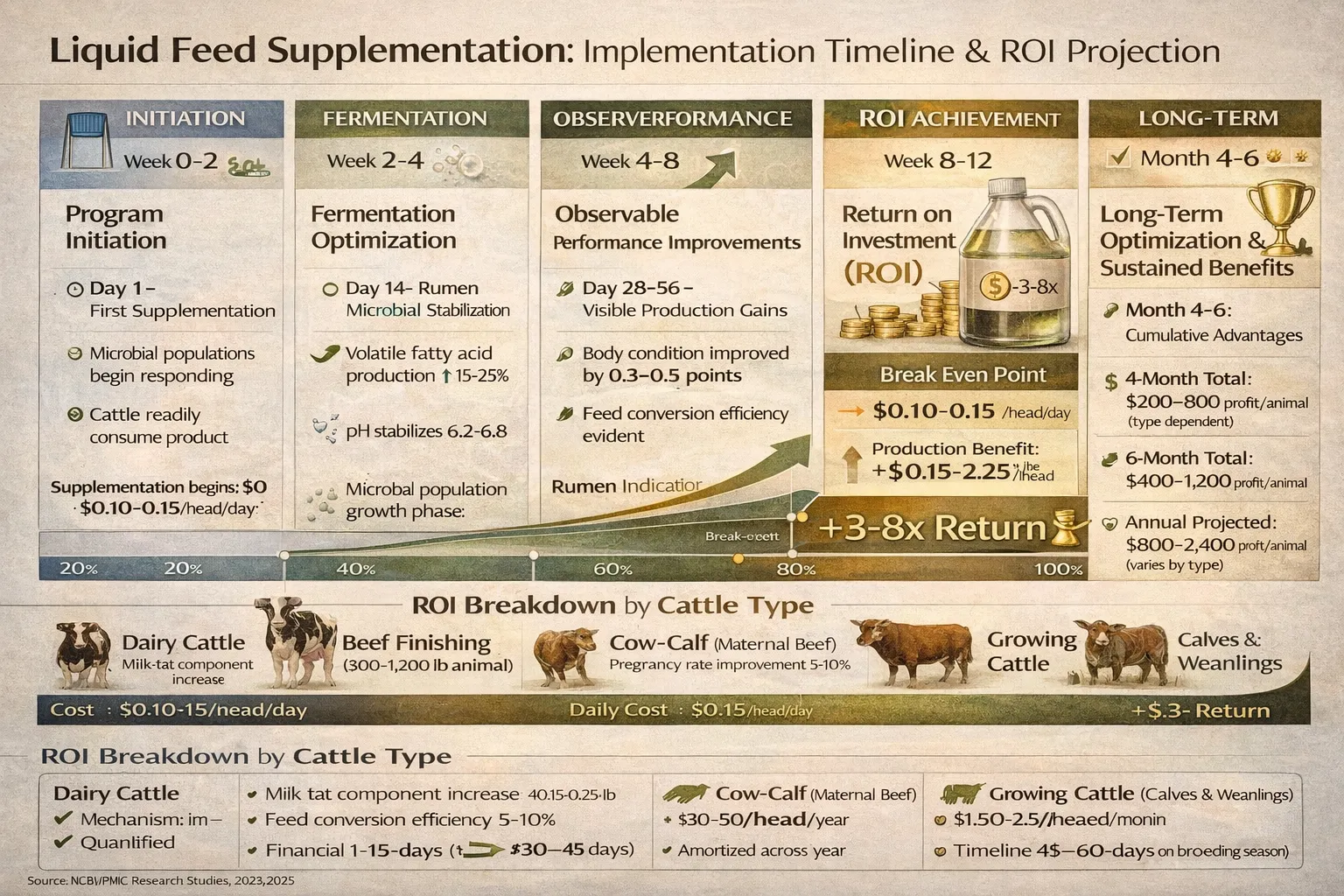
Assuming liquid supplement costs of $40-60 per ton (depending on region, market conditions, and specific formulation), and daily supplementation rates of 5 pounds per head, daily supplement cost ranges from $0.10-0.15 per head. For beef cattle achieving 5% improvements in feed efficiency, this translates to approximately $2-3 additional profit per head in finishing operations, where feed represents the primary cost component.
Dairy cattle supplementation demonstrates superior economics because improved milk component percentages (particularly milk fat) directly increase revenue. A 0.2-0.3 percentage point improvement in milk fat percentage on a 50-pound daily milk production translates to an additional 0.1-0.15 pounds of milk butterfat daily-approximately $0.15-0.25 additional revenue daily at typical fat pricing.
For cow-calf operations, the reproductive benefits prove equally or more valuable than production gains. Operations reporting 5-10% improvements in pregnancy rates through liquid supplementation achieve profitability improvements substantially exceeding the supplementation cost.
Return on Investment Timeframe
Typical supplement strategies demonstrate return on investment within 30-60 days of implementation, with cumulative benefits compounding over extended supplementation periods. The longest-term economics emerge from improved herd health and reproduction, which reduce replacement heifer requirements and associated costs.
FAQ: Comprehensive Answers to Producer Questions
What exactly does liquid cattle feed contain, and is it safe for all cattle types?
Liquid cattle feed is not a single product but a category of supplements formulated with molasses or glycerol as the primary energy source, combined with protein, minerals, vitamins, and sometimes specialized additives like probiotics or yeast. Most commercial formulations contain 35-50% crude carbohydrates, 8-15% crude protein, and 6-12% crude fiber. Mineral content varies widely by brand, but quality products include guaranteed levels of trace minerals like copper (30-50 ppm), zinc (200-400 ppm), and selenium (2-4 ppm).
Safety profiles are excellent across cattle types when products are formulated appropriately. Products designed for beef cattle should not be fed to dairy cattle without verification, as dairy-specific formulations include different vitamin ratios and often contain additives (like lysine balance optimization) specific to milk production demands. Growing calves, pregnant cows, lactating cattle, and finishing cattle can all safely consume appropriately formulated liquid supplements, though optimal formulations differ between categories.
Pregnant and lactating cattle derive particular benefits from liquid supplements because of superior nutrient absorption and rumen stability improvements. Young growing cattle benefit from early microbial population development advantages that appear to provide lasting digestive system benefits.
How long does it take to see digestive and performance improvements after starting liquid supplementation?
Rumen fermentation parameters-volatile fatty acid concentrations, rumen pH, ammonia nitrogen-respond within 2-7 days of consistent supplementation as microbial populations begin exponential growth. Observable performance improvements in body condition score, hair coat quality, and general health appearance typically manifest within 3-4 weeks as cumulative metabolic benefits accumulate.
Production metrics-milk yield improvements, weight gain acceleration, reproduction rate improvements-typically require 6-8 weeks to fully express, as these parameters are influenced by numerous additional factors and require time for systemic metabolic optimization. However, preliminary benefits in feed efficiency often appear within 2-3 weeks as improved digestibility reduces the total feed requirement per unit of production.
Critically, consistency of supplementation matters substantially. Sporadic supplementation provides minimal benefit, as rumen microbial populations require 7-10 days of consistent substrate to establish stable growth dynamics. Therefore, programs should prioritize uninterrupted supplementation access rather than supplementing irregularly.
Can liquid feed cause problems like bloat or acidosis if not managed correctly?
Improperly formulated or misapplied liquid supplements can contribute to both bloat and acidosis, though quality products administered at recommended rates rarely cause problems independently. Bloat risk increases primarily when excessive molasses supplementation combines with legume-dominant pasture and limited fiber intake.
Prevention requires three strategies: (1) maintain adequate effective fiber intake through quality hay or pasture; (2) limit legume-dominant grazing while supplementing with grass-based forage; and (3) use ionophores (particularly monensin) in concentrate-heavy supplementation programs. Most commercial bloat prevention programs employ monensin at 200 mg daily, which reduces bloat incidence by approximately 50-70% in high-risk situations.
Acidosis prevention depends on proper rumen pH stabilization, which quality liquid supplements facilitate through improved microbial efficiency and VFA profile optimization. However, extremely high supplementation rates (>10 pounds daily) combined with limited forage can occasionally suppress fiber fermentation, creating acidosis risk. Adherence to recommended supplementation levels (4-8 pounds daily) essentially eliminates this risk.
Animals should be gradually introduced to liquid supplementation over 7-10 days rather than receiving full supplementation immediately, allowing rumen microbial populations to adjust to the new substrate. This transition prevents the dramatic fermentation pattern shifts that could temporarily reduce pH stability.
What are the differences between molasses-based and glycerol-based liquid feeds, and which is superior?
Molasses-based supplements provide primarily glucose and sucrose fermentation substrates, producing predominantly acetate-yielding fermentation profiles. This drives milk fat synthesis effectively but provides moderate propionate (glucogenic) production. Cost-wise, molasses remains the most economical supplement option due to high availability and minimal processing requirements.
Glycerol-based supplements (often in 50:50 molasses-glycerol blends) provide glucogenic energy through a different metabolic pathway. Crude glycerol contains approximately 4.5 Mcal/kg of digestible energy compared to molasses at approximately 2.8-3.0 Mcal/kg, making glycerol more energy-dense. Research comparing these options in hay-based systems demonstrates superior fiber digestion with glycerol-supplemented programs, particularly when high-forage diets create greater energy demand.
For practical application, 50:50 blends often represent the optimal economic balance, providing glycerol’s metabolic benefits while maintaining molasses’s palatability and cost-effectiveness. However, for operations with specific production goals (maximizing milk composition in dairy, maximizing lean growth in beef), product selection should match the specific metabolic benefits desired.
How does liquid feed supplementation compare to expensive bypass protein sources, and can it reduce bypass protein requirements?
This question addresses one of the most economically significant supplementation decisions. Microbial protein, synthesized from liquid feed supplementation, typically costs $0.10-0.15 per pound of metabolizable protein delivered. Bypass protein sources-heat-treated soybean meal, fish meal, protected amino acids-cost $0.30-0.50 per pound of metabolizable protein delivered to the small intestine.
Quality liquid supplementation with proper nitrogen:carbohydrate synchronization can generate 50-60% of the cow’s total metabolizable protein requirements through microbial synthesis alone, at negligible cost beyond the base ration. This means bypass protein sources should be viewed as additions to-not replacements for-optimized microbial protein production.
The practical strategy involves first optimizing microbial protein production through liquid supplementation and balanced rumen nutrition, then adding bypass protein only for remaining requirements. High-producing dairy cows (>50 pounds milk daily) typically require modest bypass protein additions (2-3 pounds daily) after microbial protein is maximized. Moderate-producing cattle (35-45 pounds daily) often meet all requirements through optimized microbial synthesis alone.
Cost analysis frequently reveals that liquid supplementation reducing bypass protein requirements by 2-3 pounds daily creates positive economics-the $0.30-0.50/lb savings on bypass protein exceeds the supplementation cost while simultaneously improving overall rumen health and milk composition.
Are there quality differences between commercial liquid feed products, and how should producers evaluate them?
Significant product quality variations exist among commercial liquid feeds. Evaluation should focus on: (1) guaranteed analysis accuracy and consistency-quality products maintain ±5% variation in nutrient guarantees; (2) trace mineral inclusion at adequate levels (copper 30-50 ppm, zinc 200-400 ppm, selenium 2-4 ppm); (3) vitamin inclusion, particularly vitamin E (300-500 IU/kg); and (4) the presence of quality control certifications or third-party testing verification.
Products should contain clearly identified protein sources (soybean meal, canola meal) rather than generic “plant protein” declarations. The carbohydrate source should be specified (molasses, glycerol) rather than generic “energy source.” Products meeting these criteria, from established manufacturers with technical support capability, typically justify premium pricing through superior performance consistency.
Regional variation in product formulation matters significantly. Producers in areas with known mineral-deficient forage should prioritize supplements with enhanced trace mineral concentrations. Dairy-producing regions benefit from supplements optimized for milk component stability, while beef-producing regions may prioritize growth-promoting formulations.
What specific trace minerals does liquid feed provide, and do cattle need additional mineral supplementation?
Quality liquid supplements typically include cobalt, copper, manganese, selenium, and zinc, with occasional inclusion of chromium, boron, and other micronutrients. However, supplement mineral concentrations are often modest-designed to provide supplementary micronutrition, not complete mineral status achievement. Therefore, liquid supplementation typically complements rather than replaces comprehensive mineral programs.
Operations should conduct mineral status assessment (forage analysis, blood mineral testing) to identify specific deficiency areas, then select liquid supplements addressing those needs while maintaining separate mineral programs for remaining requirements. This coordinated approach prevents both deficiency and excessive mineral intake-the latter creating nutrient antagonism problems.
Common deficiencies in forage-based systems include copper, zinc, and selenium-elements where liquid supplements can meaningfully contribute to status improvement. Calcium, phosphorus, and magnesium typically require separate supplementation through mineral mixes or balanced concentrate programs.
How does liquid feed affect rumen microbiota populations and long-term digestive system health?
Liquid supplementation fundamentally alters rumen microbial community structure, shifting populations toward fiber-digesting bacteria (Fibrobacter, Ruminococcus) and away from pathogenic or inefficient species. This microbial rebalancing produces three measurable benefits: (1) improved digestibility of available feedstuffs; (2) reduced production of pathogenic metabolites (like lactic acid accumulation); and (3) enhanced production of beneficial compounds (short-chain fatty acids, vitamins).
Long-term supplementation creates persistent microbial population advantages that remain even when supplementation is temporarily interrupted, suggesting meaningful changes to rumen ecosystem stability and resilience. Animals raised on liquid-supplemented programs demonstrate superior rumen function and microbial metabolic capacity even after several months of supplementation discontinuation.
This suggests that early supplementation (in young stock or transition animals) may provide lasting digestive advantages extending beyond the supplementation period, making targeted early-life supplementation particularly cost-effective.
What is the relationship between liquid feed supplementation and methane production in cattle?
Ruminant methane production represents a primary driver of enteric greenhouse gas emissions and a metabolic energy loss (~12% of gross feed energy in cattle). Liquid supplementation’s effects on methane production operate through two pathways: (1) improved digestibility reduces the total amount of organic matter reaching the hindgut, where alternative fermentation producing methane occurs; (2) shifted microbial fermentation toward propionate-producing pathways reduces hydrogen availability for methanogenesis.
Research demonstrates that liquid-supplemented animals typically produce 5-8% less methane per unit of feed consumed, though effects vary based on forage type and baseline digestibility. Some studies using glycerol-supplemented programs report 8-12% methane reductions. These reductions contribute to improved feed efficiency-less energy is lost as methane, making more energy available for productive purposes.
This environmental benefit, increasingly important as environmental management becomes economically relevant, provides additional justification for supplementation programs beyond traditional production metrics.
What is the best timing for starting liquid supplementation relative to calving, growing periods, or seasonal transitions?
Transition period supplementation (three weeks before through three weeks after calving) represents the highest-priority implementation timing. During this metabolically critical period, liquid supplementation improves liver health, reduces ketosis and hypocalcemia, enhances immunity, and supports superior reproductive recovery. Even operations that supplement only during transition periods derive significant return on investment through reduced metabolic disease incidence.
For growing cattle, supplementation beginning at weaning and continuing through the first 6-12 months appears optimal, as this period encompasses critical rumen functional development. The microbial population advantages established during growth appear to persist, providing lifelong digestive system benefits.
Seasonal transition periods (spring to summer and fall to winter) represent secondary priority implementation timing. As forage quality shifts, supplementation stabilizes rumen function and prevents the production declines typically observed during dietary transitions. Many operations adjust supplementation rates seasonally while maintaining continuous supplementation rather than eliminating it completely.
For beef cattle on pasture, continuous year-round supplementation typically outperforms seasonal supplementation, though cost-conscious operations can achieve substantial benefits from targeted supplementation during high-priority periods (transition, weaning, poor-forage seasons).
Integrating Liquid Feed into Modern Cattle Management Systems
Liquid cattle feed represents far more than a commodity input or discretionary supplement-it constitutes a fundamental management tool addressing the most persistent constraint in ruminant production: rumen microbial ecosystem optimization. The scientific evidence, spanning multiple research institutions and commercial applications across diverse production systems, consistently demonstrates that properly formulated and applied liquid supplements deliver measurable, economically significant improvements in feed efficiency, production performance, animal health, and reproductive success.
The mechanisms underlying these improvements reflect sophisticated understanding of rumen fermentation physiology: microbial population growth responds to synchronized energy and nitrogen availability; volatile fatty acid production and absorption improve substantially when substrate quality and quantity are optimized; and systemic health improves through enhanced barrier function and reduced inflammatory burden.
For producers evaluating supplementation strategies, the evidence supports consideration of liquid supplementation as a foundational management tool, particularly for operations where feed efficiency, animal health, or reproductive performance remain suboptimal. The rapid return on investment-typically 30-60 days-combines with minimal adoption risk to justify pilot programs even in operations with current profitability.
Successful integration requires consistency (uninterrupted supplementation access), appropriate rate selection (4-8 pounds daily depending on forage quality), and quality product selection from manufacturers with transparent formulations and technical support capability. When these elements align, liquid supplementation delivers the documented benefits of improved digestion, enhanced production, superior health, and ultimately improved profitability that justify its position as an essential component of modern, efficient cattle production systems.