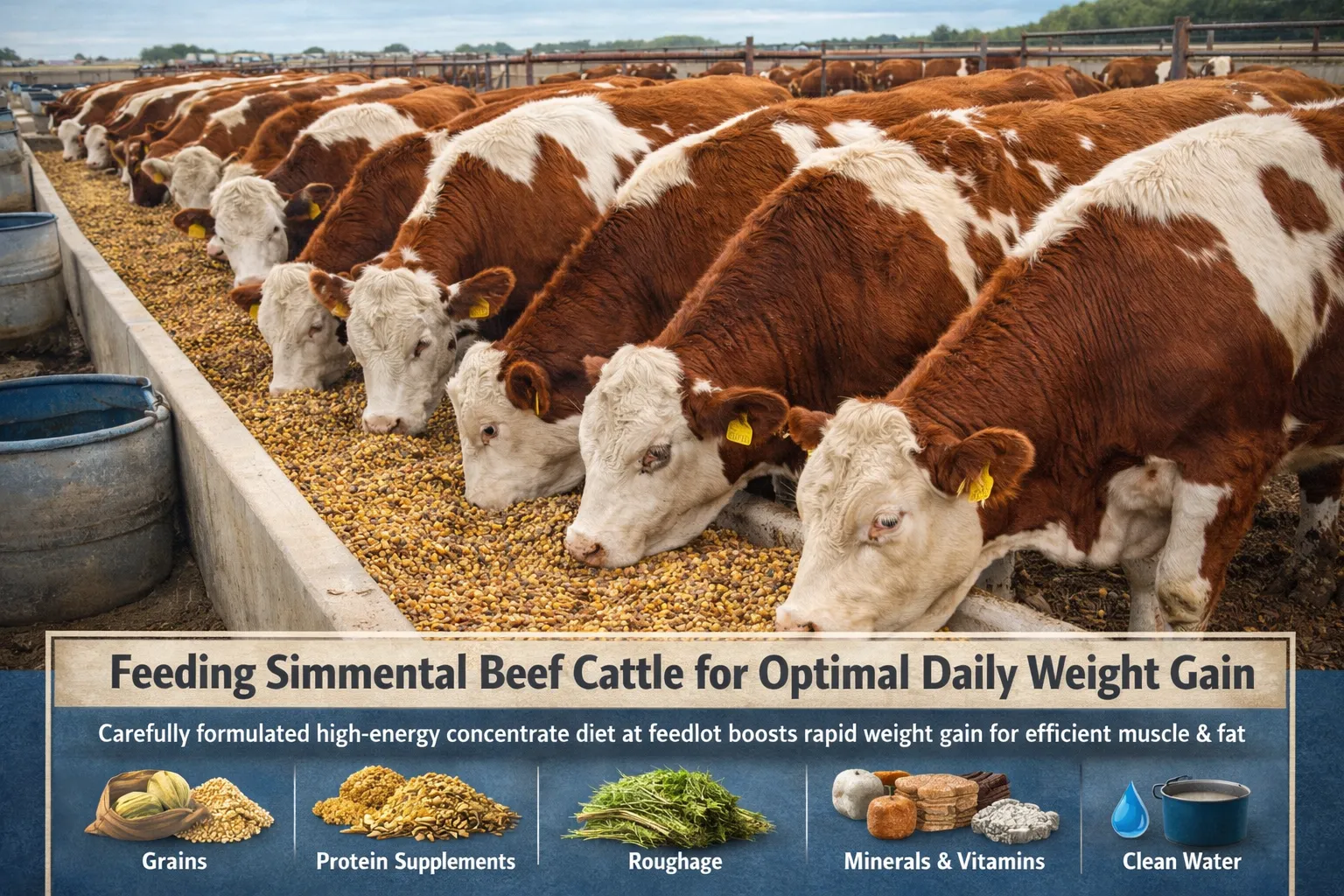
Achieving rapid weight gain in beef cattle requires a multifaceted nutritional strategy combining high-energy feeds, balanced proteins, essential minerals, and scientifically-formulated supplements. Cattle converting feed to bodyweight at optimal efficiency follow diets containing 11.5-12.5 megajoules of metabolisable energy per kilogram of dry matter, with carefully managed fiber content to maintain rumen health while maximizing concentrate intake. Research demonstrates that properly formulated rations increase average daily gain by 25% or more compared to inadequately balanced programs, directly improving profitability and reducing days to market weight. This comprehensive guide synthesizes cutting-edge nutritional science and industry best practices to help beef producers optimize growth performance while maintaining animal health and feed efficiency.
Understanding Feed Conversion Efficiency: The Foundation of Profitable Growth
Feed conversion ratio (FCR) represents the amount of feed required to produce one kilogram of body weight gain. For beef cattle, typical FCR ranges from 8:1 to 12:1, meaning cattle require eight to twelve kilograms of feed to gain one kilogram of bodyweight. Reducing this ratio even marginally significantly improves economic returns, as feed costs typically represent 60-70% of total beef production expenses.
Factors influencing feed conversion efficiency include:
- Cattle genetics and age (younger animals have lower FCR)
- Feed quality and ingredient composition
- Rumen health and digestive efficiency
- Stress levels and environmental conditions
- Individual animal metabolism differences (residual feed intake)
The relationship between dry matter intake (DMI) and weight gain is direct and measurable. Studies on Bali cattle demonstrated a correlation coefficient of 0.777 between DMI and body weight gain, confirming that optimizing feed intake optimization directly drives superior growth performance. However, simply increasing feed quantity without matching nutritional composition leads to wasteful overfeeding, excessive fat deposition, and potential digestive disorders such as ruminal acidosis.
High-Energy Feeds: The Core of Rapid Weight Gain Programs
Energy represents the most critical nutrient in finishing beef cattle diets. High-energy feeds provide the calories necessary for growth while reducing the total volume of feed required. Beef cattle fed high-concentrate, energy-dense diets grow faster, finish sooner, and produce heavier carcasses compared to forage-based programs.
Optimal Energy Sources for Finishing Cattle
Corn: The most economically viable high-energy grain in North America, corn provides readily available carbohydrates that are efficiently converted to bodyweight. When properly processed and gradually introduced, corn supports average daily gains of 1.5-2.0 kg in finishing cattle.
Barley: Offers slightly different fermentation characteristics than corn, with a faster fermentation rate. Barley suits cattle with adequate rumen adaptation, particularly in regions where availability and cost provide advantage over corn.
Sorghum & Other Alternatives: Sorghum grain provides energy comparable to corn with potentially lower risk of acidosis due to slower fermentation. Rice bran, wheat middlings, and distillers dried grains with solubles (DDGS) serve as cost-effective energy supplements while diversifying carbohydrate sources and reducing acidosis risk.
Supplemental Fats: Adding 3.5% supplemental yellow grease to finishing diets increased average daily gain by 4.6% and improved gain efficiency in both cattle and young calves, though fat should not exceed 6% of total dry matter intake to avoid depressing intake and fiber digestion.
Balancing Energy with Fiber Content
A critical mistake many producers make is excessive grain feeding without maintaining adequate physically effective fiber. Finishing diets should contain 10-12% long fiber (hay or straw) to stimulate rumination, maintain salivary buffer production, and promote rumen motility. Cattle fed high-concentrate diets at restricted intake (2.2% of bodyweight daily) demonstrated 35% better feed efficiency and greater activity levels compared to cattle fed traditional roughage-based diets ad libitum, suggesting that controlled energy feeding with appropriate fiber produces superior results to unlimited forage access.
Protein Supplementation: Building Muscle Without Compromise
While energy drives fast weight gain, protein builds the lean muscle tissue that determines carcass value. Growing beef cattle gaining 1.5-2.0 kg daily require approximately 1.6 kg of protein per day, with protein concentration in the diet typically ranging from 12-15% for finishing steers and 16% for bulls requiring greater muscle development.
High-Quality Protein Sources
Soybean Meal: The industry standard protein supplement, soybean meal contains 44-48% crude protein and provides an excellent amino acid profile for muscle development. It effectively replaces pasture-based protein sources and is widely available across North America.
Cottonseed Meal: Provides 36-40% crude protein with the added benefit of promoting chewing activity that increases salivation and enhances rumen pH stability-valuable when transitioning cattle to high-grain diets.
Distillers Dried Grains with Solubles (DDGS): A valuable byproduct that simultaneously provides energy and protein while reducing acidosis risk compared to straight grain feeding. Research demonstrates that DDGS can successfully replace soybean meal in supplements without compromising cattle performance or pasture productivity.
Alternative Protein Options: Alfalfa meal, fish meal, and canola meal each offer distinct advantages depending on regional availability and cost considerations. Chelated amino acid supplements may provide enhanced bioavailability in specific situations, though research generally supports conventional protein sources for standard finishing programs.
Critical timing note: Newly received cattle transitioning from pasture generally require more aggressive protein supplementation than previously adapted feedlot cattle. The combination of weaning stress, transportation, and dietary transition increases amino acid requirements for immune function and metabolic adaptation.
Feed Additives: Unlocking Hidden Gains Through Rumen Optimization
Modern research consistently demonstrates that scientifically-formulated feed additives deliver measurable return on investment when properly applied. These compounds work by optimizing rumen fermentation, enhancing fiber digestibility, stabilizing pH, and improving overall feed efficiency.
Yeast Culture & Probiotics: The Evidence
Yeast cultures, particularly Saccharomyces cerevisiae, have become standard in elite finishing programs due to robust scientific validation. A comprehensive study of Simmental beef cattle supplemented with 2% yeast culture for 60 days demonstrated significant improvements in average daily gain and reduced feed-to-weight ratio, with serum antioxidant capacity increasing substantially. The mechanism involves yeast creating favorable conditions for beneficial rumen bacteria, particularly those responsible for fiber digestion.
Documented benefits of yeast supplementation include:
- Average daily gain increase of 0.25 lbs (113 g) per day
- Feed conversion efficiency improvement of 5-10%
- Enhanced immune function markers (IgG, IgA, IgM)
- Improved antioxidant capacity and reduced oxidative stress
- Potential methane emission reduction (3.7-7.3%)
The research-proven formulation Actisaf® (5g/head/day) consistently delivers improvements with an estimated return on investment of 5:1 when supplemented throughout the finishing period.
Direct-Fed Microbials (DFM): Lactate-utilizing bacteria such as Megasphaera elsdenii NCIMB 41125 represent a newer category of probiotics specifically engineered to prevent subacute ruminal acidosis (SARA). Supplementing cattle with this strain during dietary transition phases increases ruminal pH, improves feed efficiency, and accelerates adaptation to high-grain diets. Recent research on Nellore bulls receiving this probiotic for the initial 42 days showed significantly higher final weight (+8.4 kg) and improved gain-to-feed ratio compared to controls.
Ionophores: Time-Tested Efficiency Enhancers
Monensin, the most widely used ionophore in North American feedlots, has decades of research supporting its efficacy. By selectively enhancing propionate production while reducing methane and lactate synthesis, monensin improves feed efficiency and reduces acidosis risk. Studies on yearling cattle grazing California annual rangelands demonstrated that monensin supplementation increased weight gain by 12%, comparable to mineral supplementation benefits.
The combination of monensin plus mineral supplementation (particularly selenium) delivered a synergistic 15% weight gain increase, indicating that feed additive benefits compound when combined with proper mineral nutrition.
Essential Oils & Botanical Compounds
Emerging research on Capsicum oleoresin (red pepper extract) showed quadratic improvements in average daily gain and linear decreases in feed-to-gain ratio at 8 g/day supplementation, with improvements in nutrient digestibility and protein apparent absorption. These compounds work through distinct mechanisms than traditional additives, offering alternative or complementary strategies for producers seeking diversified approaches.
Mineral and Vitamin Supplementation: Preventing Hidden Deficiencies
Inadequate mineral and vitamin intake creates performance ceilings that no amount of energy and protein can overcome. Deficiencies in copper, zinc, selenium, and manganese are remarkably common even in operations believing they provide adequate mineral nutrition, as bioavailability varies dramatically with feed composition and antagonistic mineral interactions.
Critical Minerals for Growth Performance
Selenium & Vitamin E: Work synergistically to prevent white muscle disease and maintain immune function. Free-choice mineral supplements should contain 27 ppm selenium with expected daily intake of 4 ounces per head for deficient regions. In known selenium-deficient areas, intramuscular injection of 25 mg selenium and 340 IU vitamin E approximately four weeks before entry to the feedlot provides additional insurance.
Copper: Essential for bone development, hair coat integrity, and immune function. Copper deficiency symptoms include rough hair coat and reduced weight gain. Proper supplementation ranges from 8-12 ppm in finished mineral mixes, though actual requirements vary with molybdenum and sulfur levels that bind copper, reducing availability.
Zinc & Manganese: Critical co-factors for over 300 metabolic enzymes. Zinc maintains skin integrity and immune function, while manganese supports bone formation and reproductive development. Organic (chelated) forms of these minerals demonstrate superior bioavailability compared to inorganic sources, justifying modest premium pricing.
Phosphorus & Calcium: The calcium-to-phosphorus ratio significantly influences mineral absorption. Ratios exceeding 3:1 calcium force excessive consumption to meet phosphorus requirements. For growing cattle, targeting 0.26% phosphorus is critical, particularly when low-quality forages comprise significant diet portions. Dicalcium phosphate simultaneously addresses calcium requirements while preventing deficiencies.
Magnesium: Particularly important during high-forage feeding periods and when potassium content of forages is elevated (lush spring pasture), as excess potassium reduces magnesium absorption and increases grass tetany risk. Magnesium oxide supplementation at 0.15-0.20% of diet dry matter provides insurance against this often-overlooked problem.
Vitamin A Supplementation Critical During Transition
Cattle transitioning from pasture to feedlots experience rapid depletion of liver vitamin A stores. Supplementing 30,000-40,000 IU vitamin A per head daily during the receiving period maintains immune function and accelerates adaptation to feedlot diets.
Formulating Balanced Rations for Maximum Efficiency
Nutritionally balanced total mixed rations (TMR) provide the foundation for consistent, high-performance cattle. Rather than rotating individual supplements, a balanced ration ensures every bite cattle consume provides optimal nutrient proportions.
Key Principles of Ration Formulation
Energy Density: Finishing diets should contain 1.30-1.40 Mcal net energy for gain (NEg) per kilogram dry matter for optimal growth. Growth-phase cattle require slightly lower energy (0.99-1.10 Mcal NEg/kg DM).
Crude Protein Concentration: Finishing steers require 12-13% crude protein, while younger growing cattle need 14-16%. Bulls should receive 15-16% protein to support greater muscular development.
Fiber Management: Rations must contain adequate neutral detergent fiber (NDF) to maintain rumen function. Increasing dietary NDF concentration by 1% increases dry matter intake by 0.11 kg/day in feedlot cattle while potentially reducing average daily gain and feed efficiency.
Substitution Rate: When supplementing forage with grain concentrates, each kilogram of concentrate dry matter reduces forage intake by 0.5-0.9 kg, depending on silage digestibility. High-digestibility silages (70%+ dry matter digestibility) exhibit lower substitution rates, allowing greater concentrate supplementation without depressing forage intake.
Practical Ration Examples
Growth Phase (300-450 kg): Grass silage 8-10 kg/head daily + 4-6 kg concentrate provides approximately 0.8-1.0 kg daily gain. Concentrate should contain 14-16% crude protein and 1.10 Mcal NEg/kg DM.
Finishing Phase (450+ kg): Grass silage 5-7 kg/head daily + 8-10 kg concentrate delivers 1.5-2.0 kg daily gain. Concentrate should contain 12-14% crude protein and 1.30-1.40 Mcal NEg/kg DM.
High-Intensity Finishing: Ad libitum concentrate (9-11 kg/day) + 1.5-2.0 kg forage produces maximum gains (2.0-2.5 kg/day) but requires careful transition (2-4 weeks minimum) and enhanced acidosis prevention strategies.
Preventing Ruminal Acidosis: The Transition Protocol That Works
Ruminal acidosis represents the most common metabolic disorder in finishing cattle, caused by excessive volatile fatty acid production and pH depression below 5.5. Prevention requires systematic dietary transition rather than abrupt changes.
The Science of Safe Transitions
When cattle are abruptly switched to high-grain diets, grain-fermenting bacteria proliferate before lactate-utilizing bacteria can adapt. This imbalance produces lactic acid, dropping rumen pH below the survival threshold for beneficial cellulolytic bacteria while creating a favorable environment for pathogenic species. The result manifests as reduced feed intake, digestive upset, lower weight gains, and in severe cases, acute acidosis with potential fatality.
Strategic transition management includes:
- Duration: Minimum 21-28 days for proper adaptation, with optimal protocols extending 3-4 weeks. Cattle limit-fed high-energy diets for 3-4 weeks showed superior adaptation compared to rapid-transition protocols.
- Gradual Grain Introduction: Begin at 20-30% concentrate (80-70% forage dry matter basis) in week one, increase to 40-50% in week two, 60-70% in week three, and achieve full finishing diet by week four. Monitor feed intake and fecal consistency throughout.
- Fiber Retention: Maintain at least 8-10% long forage even in high-concentrate finishing diets. Cattle consuming sufficient fiber show greater salivary buffer production and superior rumen pH stability.
- Feeding Frequency: More frequent feeding (3+ times daily) reduces per-meal grain intake and associated pH decline. Once-daily feeding of high-grain diets dramatically increases acidosis risk compared to more frequent feeding schedules.
- Buffer Supplementation: Sodium bicarbonate (baking soda) at 75-150 g/head daily enhances rumen buffering capacity when combined with adequate fiber. Magnesium oxide at similar doses provides additional buffering while supplementing deficient magnesium.
When to Use Direct-Fed Microbials for Acidosis Prevention
Megasphaera elsdenii NCIMB 41125 offers a particularly valuable strategy for high-risk cattle (newly arrived, lightweight calves, stressed animals). Supplementing at 10^10 CFU per head daily for 3-4 weeks accelerates adaptation by rapidly establishing lactate-utilizing bacteria that otherwise take weeks to develop. This may allow shortened transition periods-potentially reducing days in transition by 1-2 weeks without increasing acidosis incidence.
Common Mistakes: What’s Sabotaging Your Weight Gain Program
Mistake 1: Poor Transition Management
Many producers attempt to move cattle from forage to finishing rations in fewer than 14 days, creating the exact conditions promoting acidosis. Even with probiotic supplementation, 2-3 weeks minimum allows sufficient time for ruminal bacterial adaptation and epithelial changes that enhance short-chain fatty acid absorption.
Mistake 2: Ignoring Forage Quality
Low-quality hay or silage creates an indigestible “ballast” that reduces concentrate intake and depresses growth performance. Forage quality assessed by dry matter digestibility (DMD) directly correlates with cattle performance. Each 1% increase in grass silage DMD increases carcass gain by 21-29 g/day in cattle supplemented with concentrates.
Mistake 3: Inadequate Mineral Supplementation
Assuming natural feeds contain sufficient minerals inevitably leads to performance limitations. Trace mineral deficiencies develop subtly, manifesting as stubborn refusal to gain weight despite apparently balanced rations. Copper deficiency, for example, causes reduced weight gain and poor hair coat 2-3 months before obvious clinical signs appear.
Mistake 4: Overfeeding Without Protein Balance
Providing excess energy without matching protein requirements produces excessive fat deposition, poor feed efficiency, and wasted feed costs. Proper energy-to-protein ratios (measured as Mcal NEg per percentage point of crude protein) ensure balanced growth of muscle and supporting tissues.
Mistake 5: Inconsistent Feeding Management
Cattle require consistent feed schedules. Irregular feeding times, feed sorting due to poor mixing, or variable ration composition create stress and reduce intake. Mixing errors exceeding ±30 pounds per load create both ingredient excesses and deficiencies that compromise individual animal performance.
Mistake 6: Neglecting Environmental Stress
Cold, wet, muddy conditions dramatically increase cattle energy requirements-potentially raising maintenance energy by 20-30%. Conversely, heat stress reduces feed intake. Failing to adjust rations seasonally or provide adequate shelter undercuts performance potential regardless of other management excellence.
Mistake 7: Starting Light-Weight Cattle on High-Grain Diets
Young, recently-weaned, or chronically light calves lack rumen capacity and microbial adaptation for high-grain finishing diets. These animals require extended growing phases with moderate energy (0.99-1.10 Mcal NEg/kg) before transition to finishing rations.
Grass-Fed vs. Grain-Finished: Understanding Production Strategies and Nutrition
Growth Rate & Days to Finish
Grain-finished cattle reach market weight significantly faster than grass-fed animals due to energy density of grain diets. Cattle fed ad libitum high-grain diets gain 1.8-2.3 kg daily, compared to 0.8-1.2 kg daily on grass-based programs. This translates to finishing 600-700 lb calves in 150-200 days on grain versus 300-400+ days on grass alone.
Feed Conversion Ratio Comparison: Grain-finished cattle demonstrate superior feed efficiency (FCR 7.5-8.5) compared to grass-fed or mixed-diet programs (FCR 8.5-9.5), reflecting the superior digestibility and energy density of grain. This efficiency advantage becomes economically critical when feed costs exceed forage availability or quality challenges.
Carcass Composition & Meat Quality
Grain-fed cattle produce heavier carcasses with greater intramuscular marbling, commanding premium pricing at commercial processing facilities. The rapid weight gain produces steers with greater ribeye muscle area and superior marbling scores (USDA Prime vs. Select grades).
Conversely, grass-fed programs produce leaner carcasses with lower fat percentages. While some consumers perceive grass-fed as “healthier,” grain-fed beef provides superior cooking properties (greater margin for error) and more consistent eating experience due to stable marbling.
Nutritional Profile Differences
Grass-fed cattle produce beef with:
- Higher omega-3 polyunsaturated fatty acids (2-3x greater concentration)
- Elevated conjugated linoleic acid (CLA) content
- Superior vitamin E and antioxidant levels
- Favorable n-6:n-3 fatty acid ratio (1.5:1 vs. 7.6:1 in grain-fed)
- Elevated phytochemical compounds from diverse forage consumption
Grain-finished cattle produce beef with:
- Higher total intramuscular fat (superior marbling)
- Greater availability of B vitamins (through fortification)
- Elevated monounsaturated fatty acids
- More consistent marbling and tenderness
- Enhanced flavor development and palatability
The reality is that both production systems can deliver excellent nutrition when managed properly. The choice should reflect market requirements, available resources, and production philosophy rather than perceived nutritional superiority of either approach.
Maximizing Growth Through Advanced Supplementation Strategies
Vitamin D3 Supplementation
Recent research on 25-hydroxyvitamin D3 supplementation in finishing beef cattle showed quadratic increases in dressing percentage and tendencies toward greater ribeye muscle area with 3 mg/animal/day supplementation. This represents an emerging opportunity to improve carcass quality metrics through precise vitamin D management, particularly relevant for cattle finishing during winter months when sunlight exposure is limited.
Rumen-Protected Choline
Receiving beef cattle supplemented with rumen-protected choline at 20-60 g/day for 21 days showed improved growth performance during the critical receiving phase, with dose-response relationships suggesting optimal performance near 40 g/day. The mechanism involves enhanced liver function and metabolic efficiency during high-stress periods.
Personalized Feeding Based on Genetics
Emerging evidence suggests that genetic variations in CYP3A4 and PLB1 genes influence feed efficiency independent of body size. Cattle carrying favorable alleles at these loci achieved superior growth on reduced feed intake while simultaneously expressing greater immune resilience. As genetic testing becomes more accessible, identifying high-efficiency cattle early enables preferential retention and higher genetic merit for feed conversion.
Calculating Feed Requirements: Practical Examples
Example 1: 400 kg Steer Gaining 1.5 kg Daily
Requirement calculation:
- Maintenance energy: ~26 Mcal metabolizable energy (ME) daily
- Growth requirement (1.5 kg gain): ~6 Mcal ME daily
- Total requirement: ~32 Mcal ME daily
Feed formulation:
- Grass silage (70% DMD): 8 kg fresh weight = 2.4 kg DM = ~10 Mcal ME
- Finishing concentrate (1.35 Mcal NEg/kg): 6 kg DM = ~8.1 Mcal NEg (approximately 20 Mcal ME equivalent)
- Mineral/vitamin supplement: 0.3 kg
- Total daily intake: 8.7 kg dry matter, supplying estimated 32+ Mcal ME
Example 2: 550 kg Finishing Steer at Target 2.0 kg Daily Gain
Requirement calculation:
- Maintenance energy: ~30 Mcal ME daily
- Growth requirement (2.0 kg gain): ~8 Mcal ME daily
- Total requirement: ~38 Mcal ME daily
Feed formulation:
- Grass silage (70% DMD): 6 kg DM = ~8 Mcal ME
- High-energy concentrate (1.40 Mcal NEg/kg): 8 kg DM = ~11.2 Mcal NEg (≈28 Mcal ME equivalent)
- Mineral/vitamin supplement: 0.4 kg
- Total daily intake: 14.4 kg dry matter DM, supplying estimated 38+ Mcal ME
These calculations emphasize the importance of accurate feed analysis and ration balancing-rough estimates consistently underperform actual requirements, explaining why some cattle fail to gain despite apparently “reasonable” feeding programs.
FAQ: Answering the Most Important Questions About Beef Cattle Feeding
Q1: What is the single best feed for rapid cattle weight gain?
A: No single feed drives weight gain-the combination matters. High-energy grains (corn, barley) provide rapid fermentable energy, but without adequate fiber (10-12% forage), cattle develop acidosis. Protein-rich supplements (soybean meal, DDGS) enable muscle growth but provide insufficient energy alone. Scientifically, the best “feed” is a properly formulated total mixed ration (TMR) providing:
- 1.30-1.40 Mcal NEg per kg dry matter (for finishing cattle)
- 12-14% crude protein
- 10-12% physically effective fiber
- Balanced minerals and vitamins
- Appropriate feed additives (probiotics, monensin)
This combination typically produces 1.5-2.0 kg daily gains with feed conversion ratios of 7.5-8.5.
Q2: How much feed should cattle eat daily for maximum growth?
A: The “magic number” is 2-4% of bodyweight in dry matter daily. A 450 kg steer should consume 9-18 kg dry matter:
- Lower end (9 kg) maintains modest gains but high feed efficiency (roughage-based systems)
- Mid-range (12 kg) produces optimal growth (1.5-1.8 kg/day) with good efficiency
- Upper end (18 kg) maximizes gain (2.0+ kg/day) but sacrifices some feed efficiency
Cattle voluntarily consume more energy-dense feeds, so high-concentrate rations often achieve near-maximum intake (~13-15 kg DM) naturally. Monitor body condition-cattle should have visible backbone but not sunken flanks.
Q3: What does a good feed conversion ratio (FCR) look like, and how is it calculated?
A: Feed conversion ratio = Total feed consumed (dry matter basis) ÷ Total weight gained
Example: If cattle consume 5,500 kg dry matter feed and gain 700 kg over 100 days:
FCR = 5,500 ÷ 700 = 7.86
Benchmark FCR values for beef cattle:
- Excellent: 6.5-7.5 (high-input finishing, optimal genetics)
- Good: 7.5-8.5 (typical feedlot cattle on well-managed rations)
- Average: 8.5-10.0 (grass-based or less intensive programs)
- Poor: >10.0 (indicates suboptimal feed quality, health issues, or management problems)
Factors improving FCR:
- Increased diet energy density (+1% energy typically improves FCR by 2-3%)
- Probiotic supplementation (+5-10% improvement)
- Improved forage quality (+1% digestibility increases carcass gain 21-29 g/day)
- Reduced stress and illness
- Optimal finishing duration (slaughter too early or too late wastes feed)
Q4: Which minerals are most likely to be deficient, and how should they be supplemented?
A: Selenium, copper, zinc, and cobalt are chronically deficient in many regions:
| Mineral | Deficiency Signs | Supplementation Rate | Source |
|---|---|---|---|
| Selenium | White muscle disease, poor hair coat | 27 ppm in mineral mix (4 oz/day) | Sodium selenite or selenate |
| Copper | Rough hair, poor growth, anemia | 8-12 ppm in concentrate | Copper sulfate or chelated Cu |
| Zinc | Rough hair, poor wound healing | 40-60 ppm in concentrate | Zinc sulfate or chelated Zn |
| Cobalt | Loss of appetite, reduced growth | 10 ppm in mineral mix | Cobalt chloride |
| Vitamin E | Muscle degeneration (with Se) | 25-30 IU/lb feed | DL-alpha tocopherol |
| Vitamin A | Night blindness, infections | 30,000-40,000 IU/day | Retinyl acetate or palmitate |
Best practice: Use a professionally formulated free-choice mineral supplement containing all critical macro- and trace minerals rather than attempting individual supplementation. Chelated (organic) forms of Cu, Zn, and Mn cost 20-30% more but provide superior bioavailability, often justifying the premium cost.
Q5: What’s the best way to transition cattle from grass to a high-grain finishing diet?
A: Never rush this process. The safest protocol requires 3-4 weeks minimum, following this timeline:
Week 1 (Days 1-7): 25% concentrate, 75% forage
- Concentrate at 2-3 kg/head/day
- Monitor: Any cattle off-feed require immediate diet reduction
Week 2 (Days 8-14): 40% concentrate, 60% forage
- Concentrate at 4-5 kg/head/day
- Increase slowly if cattle remain healthy and rumen-active
Week 3 (Days 15-21): 60% concentrate, 40% forage
- Concentrate at 6-7 kg/head/day
- Closely observe for acidosis signs (loose stool, reduced feed intake, arched back posture)
Week 4+ (Days 22+): 75-85% concentrate, 15-25% forage
- Concentrate at 8-10 kg/head/day
- Achieve target 2.0+ kg daily gain
Accelerated option (with additional risk): If using direct-fed microbials (Megasphaera elsdenii), the transition period may be shortened by 1-2 weeks while maintaining acidosis risk at acceptable levels. Begin supplementation on day 1 at 10^10 CFU/head/day and maintain for 3-4 weeks minimum.
Q6: Should I use probiotics and yeast culture? What’s the return on investment?
A: Yes, IF you’re using a research-backed product and implementing transition/receiving protocols correctly. Studies on Actisaf® (yeast probiotic) demonstrate:
- $0.25-0.50 additional daily gain per head
- 5-10% improvement in feed efficiency
- 5:1 return on investment at typical feedlot prices
Cost-benefit analysis:
- Typical supplementation cost: $0.20-0.40 per head per day
- Feed cost saved through improved FCR: $0.30-0.60 per head per day
- Additional gain value: $0.40-0.80 per head per day
- Net benefit: Highly positive for most operations
Important caveat: Benefits depend entirely on proper implementation. Yeast cultures cannot overcome poor transition protocols, contaminated feedstuffs, or inadequate forage quality. They optimize existing programs-they don’t substitute for fundamental nutritional management excellence.
Q7: What’s the difference between grass-fed and grain-finished beef in terms of growth rates and nutritional value?
A:
| Factor | Grass-Fed | Grain-Finished |
|---|---|---|
| Days to market weight | 400-600 days | 150-250 days |
| Average daily gain | 0.8-1.2 kg | 1.5-2.3 kg |
| Feed conversion ratio | 8.5-12.0 | 7.5-8.5 |
| Final carcass weight | Lower (250-320 kg) | Higher (300-380 kg) |
| Intramuscular fat (marbling) | Minimal (low prime/high select grade) | Abundant (prime grade) |
| Omega-3 PUFA | 2-3x higher | Lower |
| Omega-6:Omega-3 ratio | ~1.5:1 | ~7.6:1 |
| Conjugated linoleic acid | Higher | Lower |
| B vitamins | Higher naturally | Similar (via fortification) |
| Total fat content | Lower | Higher |
| Cost to produce | Higher (extended timeline) | Lower (rapid growth) |
The bottom line: Both systems produce nutritious beef. Grass-fed suits premium or specialty markets with buyers valuing omega-3 content and pasture-based philosophy. Grain-finished delivers superior feed efficiency, faster throughput, and consistent eating experience. The “better” system depends entirely on market requirements and producer values.
Q8: How do I calculate the exact protein requirement for my cattle?
A: Protein requirements depend on three factors: current bodyweight, desired daily gain, and age/genetics.
Formula: Daily Protein Requirement (g) = (0.65 × Current BW^0.75) + (200 × Daily Gain)
Example for 400 kg steer gaining 1.5 kg daily:
- Maintenance: 0.65 × (400^0.75) = 0.65 × 89.5 = 58.2 g protein per kg BW^0.75 = 170 g daily
- Growth: 200 × 1.5 = 300 g daily
- Total requirement: 470 g crude protein daily
With 12 kg dry matter intake, diet should contain: 470 ÷ 120 = 3.9% crude protein minimum
However, most finishing rations contain 12-14% crude protein to account for palatability, amino acid balance, and physiological efficiency losses. The 3.9% calculation represents minimum; practical formulations typically exceed theoretical minimums by 10-30% to ensure adequate intake for all cattle in the group.
Q9: What are the early warning signs of ruminal acidosis, and how should I respond?
A: Ruminal acidosis develops in phases, and recognizing early signs allows intervention before performance crashes:
Subacute Ruminal Acidosis (SARA) Signs:
- Reduced feed intake (cattle not cleaning bunks)
- Loose/pasty manure consistency
- Cattle spending less time ruminating
- Occasional “humped-up” posture (discomfort)
- Reduced water intake
Response to Early Signs:
- Immediately reduce grain intake by 20-25% (return to previous week’s feeding level)
- Increase physically effective fiber (add longer hay)
- Supplement buffer (sodium bicarbonate at 100 g/head/day)
- Ensure adequate water availability and quality
- Consider direct-fed microbial supplementation
- Resume grain increase only after 5-7 days of normalized intake and fecal consistency
Acute Acidosis Signs (Emergency):
- Complete anorexia (refusal to eat)
- Severe diarrhea
- Dehydration, sunken eyes
- Neurological signs (stumbling, lack of coordination)
- Lameness or founder signs
Response to acute acidosis: This is a veterinary emergency requiring immediate professional intervention. Prevention through proper transition protocol is infinitely superior to treatment.
Q10: How much does a complete mineral and vitamin program cost, and is it worth it?
A: A comprehensive free-choice mineral supplement program costs approximately $30-55 per head annually, depending on ingredient quality and local prices.
Budget breakdown:
- Free-choice mineral (4 oz/head/day at ~$0.50/lb): $12-15 annually
- Vitamin A supplementation (receiving period): $3-5
- Organic trace mineral premium over inorganic: $5-10
- Occasional deficiency corrections: $5-10
- Total: $25-40 per head per year
Return on investment:
- Selenium deficiency costs 10-15% weight gain reduction (~15 kg over finishing period) = -$45-60 per head
- Copper deficiency costs 5-10% weight gain reduction = -$30-40 per head
- Adequate mineral program improves weight gain 2-5% = +$20-50 per head
- Improved reproduction and health = +$30-50 per head over cattle lifetime
Economic verdict: A $40/head investment preventing even one mineral deficiency per 10-20 cattle pays for itself many times over. Professional consultation with a veterinary nutritionist to identify region-specific deficiency risks is one of the highest-ROI management investments possible.
Implementing Your Complete Weight Gain Program
Rapid beef cattle weight gain requires integration of multiple complementary strategies: energy-dense feeds, balanced protein, essential minerals and vitamins, scientifically-formulated additives, careful transition protocols, and consistent management execution. No single intervention guarantees success; rather, excellence emerges from systematic attention to nutrition fundamentals combined with facility management, health monitoring, and data-driven decision-making.
The difference between successful operations achieving 1.8-2.2 kg daily gains with 7.5-8.5 feed conversion ratios and struggling operations averaging 1.3 kg daily gains with 9.5+ FCR rarely reflects feed cost differences. Instead, superior performance reflects superior understanding of cattle nutrition, commitment to proper transition protocols, and willingness to invest modest additional resources in feed quality and supplementation that yield returns far exceeding their cost.
Start with the fundamentals: ensure forage quality, transition diets systematically over 3-4 weeks, implement basic mineral supplementation addressing identified regional deficiencies, and monitor feedlot cattle continuously for early signs of digestive upset. Once these foundations are solidified, layer in performance-enhancing additives and more sophisticated nutritional management. The cattle will respond with weights that validate the investment.
References
Frontiers in Veterinary Science – Feed-grade urea and urease inhibitor effects on beef cattle growth
Frontiers in Veterinary Science – Yeast culture effects on Simmental beef cattle growth
Journal of Tropical Production Science – Dry matter intake correlation with body weight gain in Bali cattle
E-Journal UNAIR – Tofu dregs and rice waste effects on beef cattle weight gain
MDPI Nutrients – Capsicum oleoresin effects on beef cattle growth performance
MDPI Animals – Water efficiency in beef cattle under intensive production
MDPI Animals – Dietary fiber relationships with feedlot growth performance
Journal of Animal Science – Vitamin D3 supplementation in finishing beef cattle
BioRxiv – CYP3A4 and PLB1 feed efficiency markers in beef cattle
Journal of Animal Science – Rumen-protected choline dose effects in receiving beef cattle
PMC/NCBI – Supplemental fat in Holstein calf diets
PMC/NCBI – DDGS protein replacement in intensively reared cattle
New Prairie Press – Limit-fed high-energy diet in growing cattle
PMC/NCBI – Limit-fed diet effects on growth and digestion
Phileo Lesaffre – Beef weight gain optimization with yeast probiotic
OmniCalculator – Feed conversion ratio reference values
GainSmart – Best cattle feed for weight gain comprehensive guide
PMC/NCBI – FCR estimation and performance group prediction
MSD Veterinary Manual – Beef cattle feeding management
Teagasc – Concentrate feeding principles for growing-finishing cattle
AHDB – Growing and finishing cattle nutritional guidance
FarmBrite – Energy content in cattle feed
Beef Research Canada – Feedlot efficiency optimization
Oklahoma State Extension – Nutrient requirements of beef cattle
Dunbia Farmers – Feed conversion improvement in cattle
Springer Link – Ionophores and probiotics in pasture cattle
Journal of Animal Science – Direct-fed microbials in feedlot cattle
MDPI Animals – Yeast probiotic environmental impact assessment
Journal of Animal Science – Saccharomyces cerevisiae effects on Nellore bulls
Farm Animal Health Network – Probiotics in farm animals review
Canadian Cattlemen – Megasphaera elsdenii transition diet strategy
International Beef & Lamb Association – Vitamin supplementation in fattening cattle
DelLait – Ruminal acidosis prevention and management
Frontiers in Animal Science – Yeast additives vs. ionophore alternatives
Mississippi State Extension – Mineral and vitamin nutrition for beef cattle
Beef Research Canada – Mineral bioavailability and toxicity
Beef Research Canada – Acidosis in beef cattle
PMC/NCBI – Vitamin and mineral supplementation effects on weight gain
PMC/NCBI – Ruminal acidosis etiology and prevention
Journal of Animal Science – Monensin and mineral supplementation on California rangeland
Understanding Ag – Grass-fed vs grain-fed nutritional comparison
Beef Lamb NZ – Energy requirements of cattle
PMC/NCBI – Fatty acid composition of grass vs grain-fed beef
Frontiers in Sustainable Food Systems – Grass-fed cattle supplementation effects
Ag Proud – Feed mixing error identification and correction
Texas A&M Living Well – Grain-fed vs grass-fed beef comparison
Caroland Farms Wagyu – Grass-fed vs grain-finished beef detailed comparison