
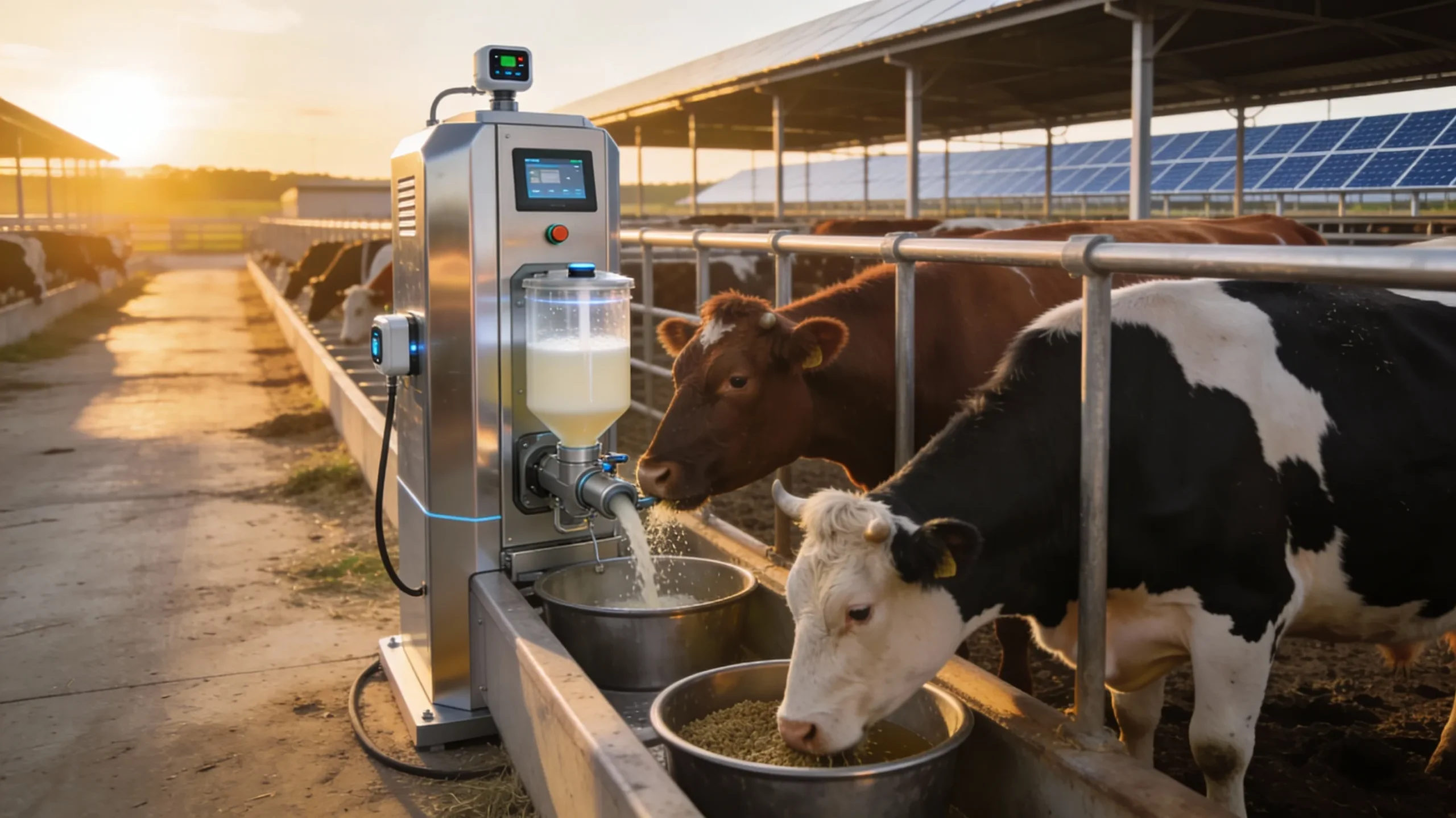
The cattle industry in 2026 has reached a pivotal turning point where “feeding” has evolved into “precision nutrition.” With beef prices holding firm due to tight global supplies and dairy demand shifting toward functional health, the margin for error in your ration is slimmer than ever. Producers are no longer looking for bulk filler; they are seeking high-efficiency additives that optimize the rumen environment and ensure every pound of feed translates into profit.
The goal of modern supplementation is to address the specific biological needs of the herd while navigating new environmental regulations and fluctuating commodity costs. Whether you are managing a high-output dairy in the Midwest or a range-based beef operation in Montana, the following guide breaks down the essential supplements and strategies required to dominate the market this year.
The Big 6 Functional Additives for 2026
To achieve top-tier performance, your nutritional program must move beyond basic protein and energy. Functional additives act as the “software” for the animal’s digestive system, directing how nutrients are partitioned and utilized.
- Ionophores: These remain the gold standard for improving feed efficiency. By selectively targeting rumen bacteria, ionophores like monensin help reduce methane production and prevent coccidiosis, providing a dual benefit of growth and health.
- Precision Vitamins & Minerals: The release of the 2026 Microvit® Nutrition Guide has highlighted the importance of bioavailability. Instead of traditional salts, producers are shifting toward chelated minerals that the animal can absorb more effectively, even during periods of high stress.
- Prebiotics & Probiotics: Gut health is the foundation of immunity. Modern direct-fed microbials (DFMs) stabilize the rumen pH, which is critical for preventing subacute ruminal acidosis (SARA) in high-grain finishing diets.
- Enzymes: Supplemental enzymes like carbohydrases and proteases allow cattle to extract more energy from low-quality forages. This technology is particularly valuable when hay or silage quality is inconsistent due to weather variability.
- Encapsulated Nutrients: This “bypass” technology ensures that sensitive amino acids and B-vitamins pass through the rumen intact. They are then absorbed in the small intestine, directly boosting milk protein and muscle synthesis.
- Methane-Mitigating Additives: With 2026 regulatory standards focusing on carbon footprints, additives like seaweed extracts and synthetic inhibitors are becoming mainstream. These products not only help with compliance but often improve the net energy available to the cow.
Segmenting Success: Beef vs. Dairy Strategies
While the basic chemistry of the rumen is the same, the metabolic goals of beef and dairy cattle require vastly different supplementation profiles.
Beef Cattle: Maximum Gain and Marbling
For beef producers, the focus is on Average Daily Gain (ADG) and Feed Conversion Ratio (FCR). Supplementing with high-fat bypass proteins during the finishing phase can significantly improve marbling scores and carcass value. In 2026, the use of “booster” minerals in the final 90 days has shown a clear ROI by reducing the days-on-feed, which directly lowers the total cost of production.
Dairy Cattle: Persistence and Components
Dairy nutrition is a game of components – milk fat and protein. Precision intestinal nutrition is the key here. By using encapsulated methionine and choline, dairy managers can maintain peak lactation persistence while protecting the cow’s liver health. Additionally, 2026 has seen a surge in the use of post-calving “drench” supplements that provide an immediate surge of calcium and electrolytes to prevent milk fever.
Delivery Systems: Liquid Feed vs. Dry Tubs
Choosing the right delivery method is often a matter of labor and infrastructure.
| Feature | Liquid Feed Supplements | Dry Tubs & Mineral Blocks |
|---|---|---|
| Consistency | Highly uniform; every bite is the same. | Variable based on animal licking behavior. |
| Labor | Low; typically delivered by a supplier. | Moderate; requires manual placement. |
| Urea Utilization | Excellent for range cattle. | Moderate; depends on block hardness. |
| Weather Resistance | High; rain does not degrade the liquid. | Moderate; can “melt” in high humidity. |
Liquid supplements are increasingly popular for 2026 because they can be easily integrated into automated TMR (Total Mixed Ration) mixers or lick-tank systems. However, for producers with cattle on vast grazing lands, moisture-resistant mineral tubs remain the most reliable way to ensure year-round nutrient intake.
Global Trends and Sustainability
The 2026 landscape is heavily influenced by the “One Health” initiative, which links animal health to environmental sustainability. We are seeing a massive shift toward antibiotic-free growth promoters. Natural alternatives, such as essential oils (thyme, oregano) and yeast cultures, have proven to be nearly as effective as traditional medicated feeds when managed correctly. Furthermore, insect-based proteins are finally entering the B2B supply chain as a viable, sustainable alternative to traditional soybean meal.
Frequently Asked Questions
What is the best booster for beef cattle in 2026?
The most effective boosters this year are those combining chelated zinc with yeast-based probiotics. These enhance the immune system and hoof health while maximizing the energy extracted from the ration.
How do I reduce cattle feed costs without losing weight?
Focus on feed efficiency rather than just the price per ton. Adding an ionophore or a high-quality enzyme can improve feed conversion by 5−8%, effectively reducing your total feed bill even if the supplement adds a small upfront cost.
Which mineral supplements are essential for grass-fed herds?
Grass-fed cattle often lack sufficient phosphorus and magnesium, especially during the spring “lush” growth. A high-magnesium mineral block is essential to prevent grass tetany and maintain reproductive cycles.
Investing in Your Herd’s Future
The cattle feed supplement market of 2026 rewards the proactive producer. By integrating precision additives and staying ahead of sustainability trends, you can secure better margins and healthier animals. Whether your goal is a higher weaning weight or increased milk fat, the right supplement strategy is the most powerful tool in your management toolbox.
