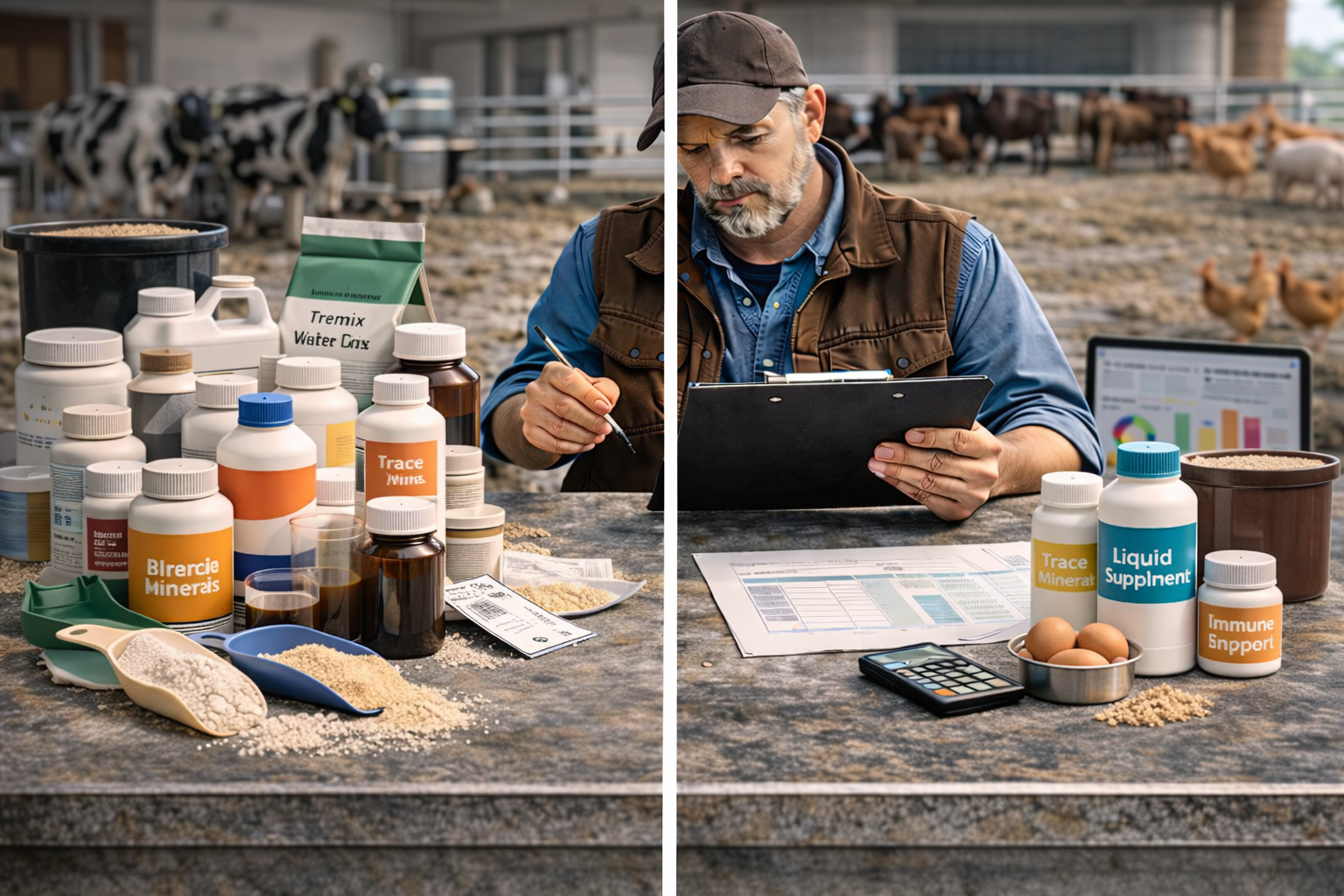
Essential Vitamin & Mineral Feed Supplements for Optimal Farm Animal Health & Productivity
 The significant projected growth in the animal nutrition and feed additives markets underscores the increasing global investment in optimizing animal health.
In the dynamic landscape of modern agriculture, maximizing farm animal health and productivity is not merely an objective; it’s a necessity for economic viability and sustainability. At the core of this endeavor lies a profound understanding of nutrition. While balanced rations provide the bulk energy and protein for livestock, it is the often-overlooked micronutrients – essential vitamins and minerals – that act as the critical catalysts for virtually every physiological process. These compounds are indispensable for growth, reproduction, immunity, and overall well-being. As global demand for animal protein continues to rise, with global meat consumption reaching 337 million tons in 2024 and global meat production estimated to have risen by 1.3% in 2024 to 365 million metric tons, the efficiency and health of animal production systems are paramount. This necessitates a deep dive into the role of vitamin and mineral feed supplements, which have become indispensable tools in fortifying animal diets. This comprehensive guide explores why these nutrients are critical, the specific roles of key vitamins and minerals, how to identify deficiencies, and the strategic implementation of supplements to unlock optimal farm animal health and productivity. The global animal nutrition market, valued at US$ 23.12 billion in 2023, is projected to reach US$ 39.13 billion by 2031, underscoring the significant investment and importance placed on this field, with feed additives alone estimated at USD 25 billion in 2024 and expected to grow to USD 38.2 billion by 2034.
The Foundation of Farm Productivity: Why Vitamins and Minerals Matter
 Vitamins and minerals act as essential catalysts, unlocking critical physiological functions that drive animal health and productivity.
The pursuit of enhanced farm animal health and productivity is intrinsically linked to meeting the complex nutritional demands of livestock. While macronutrients provide the building blocks and energy, it is the micronutrients that orchestrate the intricate biochemical pathways essential for life itself.
Beyond Basic Survival: The Role of Nutrition in Modern Livestock
Modern livestock production operates under intense pressure to achieve higher efficiency, faster growth rates, improved reproductive success, and greater disease resistance. This elevated performance threshold places a premium on precise nutrition. Animals are no longer managed solely for survival; they are bred and managed for optimal output. Achieving these goals requires diets that go beyond simply preventing deficiency diseases. Instead, diets must be formulated to support peak physiological function, allowing animals to express their genetic potential for growth, milk production, egg laying, and reproduction. This level of performance hinges on a consistent and adequate supply of all essential nutrients, including vitamins and minerals, which are critical for metabolic processes that underpin every aspect of animal health and productivity.
The Economic Impact of Deficiencies: Hidden Costs to Farm Profitability
Nutrient deficiencies, even subclinical ones, can have a profound and often underestimated economic impact on farm profitability. The costs are not always immediately apparent but manifest as reduced performance, increased disease incidence, and higher veterinary expenses. Suboptimal levels of vitamins and minerals can lead to:
- Reduced Feed Efficiency: Animals may consume feed but fail to convert it effectively into meat, milk, or eggs, leading to increased feed costs per unit of output.
- Slower Growth Rates: Deficiencies can impede protein synthesis, bone development, and overall metabolic function, delaying market readiness and reducing overall throughput.
- Impaired Reproductive Performance: Fertility issues, poor conception rates, increased embryonic mortality, and reduced litter or calf sizes are common consequences of insufficient nutrient intake.
- Weakened Immune Systems: Animals become more susceptible to infections, leading to increased morbidity and mortality, necessitating costly treatments and potentially resulting in condemned carcasses.
- Increased Susceptibility to Stress: Deficiencies can compromise an animal’s ability to cope with environmental stressors like heat, cold, transport, or overcrowding, leading to reduced welfare and performance.
The economic consequences ripple through the entire production chain, from increased feed and veterinary bills to reduced market value of the final product. For instance, while the global swine feed supplements market is projected to reach USD 4.03 billion by 2032, this growth is driven by the understanding that investing in supplements yields significant returns by mitigating these hidden costs.
Understanding the Building Blocks: Essential Vitamins for Livestock
Vitamins are organic compounds required by animals in small amounts but are vital for a myriad of physiological functions. They are broadly classified into two groups based on their solubility: fat-soluble and water-soluble.
Fat-Soluble Vitamins: Storage, Growth, and Immunity
Fat-soluble vitamins – Vitamins A, D, E, and K – are absorbed with dietary fats and can be stored in the body’s fatty tissues and liver. This storage capability means that deficiencies may not appear immediately but can accumulate over time.
- Vitamin A: Crucial for vision, particularly in low light conditions, and essential for the health and integrity of epithelial tissues (skin, respiratory and digestive tracts). It plays a significant role in reproduction, embryonic development, and immune function. Deficiency can lead to night blindness, impaired growth, reproductive failures, and increased susceptibility to infections.
- Vitamin D: Primarily known for its role in calcium and phosphorus metabolism, Vitamin D is essential for bone health and mineralization. It aids in the absorption of these minerals from the gut and their deposition into bones. It also plays a role in immune function and muscle physiology. Deficiency results in rickets in young animals and osteomalacia in adults, characterized by weak, brittle bones and lameness.
- Vitamin E: Acts as a primary fat-soluble antioxidant, protecting cell membranes from oxidative damage caused by free radicals. It is intrinsically linked with selenium in antioxidant defense systems, working synergistically to protect tissues. Vitamin E is vital for immune function, reproductive health, and muscle integrity. Adequate levels enhance immune cell function, leading to improved antibody response, better vaccine efficacy, and increased resistance to disease and environmental stress. Deficiency can manifest as white muscle disease (nutritional muscular dystrophy), impaired immunity, and reproductive problems.
- Vitamin K: Essential for blood clotting and plays a role in bone metabolism. While gut bacteria can synthesize some Vitamin K, dietary supplementation is often necessary, especially in scenarios that disrupt gut microflora or increase the risk of bleeding.
Water-Soluble Vitamins: Energy, Metabolism, and Stress Resilience
Water-soluble vitamins, primarily the B-complex vitamins and Vitamin C, are not stored in significant amounts in the body and are excreted in the urine. Therefore, they must be supplied regularly in the diet. The B-complex vitamins are coenzymes involved in numerous metabolic processes, particularly energy metabolism.
- B-Complex Vitamins: This group includes thiamine (B1), riboflavin (B2), niacin (B3), pantothenic acid (B5), pyridoxine (B6), biotin (B7), folate (B9), and cobalamin (B12). These vitamins are critical for carbohydrate, fat, and protein metabolism, energy production (ATP synthesis), nerve function, DNA synthesis, and red blood cell formation. Deficiencies can lead to a wide range of symptoms, including poor appetite, weight loss, neurological disorders, digestive disturbances, and dermatitis. Ruminants can synthesize some B vitamins through microbial fermentation in the rumen, but supplementation may be required under high-stress conditions or for rapidly growing animals.
- Cobalt: While not a vitamin itself, Cobalt is a crucial component of Vitamin B12 (cobalamin). Ruminant animals rely on rumen microbes to synthesize Vitamin B12, and these microbes require Cobalt to do so. Therefore, a dietary supply of Cobalt is essential for Vitamin B12 production and consequently for many metabolic functions linked to B vitamins. Deficiency in Cobalt directly leads to Vitamin B12 deficiency, impacting energy metabolism and overall health.
- Vitamin C (Ascorbic Acid): Acts as an antioxidant and is involved in collagen synthesis, wound healing, and immune function. While most animal species can synthesize Vitamin C, supplemental inclusion can be beneficial during periods of high stress or disease challenges.
The Power of the Earth: Key Mineral Supplements for Optimal Health
Minerals are inorganic elements that play vital roles in building body tissues, regulating body functions, and supporting metabolic processes. They are broadly categorized into macro minerals (required in larger amounts) and micro or trace minerals (required in smaller amounts).
Macro Minerals: The Pillars of Structure and Function
Macro minerals are essential for structural components of the body and are involved in numerous physiological functions, including nerve transmission, muscle contraction, and acid-base balance.
- Calcium (Ca): The most abundant mineral in the body, primarily found in bones and teeth. Calcium is crucial for skeletal structure, muscle function (contraction and relaxation), nerve impulse transmission, blood clotting, and milk production. Dairy cows, in particular, have high calcium demands during lactation. Deficiency can lead to rickets, osteoporosis, milk fever (hypocalcemia), and poor growth.
- Phosphorus (P): Works closely with calcium in bone and teeth formation. It is also vital for energy metabolism (as ATP), cell membrane structure, and reproductive function. Phosphorus deficiency, often occurring alongside calcium deficiency, can cause poor growth, reduced fertility, and pica (depraved appetite).
- Magnesium (Mg): Acts as a cofactor for over 300 enzymes involved in energy metabolism and protein synthesis. It is essential for nerve and muscle function, as well as maintaining the acid-base balance. Magnesium deficiency, often seen in grazing animals on lush pastures (grass tetany), can lead to neuromuscular excitability, convulsions, and sudden death.
- Sodium (Na) and Chloride (Cl): Often referred to as salt, these are critical electrolytes that regulate body fluid balance, osmotic pressure, and acid-base balance. They are essential for nerve impulse transmission and muscle function. Deficiencies can lead to reduced feed intake, dehydration, and poor growth.
- Potassium (K): Another key electrolyte involved in fluid balance, nerve impulse transmission, and muscle contraction. It also plays a role in enzyme activity and carbohydrate metabolism.
- Sulfur (S): An important component of sulfur-containing amino acids (methionine and cysteine) and certain vitamins (biotin, thiamine). It is essential for protein synthesis and is involved in various metabolic reactions.
Micro (Trace) Minerals: Catalysts for Vital Processes
Trace minerals are required in much smaller quantities than macro minerals, but their roles are no less critical. They often function as essential components of enzymes and hormones, acting as catalysts for a vast array of biochemical reactions.
- Zinc (Zn): A vital cofactor for numerous enzymes involved in carbohydrate, protein, and nucleic acid metabolism. It plays a critical role in immune function, skin and hoof health, wound healing, and reproductive processes. Deficiency can result in poor growth, dermatitis, impaired immune response, and reproductive failure.
- Copper (Cu): Essential for enzyme systems involved in iron metabolism, energy production, collagen and elastin synthesis, and pigment formation. It is crucial for nervous system function, bone development, and immune response. Copper deficiency can lead to anemia, poor coat quality, scouring, impaired growth, and reproductive issues.
- Iron (Fe): A fundamental component of hemoglobin and myoglobin, responsible for oxygen transport in the blood and muscles. Iron is also a constituent of several enzymes involved in energy metabolism. Iron deficiency (anemia) is particularly common in young, rapidly growing animals, especially piglets, due to limited transfer from the dam and low iron content in sow’s milk.
- Manganese (Mn): A cofactor for enzymes involved in bone formation, reproduction, and antioxidant defense. It plays a role in the metabolism of amino acids, carbohydrates, and fats. Deficiency can lead to reproductive problems, lameness, and poor skeletal development.
- Selenium (Se): A crucial antioxidant, working synergistically with Vitamin E to protect cellular components from oxidative damage. It is vital for immune function, reproductive performance, and muscle health. Adequate selenium is linked to improved fertility and reproductive success in beef cows, with studies showing increased conceptus length after breeding in supplemented cows. Deficiency can cause white muscle disease, retained placentas, and reduced immune response.
- Cobalt (Co): As previously mentioned, essential for Vitamin B12 synthesis by rumen microbes in ruminants.
- Iodine (I): Necessary for the synthesis of thyroid hormones, which regulate metabolism, growth, and development. Iodine deficiency can lead to goiter, impaired growth, and reproductive failure.
Cautionary Note: Lead (Pb) While focusing on essential minerals, it is critical to acknowledge the presence and danger of toxic minerals like lead. Lead is not an essential nutrient and can contaminate animal feed and water sources. It is highly toxic, accumulating in tissues and causing severe damage to the nervous system, digestive system, kidneys, and reproductive organs. Symptoms of lead toxicity can include colic, neurological signs (weakness, incoordination), poor growth, and reduced feed intake. Farmers must be vigilant in ensuring feed and water sources are free from lead contamination to prevent these severe health consequences.
Identifying Nutrient Deficiencies: A Proactive Approach
Recognizing and addressing nutrient deficiencies requires a combination of keen observation, astute record-keeping, and scientific diagnostics. A proactive approach is far more effective and economical than treating established deficiency diseases.
Recognizing the Signs: Common Symptoms in Farm Animals
The manifestation of nutrient deficiencies can be varied and often subtle, especially in subclinical cases. However, consistent observation can reveal patterns indicative of specific nutrient shortfalls:
- General Symptoms: Lethargy, poor appetite, unexplained weight loss, reduced growth rates, rough hair or feather coat, dry and flaky skin.
- Skeletal Issues: Lameness, bone deformities, fractures, inability to rise (especially in young or rapidly growing animals).
- Reproductive Problems: Poor conception rates, irregular estrus cycles, abortions, stillbirths, retained placentas, weak offspring.
- Immune Compromise: Increased frequency and severity of infections (respiratory, intestinal), poor response to vaccines, slow wound healing.
- Digestive Disturbances: Diarrhea, constipation, depraved appetite (pica).
- Neurological Signs: Tremors, incoordination, muscle weakness, paralysis.
- Specific Lesions: Skin lesions, poor feathering, changes in coat color.
It is important to note that many of these symptoms can be indicative of other health issues as well, underscoring the need for further diagnostic investigation.
Beyond Observation: Diagnostic Tools for Farmers
While visual cues are important, definitive diagnosis of nutrient deficiencies requires more rigorous methods:
- Feed and Forage Analysis: This is a critical first step. Analyzing the nutrient content of the primary feed sources (grains, forages, roughages) reveals what the animals are actually consuming. This analysis allows for comparison against established nutrient requirement tables for specific species and production stages.
- Blood and Tissue Analysis: Laboratory tests on blood or tissue samples can provide a snapshot of an animal’s nutritional status for certain vitamins and minerals. For example, blood tests can assess levels of certain minerals, hemoglobin (for iron status), and Vitamin E. Tissue analysis, such as liver biopsies, can provide a more accurate assessment of long-term storage for some nutrients.
- Rumen Fluid Analysis: For ruminants, analyzing rumen fluid can provide insights into the microbial activity and the availability of nutrients that rely on microbial fermentation, such as B vitamins.
- Post-Mortem Examination: In cases of unexplained mortality, a necropsy can reveal pathological changes consistent with specific nutrient deficiencies.
- Response to Supplementation Trials: In some instances, a carefully managed trial where a suspected deficient nutrient is supplemented to a group of animals and their response is monitored can help confirm a deficiency.
Consulting with a veterinarian or an animal nutritionist is crucial for interpreting diagnostic results and developing an appropriate supplementation strategy.
Strategic Supplementation: Choosing the Right Products for Your Herd
Once nutrient requirements are understood and potential deficiencies identified, strategic supplementation becomes key. This involves selecting the appropriate form, dosage, and timing of supplements to maximize their efficacy and economic benefit.
Understanding Bioavailability: Getting the Most from Your Supplements
Bioavailability refers to the proportion of a nutrient that is absorbed and utilized by the animal’s body. Not all forms of a nutrient are equally bioavailable.
- Inorganic Minerals: These are typically less bioavailable and more prone to antagonism (where one mineral interferes with the absorption of another). For example, high levels of calcium can reduce the absorption of zinc and iron.
- Organic Minerals: These are minerals chelated or bonded to organic molecules like amino acids or peptides. Organic minerals are generally more bioavailable because they are absorbed through different pathways and are less susceptible to antagonisms. They are often referred to as “chelated” or “complexed” minerals.
- Particle Size and Interactions: The physical form and particle size of supplements can also influence absorption. Furthermore, interactions within the digestive tract can affect the bioavailability of various nutrients.
Choosing supplements with high bioavailability ensures that a greater proportion of the added nutrient is actually utilized by the animal, making supplementation more effective and potentially reducing the overall amount required.
Different Forms of Supplements: Matching Needs and Feeding Systems
Vitamin and mineral supplements are available in various forms to suit different farm management systems and animal needs:
- Premixes: These are concentrated mixtures of vitamins and/or minerals designed to be incorporated into the animal’s total mixed ration (TMR) or feed concentrate. They offer precise dosing and even distribution throughout the feed.
- Loose Minerals: These are typically free-choice offerings, often placed in mineral feeders. They are convenient but rely on consistent animal intake, which can be variable.
- Blocks: Compressed blocks of minerals provide a slower release and can be useful for free-choice feeding. However, intake can be difficult to monitor precisely.
- Liquids and Pastes: These are often used for individual animal treatment or for specific targeted applications, providing rapid delivery.
- Injectables: Some vitamins and minerals can be administered via injection for rapid absorption and to bypass digestive issues. This is often reserved for specific therapeutic purposes.
The choice of form depends on the feeding system, the species, the homogeneity of the diet, and the desired level of control over nutrient intake.
Tailoring Supplements to Animal Type and Production Stage
Nutritional requirements are not static; they vary significantly based on species, age, sex, production stage, and environmental conditions.
- Species-Specific Needs: Poultry have different requirements than swine or cattle. For example, the global poultry feed additives market is projected to reach USD 7.9 billion by 2033, indicating specialized formulations are crucial for this sector.
- Life Stage Variations: Young, growing animals have different needs than mature breeding stock. Pregnant and lactating animals have significantly higher requirements for many vitamins and minerals to support fetal development, milk production, and maternal health.
- Environmental Factors: Animals under heat stress, cold stress, or those undergoing transport require enhanced nutritional support for immune function and metabolic adaptation. For example, managing fescue toxicity in grazing animals often requires specific nutritional strategies.
A one-size-fits-all approach to supplementation is rarely optimal. Tailoring the supplement program to the specific needs of the herd or flock is essential for maximizing results.
Complementary Supplements: Enhancing Overall Health
Beyond essential vitamins and minerals, other feed additives can complement nutritional programs and enhance overall health and performance. These may include:
- Probiotics and Prebiotics: To support a healthy gut microbiome, which is crucial for nutrient digestion, absorption, and immune function.
- Amino Acids: To ensure the availability of essential building blocks for protein synthesis, especially when plant-based protein sources are limited.
- Enzymes: To improve the digestibility of feed components, releasing more nutrients for absorption.
- Buffers: To help maintain rumen pH, particularly in high-grain diets, preventing digestive upset and optimizing nutrient utilization.
These complementary additives, when used strategically alongside a robust vitamin and mineral program, can further improve feed efficiency and overall animal health.
Maximizing Productivity: The Direct Link Between Supplements and Farm Success
The ultimate goal of optimizing animal nutrition through vitamin and mineral supplementation is to enhance farm productivity and profitability. This translates into tangible improvements across several key areas.
Boosting Reproductive Performance: Fertility and Conception Rates
Reproductive efficiency is a cornerstone of profitability in most livestock operations. Adequate levels of key vitamins and minerals are critical for successful reproduction. For example, selenium and Vitamin E play vital roles in gamete development and function, embryo survival, and reducing oxidative stress during reproduction. Zinc is essential for sperm production and function in males and for ovarian function and embryo development in females. Calcium and phosphorus are vital for the physiological processes supporting gestation and lactation. Targeted supplementation programs, such as those exemplified by products like VitaFerm® Concept•Aid®, are designed to deliver specific nutrient profiles proven to enhance fertility, leading to higher conception rates, reduced days open, and more efficient breeding cycles. Research from the University of Kentucky, for instance, observed improved conceptus length in beef cows supplemented with a blend of organic and inorganic selenium, highlighting the direct impact on early embryonic development.
Enhancing Growth and Feed Efficiency: Faster Gains, Healthier Animals
For meat, milk, and egg production, rapid and efficient growth is paramount. Vitamins and minerals are key drivers of this process:
- Minerals: Calcium and phosphorus are fundamental for skeletal development and muscle growth. Zinc is involved in protein synthesis and enzyme activity crucial for growth. Iron is indispensable for oxygen transport, fueling metabolic processes that support growth.
- Vitamins: B-complex vitamins are central to energy metabolism, ensuring that feed energy is efficiently converted into body mass. Vitamin A supports the growth and integrity of tissues, including those involved in nutrient absorption and utilization.
By providing these nutrients in optimal amounts and bioavailable forms, animals can achieve their genetic growth potential more effectively. This directly translates into improved feed efficiency, meaning animals require less feed to produce a unit of product. This reduction in feed cost per unit of production is a significant contributor to farm profitability.
Strengthening Immune Response: Reducing Disease Incidence and Treatment Costs
A robust immune system is the animal’s first line of defense against pathogens. Vitamins and minerals are integral to immune function:
- Vitamin E and Selenium: As potent antioxidants, they protect immune cells from damage and enhance their ability to respond to challenges. Adequate levels improve antibody production and vaccine efficacy.
- Zinc: Crucial for the development and function of immune cells.
- Copper: Involved in immune cell proliferation and function.
- Vitamin A: Supports the integrity of epithelial barriers, preventing pathogen entry.
By fortifying the immune system, supplementation can lead to a reduced incidence of disease, lower veterinary treatment costs, and decreased mortality rates, all of which directly boost the bottom line.
Improving Stress Resilience: Supporting Animals Through Environmental Challenges
Modern farming often exposes animals to various stressors, including heat, cold, transport, weaning, and disease challenges. Proper nutrition is key to helping animals cope with these challenges. B-complex vitamins, for instance, are critical for energy mobilization and stress response mechanisms. Antioxidants like Vitamin E and selenium help mitigate the cellular damage caused by oxidative stress associated with environmental challenges. For animals grazing on potentially problematic forages, such as those affected by fescue toxicity, specific nutritional strategies are vital to support their well-being and productivity. By enhancing an animal’s ability to adapt to stress, supplementation minimizes performance drops and supports overall health.
Optimizing Overall Herd Performance and Longevity
The cumulative effect of improved reproduction, growth, immunity, and stress resilience leads to optimized overall herd or flock performance. Animals that are healthier and more productive throughout their lives contribute more significantly to the farm’s economic success. Better nutrition can also contribute to greater animal longevity and welfare, aligning with the growing emphasis on ethical and sustainable farming practices.
Practical Feeding and Management Strategies
Implementing an effective vitamin and mineral supplementation program requires careful consideration of practical feeding and management aspects to ensure efficacy and avoid potential pitfalls.
Administering Supplements Effectively: Best Practices
The method of supplement delivery significantly impacts intake and distribution.
- Total Mixed Ration (TMR): Incorporating vitamin and mineral premixes into TMR ensures uniform distribution and intake. Careful mixing is essential to avoid segregation.
- Top-Dressing: Adding supplements directly onto a base ration can be effective, but segregation remains a concern.
- Free-Choice Feeding: While convenient, intake can be unpredictable and influenced by palatability, competition among animals, and feeder design. The use of highly palatable and effective mineral forms is crucial here.
- Individual Dosing: For specific animals or therapeutic purposes, pastes or injections offer precise delivery.
Regardless of the method, ensuring consistent access and palatability is key to achieving desired intake levels.
Preventing Toxicity: The Dangers of Over-Supplementation
While deficiencies are detrimental, excessive intake of certain vitamins and minerals can be equally harmful, leading to toxicity.
- Fat-Soluble Vitamins: Because they are stored in the body, fat-soluble vitamins (A, D, E, K) have a greater potential for toxicity than water-soluble vitamins. Excess Vitamin A can cause skeletal abnormalities and reproductive issues. Excessive Vitamin D can lead to hypercalcemia and soft tissue calcification.
- Trace Minerals: Some trace minerals, like selenium, copper, and iron, can be toxic at high levels. For example, excess copper can cause liver damage in certain species. Lead toxicity is a severe risk if contaminated feed or water is consumed.
- Antagonisms: High levels of one mineral can interfere with the absorption and utilization of another, effectively creating a deficiency of the second mineral. For example, high sulfur levels can interfere with copper absorption.
It is crucial to adhere to recommended inclusion rates and consult with nutritionists to avoid exceeding safe upper limits. Understanding the interactions between different nutrients is also vital.
Monitoring Intake and Animal Response
Regular monitoring is essential to ensure the supplementation program is working as intended.
- Observe Feed Intake: Note consumption levels of free-choice minerals or the consumption of supplemented rations.
- Monitor Animal Health: Regularly assess the overall health, body condition, and performance of the animals. Look for any changes in behavior, growth, or reproductive parameters.
- Record Keeping: Maintain detailed records of feed analyses, supplement formulations, feeding practices, and animal performance. This data is invaluable for evaluating the program’s effectiveness and making adjustments.
When unexpected issues arise, re-evaluating feed analyses, supplement inclusion rates, and animal health parameters is a crucial step in troubleshooting.
Conclusion: Investing in Health for Sustainable Productivity
The intricate relationship between essential vitamins, minerals, and farm animal health and productivity cannot be overstated. In the face of increasing global demand for animal protein and the drive for greater agricultural efficiency, strategic nutritional management is no longer optional; it is a fundamental pillar of success. From supporting the basic biochemical processes that sustain life to enabling peak reproductive and growth performance, these micronutrients are indispensable.
Recapping the Critical Role of Essential Vitamins and Minerals
Vitamins and minerals act as the linchpins of animal physiology. Vitamins, both fat-soluble (A, D, E, K) and water-soluble (B-complex), are critical for vision, bone health, immunity, energy metabolism, and cellular protection. Minerals, encompassing macro minerals like calcium, phosphorus, magnesium, sodium, and chloride, and trace minerals such as zinc, copper, iron, manganese, selenium, and cobalt, are vital for structural integrity, enzyme function, oxygen transport, and hormonal regulation. The careful management of these nutrients, often through vitamin and mineral supplements, is essential to overcome potential deficiencies in animal feed, thereby enhancing feed efficiency and overall farm output.
The Path Forward: Precision Nutrition for a Thriving Industry
As the agricultural industry continues to evolve, so too must our approach to animal nutrition. The rise of precision nutrition, leveraging advanced diagnostics and understanding of nutrient bioavailability, allows for tailored supplementation programs that meet the specific needs of different species, breeds, and production stages. The Asia-Pacific region, dominating the animal nutrition market with a 40.25% share in 2024, exemplifies the global trend of growth and innovation in this sector, driven by increased livestock production. By embracing these advancements, farmers can mitigate the economic impact of deficiencies, boost reproductive success, enhance growth rates, strengthen immune systems, and improve overall animal welfare.
Investing in a well-formulated vitamin and mineral supplementation program is not merely an expense; it is a strategic investment in the health, productivity, and long-term sustainability of the farm. By understanding the science behind these essential nutrients and implementing best practices in supplementation, farmers can unlock the full genetic potential of their animals, contributing to a more efficient, resilient, and profitable agricultural future.