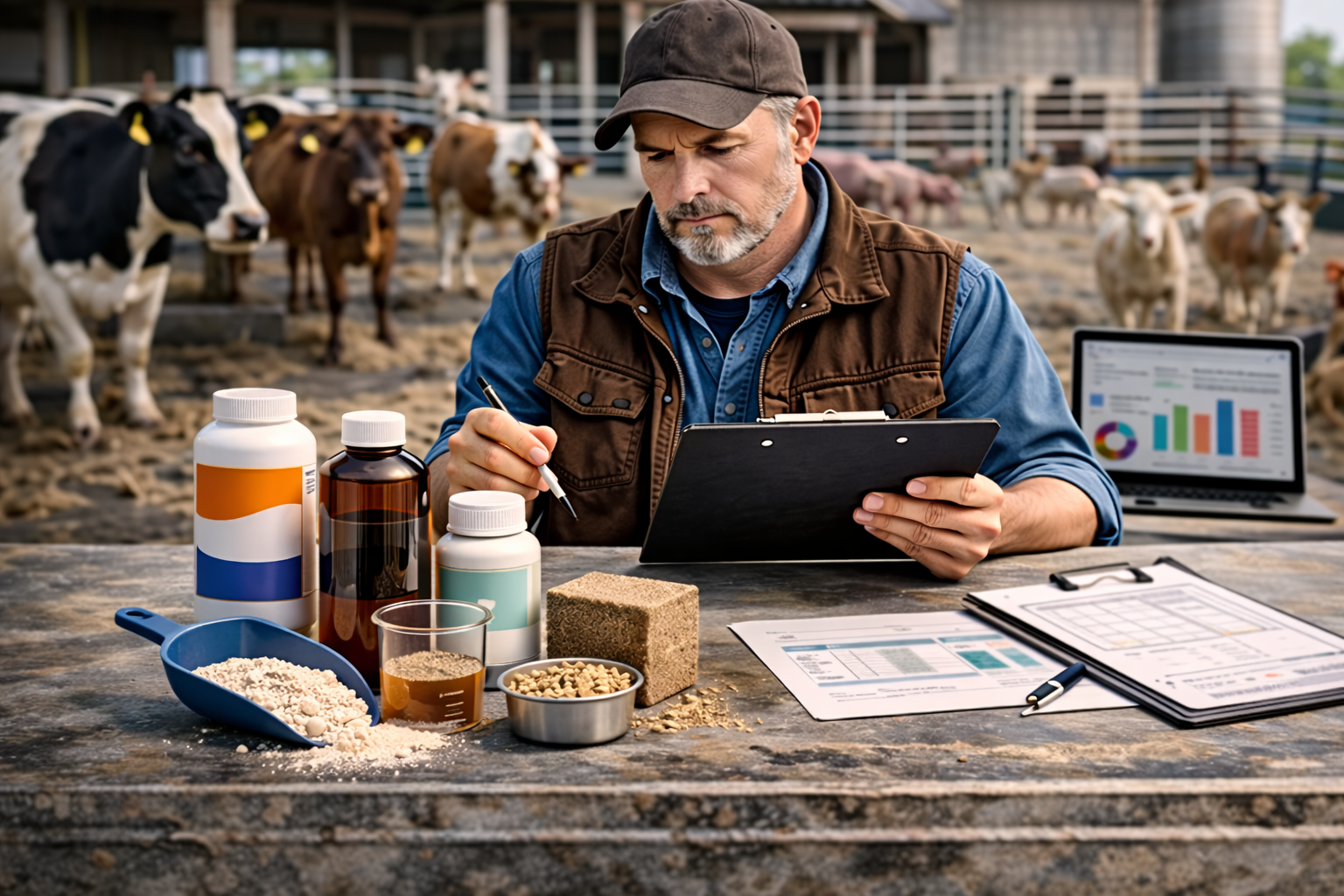
Livestock Feed Supplements: Unlock Superior Health, Growth & Productivity for Your Herd
 The global market for animal feed supplements is projected to see significant growth, indicating its increasing importance in modern agriculture.
In the dynamic world of livestock agriculture, maximizing the potential of every animal is not just a goal; it’s a necessity for economic viability and sustainable growth. The modern livestock industry faces increasing demands for higher yields, improved animal welfare, and reduced environmental impact. Achieving these objectives requires a sophisticated understanding of animal nutrition that goes beyond basic feed. Feed supplements represent a critical, yet often underutilized, tool in the farmer’s arsenal, offering a strategic pathway to unlock superior health, accelerate growth, and significantly boost overall herd productivity and operational efficiency. This comprehensive guide explores the foundational role of feed supplements, their biological mechanisms, quantifiable benefits, and the strategic considerations for their implementation, positioning them as indispensable investments for a thriving livestock operation. As the global market for animal feed supplements reached US$ 38.20 billion in 2024 and is projected to climb to US$ 58.96 billion by 2032, growing at a compound annual growth rate of 5.7%, the significance of these products is undeniable DataM Intelligence, 2026.
The Modern Livestock Challenge: Maximizing Performance in a Dynamic World
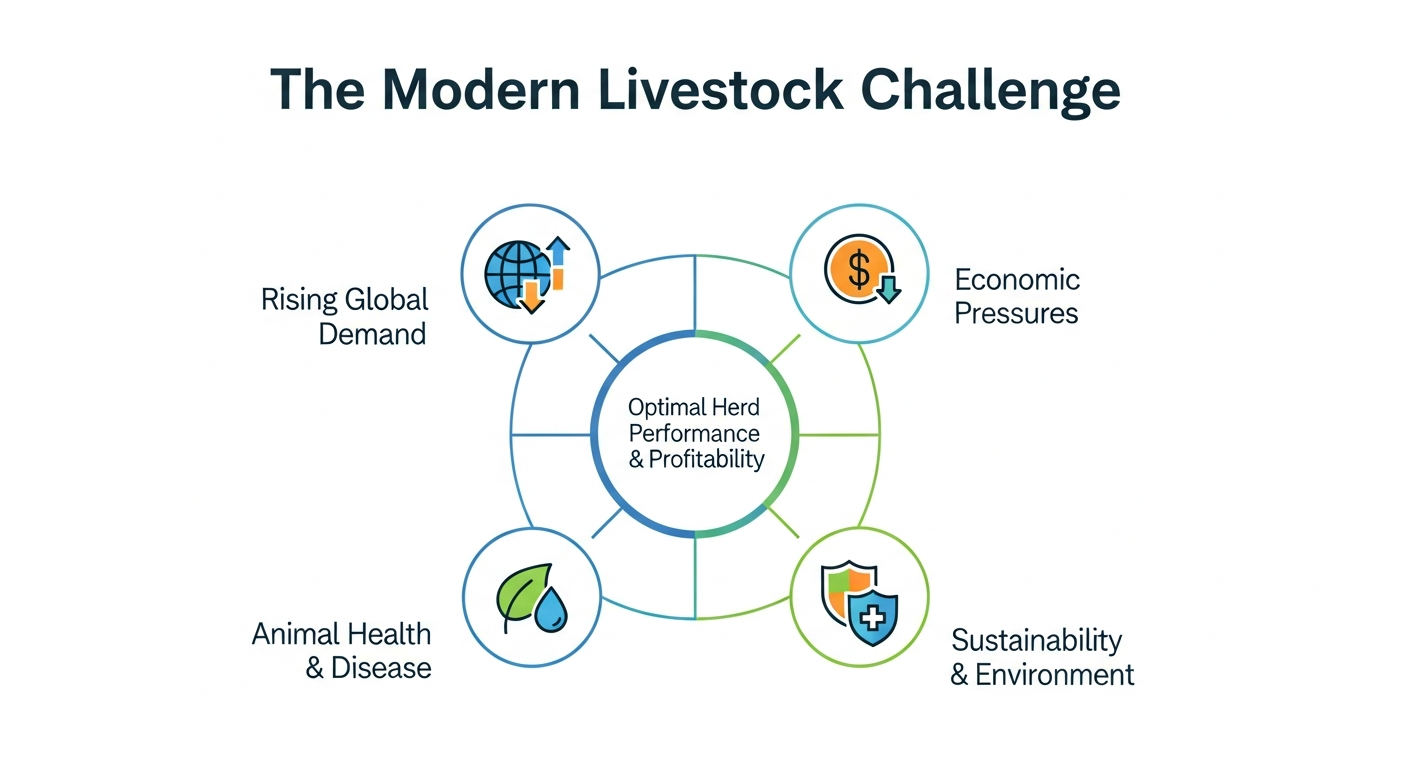 Modern livestock operations must navigate a complex web of interconnected challenges to achieve success.
The livestock sector is a cornerstone of global food security and agricultural economies. The World Bank estimates that the livestock sector contributes 40% of the global agricultural output value and supports the livelihoods and food security of nearly 1.3 billion people World Bank (cited by DataM Intelligence), 2024. However, this vital industry operates within an increasingly complex environment. Growing global populations and rising disposable incomes translate into a projected 14% increase in the global consumption of animal proteins by 2030 FAO (cited by Maximize Market Research), 2025. This surge in demand places immense pressure on farmers to enhance their output and productivity. Simultaneously, economic pressures necessitate greater efficiency in resource utilization, from feed to labor, to maintain profitability. Environmental concerns and evolving consumer preferences are also driving a shift towards more sustainable management practices. Furthermore, the ever-present threat of diseases, amplified by global trade and intensive farming systems, demands a robust approach to animal health. These interconnected challenges create a complex operational landscape where traditional farming methods alone may not suffice to achieve optimal performance.
Beyond Basic Nutrition: The “Unlock” Factor
Basic nutrition, while essential, often provides only the baseline requirements for survival and maintenance. It rarely equips livestock to meet the heightened demands of modern production systems—rapid growth, high reproductive rates, and resilience against stress. The “unlock” factor lies in moving beyond this baseline to provide targeted nutritional support that optimizes physiological functions. Superior health, growth, and productivity are not merely about avoiding deficiency; they are about achieving an elevated state of well-being and performance. This involves ensuring that animals receive not just the necessary nutrients, but the right nutrients in the right amounts and proportions to support their genetic potential. Feed supplements act as this critical “unlock” mechanism, providing concentrated sources of specific nutrients or compounds that are either lacking in the base diet, are present in an unavailable form, or are required in higher quantities due to physiological demands or environmental challenges. They are the strategic tools that enable animals to transcend basic survival and truly thrive, leading to significant productivity gains.
The Foundational Role of Feed Supplements: Bridging Nutritional Gaps
Feed supplements are an indispensable component of modern livestock nutrition, designed to complement base diets and ensure animals receive a complete spectrum of nutrients necessary for optimal health, growth, and productivity. Their primary function is to bridge any nutritional gaps that may exist, whether due to variations in feedstuff quality, increased physiological demands, or the inherent limitations of natural ingredients.
Understanding Essential Nutritional Needs of Livestock
Livestock require a balanced intake of macronutrients (proteins, carbohydrates, fats), micronutrients (vitamins and minerals), fiber, and water to maintain life and perform at their genetic potential. Proteins are the building blocks of tissues and enzymes, carbohydrates provide energy, and fats are crucial for energy storage and hormone production. Vitamins are essential organic compounds required in small amounts for various metabolic processes, acting as coenzymes or antioxidants. Minerals are inorganic elements vital for skeletal structure, fluid balance, nerve function, and enzyme activity. Fiber aids in digestive health, particularly in ruminants. However, the precise nutritional requirements vary significantly based on species, age, breed, physiological state (growth, gestation, lactation), and environmental conditions.
Why Feed Alone Isn’t Always Enough for Optimal Performance
Several factors contribute to why feed alone is often insufficient for achieving peak livestock performance:
- Variability in Feedstuff Quality: The nutrient content of raw feed ingredients can fluctuate significantly due to soil conditions, weather, harvesting practices, and storage methods. This makes it challenging to guarantee a consistent nutrient profile in base diets.
- Nutrient Imbalances: Natural feedstuffs may contain sufficient amounts of some nutrients but be deficient in others, or they might contain anti-nutritional factors that hinder the absorption of beneficial compounds.
- Increased Nutrient Demands: Periods of rapid growth, reproduction (gestation and lactation), intense work, or exposure to stress (environmental, social, or physiological) dramatically increase the animal’s requirement for specific nutrients, often exceeding what a standard diet can provide.
- Bioavailability Issues: Even if a nutrient is present in the feed, its bioavailability—the degree to which it can be absorbed and utilized by the animal—can be compromised. Factors like processing, interactions with other feed components, and the animal’s digestive health play a crucial role.
Feed supplements are formulated to address these limitations, providing concentrated, readily available sources of critical nutrients that ensure animals are adequately nourished to thrive, not just survive. This proactive approach is fundamental to unlocking superior health and productivity gains.
Unlocking Superior Health: The Biological Mechanisms and Benefits
The most immediate and profound impact of judiciously chosen feed supplements is often seen in the enhanced health and resilience of the animal. By bolstering physiological systems, supplements act as a proactive shield against disease and a key to mitigating the detrimental effects of stress.
Fortifying the Immune System: A Shield Against Disease
A robust immune system is the first line of defense against pathogens and disease. Certain vitamins and minerals are critical components of immune function. For instance, Vitamin E and Selenium work synergistically as potent antioxidants, protecting immune cells from damage during their activation and helping to resolve inflammation. Zinc is vital for the development and function of immune cells, playing a role in antibody production and inflammatory responses. Vitamin C, while synthesized by most livestock species, can become limiting under stressful conditions, impacting immune cell function. Supplementing these micronutrients helps to ensure that the immune system is adequately prepared to confront challenges, reducing the incidence and severity of diseases and, consequently, decreasing the need for veterinary intervention and treatment cost. This fortification contributes directly to animal welfare and farm efficiency.
Optimizing Gut Health: The Root of All Wellness and Nutrient Absorption
The gastrointestinal tract is central to animal health, housing a complex ecosystem of microorganisms—the gut microbiome—that plays a pivotal role in digestion, nutrient synthesis, and immune regulation. A healthy gut microbiome is crucial for efficient nutrient absorption and preventing the proliferation of harmful bacteria. Probiotics, live beneficial microorganisms, can be supplemented to rebalance gut flora, particularly after periods of stress or antibiotic use. Prebiotics, non-digestible fibers, serve as food for these beneficial bacteria, promoting their growth. Enzymes, such as phytase or carbohydrases, aid in breaking down complex feed components, increasing nutrient digestibility and reducing the excretion of undigested material, which can contribute to environmental pollution. Optimizing gut health through supplements leads to improved nutrient uptake, reduced digestive disorders like diarrhea, and enhanced overall well-being, forming the foundation for better growth and productivity.
Mitigating Environmental and Physiological Stressors
Livestock are constantly exposed to various forms of stress, including heat, cold, transportation, weaning, social hierarchy within the herd, and disease challenges. Physiological stress responses can lead to hormonal imbalances, suppressed immunity, and reduced feed intake, negatively impacting growth and productivity. Supplements can play a crucial role in bolstering an animal’s resilience. Electrolytes can help maintain fluid balance during heat stress. Certain amino acids, like glutamine, are critical for gut health and immune cell function, especially under duress. Antioxidants help combat the oxidative damage associated with chronic stress. By helping animals cope more effectively with these challenges, supplements minimize the negative impact on their physiology, ensuring consistent performance and reducing the economic cost associated with stress-related issues. This proactive management of stress is vital for sustained productivity gains.
Fueling Exceptional Growth & Development: The Science of Accelerated Progress
Beyond ensuring health, feed supplements are instrumental in unlocking the genetic potential for growth and development, leading to faster maturation, improved carcass quality, and enhanced reproductive capabilities.
Understanding Animal Growth: From Cellular to Systemic
Animal growth is a complex, multi-stage process involving cellular proliferation and differentiation, leading to an increase in body mass. This process is regulated by genetics, hormones, and, critically, nutrition. Growth curves graphically represent the rate of weight gain over time, and influencing this curve through optimal nutrition can significantly impact profitability. Factors like nutrient availability, energy balance, and the presence of essential building blocks directly influence the rate and efficiency of growth.
Targeted Nutrition for Enhanced Growth Rates and Carcass Quality
Supplements provide the precise building blocks and cofactors required for optimal growth. Protein quality, determined by its amino acid profile, is paramount. Essential amino acids, such as lysine, methionine, threonine, and tryptophan, are often limiting in typical feed rations and are critical for muscle development. Supplementing these ensures efficient protein synthesis and muscle accretion. Minerals like calcium and phosphorus are vital for skeletal development, while trace minerals such as zinc and copper are involved in enzyme systems essential for growth metabolism. A study reported that organic zinc and manganese supplementation in pig feed led to a 5% increase in feed efficiency and a 10% improvement in average daily weight gain Journal of Animal Science (cited by Technavio), 2024. Furthermore, proper nutrition influences carcass quality, affecting factors like lean meat yield, marbling, and tenderness. Optimizing the diet through supplements ensures animals reach market weight faster and meet higher quality standards, directly contributing to increased productivity and revenue.
Supporting Reproductive Health and Offspring Vitality
Reproductive success is a key driver of herd productivity. Feed supplements play a crucial role in optimizing fertility for both male and female animals. Nutrients like Vitamin E, Selenium, Zinc, and specific fatty acids are vital for sperm production and quality, as well as for hormonal balance and estrous cycle regulation. During gestation, adequate supply of vitamins, minerals, and amino acids is critical for fetal development, preventing congenital defects and ensuring healthy birth weights. High-quality colostrum, rich in antibodies and nutrients, is essential for the newborn’s initial immune protection and vitality. Supplements that enhance maternal health and nutrient transfer directly contribute to higher conception rates, reduced embryonic loss, and stronger, healthier offspring, setting the stage for successful future productivity.
Boosting Herd Productivity & Operational Efficiency: Quantifying the Return
The ultimate measure of success in livestock farming is productivity and efficiency. Feed supplements are not merely nutritional inputs; they are strategic investments that yield quantifiable returns, driving operational success and profitability.
The Interplay of Efficiency and Productivity in Livestock Farming
In livestock management, efficiency refers to how effectively resources (feed, water, energy, labor) are converted into desired outputs (meat, milk, eggs, offspring). Productivity, on the other hand, is the overall output generated per unit of input or per animal. Supplements enhance efficiency by improving nutrient utilization and reducing waste, which in turn drives higher productivity. For example, improved feed conversion ratio (FCR) means less feed is required to produce a kilogram of gain, lowering feed cost and increasing efficiency. This directly translates to higher productivity because more output is achieved with fewer resources.
Quantifiable Gains: Measuring Supplement Impact on Key Productivity Metrics
The impact of feed supplements on farm productivity can be measured through several key metrics:
- Feed Conversion Ratio (FCR): A lower FCR indicates better feed utilization. Supplements that improve digestibility, nutrient absorption, or gut health directly reduce FCR, leading to significant savings in feed cost and increased efficiency.
- Growth Rates (Average Daily Gain – ADG): Supplements supporting protein synthesis, bone development, and metabolism can accelerate growth, allowing animals to reach market weight sooner. This reduces the time animals are housed, lowers feed cost per animal, and increases the number of production cycles per year.
- Mortality Rates: By fortifying the immune system and optimizing gut health, supplements reduce disease incidence and severity, lowering mortality. Reduced losses directly improve productivity and profitability.
- Reproductive Rates: Higher conception rates, reduced embryonic mortality, and improved offspring vitality translate to more animals produced per breeding unit, boosting overall herd productivity.
- Carcass Yield and Quality: Targeted nutrition can lead to higher lean meat yields and improved meat quality, commanding better market prices and increasing revenue.
- Reduced Treatment Costs: Healthier animals require less veterinary care and fewer costly medications, significantly improving farm efficiency and cost management.
These measurable improvements demonstrate that strategic supplementation is a powerful driver of productivity gains and overall farm success.
Enhancing Resource Utilization and Promoting Sustainability
The pursuit of higher productivity through supplements inherently promotes more sustainable farming practices. By improving nutrient absorption and reducing waste, supplements contribute to a more efficient conversion of feed into animal products. This means less land is required for feed production, and fewer greenhouse gases are emitted per unit of product. The global sustainable animal feed market is predicted to reach USD 149.02 billion by 2035, growing at a 23.10% CAGR during the forecast period for 2026 to 2035 Verified Market Reports, 2026, highlighting the industry’s focus on environmentally responsible solutions. Supplements that enhance feed efficiency directly support this trend by minimizing the environmental footprint of livestock production. This focus on resource optimization not only benefits the environment but also enhances long-term farm profitability and management.
Navigating the Supplement Landscape: Types and Their Strategic Applications
The market offers a diverse array of feed supplements, each designed to address specific nutritional needs and challenges. Understanding these categories is crucial for developing an effective supplementation strategy.
Essential Vitamins and Minerals: The Micronutrient Powerhouses
These are fundamental to a vast array of physiological processes. Key vitamins include:
- Fat-soluble vitamins: A (vision, immune function, reproduction), D (calcium and phosphorus metabolism), E (antioxidant, immune support), and K (blood clotting).
- Water-soluble vitamins: B-complex vitamins (energy metabolism, nerve function, DNA synthesis), including B1 (thiamine), B2 (riboflavin), B6 (pyridoxine), B12 (cobalamin), niacin, pantothenic acid, folic acid, and biotin.
Essential minerals are categorized into macrominerals (required in larger amounts) and trace minerals (required in smaller amounts). Macrominerals include calcium, phosphorus, magnesium, sodium, potassium, and chloride. Trace minerals are equally vital, including iron, copper, zinc, manganese, selenium, iodine, and cobalt. The global animal feed organic trace minerals market, for example, is anticipated to reach USD 1,244.6 million by 2030, expanding at a CAGR of 7.8% from 2024 to 2030, underscoring their importance Grand View Research, Inc., 2024. Poultry was the largest segment of the global animal feed vitamin market in 2023, showcasing its significant reliance on these supplements Technavio, 2024.
Protein and Amino Acid Supplements: Building Blocks of Life
Proteins are essential for growth, tissue repair, enzyme production, and immune function. When the base diet lacks sufficient quantities or a balanced profile of essential amino acids, protein supplements become critical. These can include sources like soybean meal, fish meal, or specific amino acids synthesized commercially. Lysine, methionine, threonine, and tryptophan are commonly supplemented as they are often the first limiting amino acids in livestock diets, directly impacting growth rate and feed efficiency.
Gut Health Modulators: Probiotics, Prebiotics, and Enzymes
These supplements focus on optimizing the gastrointestinal environment.
- Probiotics: Live microbial cultures (e.g., Lactobacillus, Bifidobacterium, Enterococcus) that confer a health benefit to the host by improving the balance of the gut microbiome. Poultry leads the animal feed probiotics market with a 46% market share, as they replace antibiotics to safeguard flock health and enhance feed efficiency Global Market Insights Inc., 2025. The global animal feed probiotics market size was estimated at USD 5.21 billion in 2023 and is projected to reach USD 11.43 billion by 2032, growing at a CAGR of 9.12% Introspective Market Research, 2024.
- Prebiotics: Non-digestible carbohydrates (e.g., fructooligosaccharides, inulin) that selectively stimulate the growth and activity of beneficial bacteria in the gut.
- Enzymes: Exogenous enzymes (e.g., phytase, xylanase, cellulase) added to feed to break down otherwise indigestible components, increasing nutrient availability and improving digestibility. The global animal feed enzymes market size was valued at USD 1.43 billion in 2024 and is projected to grow to USD 2.37 billion by 2032, exhibiting a CAGR of 7.7% Intel Market Research, 2025.
Specialty Additives: Addressing Specific Challenges and Enhancing Performance
This category includes a wide range of products designed for specific purposes:
- Antioxidants: To combat oxidative stress.
- Mycotoxin Binders: To adsorb fungal toxins present in feed, protecting animal health.
- Acidifiers: To lower pH in the digestive tract, promoting a healthy microbial environment and improving digestion.
- Pigments: For poultry, to enhance egg yolk color or feather pigmentation.
- Yucca Extracts: To help manage ammonia emissions and improve air quality in barns.
Medicated vs. Non-Medicated Supplements: Understanding the Choice
Medicated supplements contain therapeutic agents (e.g., antibiotics, coccidiostats) approved for disease prevention or treatment. Their use is regulated and often requires veterinary oversight. Non-medicated supplements focus solely on nutritional and physiological support. The choice depends on the specific health challenges, regulatory requirements, and the farm’s overall management philosophy, particularly concerning antibiotic use.
Strategic Supplementation: Choosing and Implementing for Optimal Results
Effective supplementation is not a one-size-fits-all approach. It requires careful assessment, planning, and ongoing evaluation to maximize benefits and ensure a positive return on investment. This strategic planning is a key aspect of good farm management.
Assessing Your Herd’s Specific Nutritional Needs
The first step is to accurately determine the nutritional requirements of the animals. This involves considering:
- Species and Breed: Different species have distinct metabolic pathways and nutritional needs.
- Age and Physiological State: Growing animals, lactating females, pregnant animals, and mature animals have vastly different requirements.
- Production Goals: High-yielding animals require more intensive nutritional support.
- Management System: Intensive confinement systems may present different challenges than extensive grazing systems.
- Environmental Conditions: Temperature, humidity, and other environmental factors can influence nutrient needs.
The Importance of Feed Analysis and Ration Balancing
Understanding the nutritional composition of the primary feed ingredients is paramount. Regular analysis of forages, grains, and other feedstuffs provides critical data on nutrient content, including protein, energy, fiber, vitamins, and minerals. This information is then used in conjunction with the animal’s requirements to formulate balanced rations. Ration balancing software and expert consultation with animal nutritionists are invaluable tools for ensuring that supplements are incorporated precisely where needed to achieve optimal nutrient profiles and avoid over- or under-supplementation. This analytical approach is crucial for maximizing efficiency and productivity gains.
Optimal Delivery Methods and Practical Considerations
The chosen supplement must be delivered effectively to ensure consumption and utilization. Common methods include:
- Premixes: Highly concentrated blends of vitamins, minerals, and other additives designed to be mixed into a larger feed batch.
- Top Dressing: Applying supplements directly onto the feed in the bunk or trough.
- Complete Feeds: Incorporating supplements directly into the final mixed feed.
Practical considerations include palatability to encourage intake, accuracy of mixing to ensure consistent dosing, appropriate storage to maintain ingredient integrity, and ease of handling for farm employees. Proper organization of feed and supplement delivery is key to efficiency.
Monitoring, Evaluation, and Adjustment: A Dynamic Approach
Supplementation is not a static strategy. Continuous monitoring of animal performance metrics (FCR, ADG, mortality, reproductive rates, etc.) is essential to evaluate the effectiveness of the chosen program. Gathering feedback from farm employees who observe the animals daily provides invaluable qualitative insights. This data, combined with ongoing feed analysis and herd health assessments, allows for informed adjustments to the supplementation strategy. This dynamic approach ensures that the program remains aligned with the evolving needs of the herd and the farm’s overall management objectives, facilitating ongoing productivity gains and efficiency. This iterative process, driven by data and feedback, is a hallmark of effective farm management.
The Future of Feed Supplements: Precision, AI & Innovation
The field of livestock nutrition is continually evolving, driven by technological advancements and a deeper understanding of animal physiology. The future of feed supplements promises even greater precision and efficiency.
Data-Driven Nutrition: Leveraging Technology for Optimal Health
The increasing availability of on-farm sensors, automated feeding systems, and detailed record-keeping allows for the collection of vast amounts of data on individual animal health and performance. This data, when analyzed effectively, can reveal subtle nutritional needs or predict potential issues before they manifest. This shift towards data-driven decision-making empowers farmers to move from general recommendations to highly tailored nutritional plans.
Artificial Intelligence and Machine Learning in Supplementation
Generative AI and machine learning are poised to revolutionize livestock nutrition. These technologies can analyze complex datasets to:
- Personalize Nutrition: Develop customized supplement formulations based on the specific genetic makeup, health status, and environmental conditions of individual animals or small groups.
- Predictive Analytics: Identify patterns that predict disease outbreaks, performance plateaus, or nutritional deficiencies, allowing for proactive intervention.
- Optimize Formulations: Continuously adjust supplement compositions in real-time based on fluctuating feed ingredients, environmental changes, and animal responses, maximizing efficiency and productivity gains.
The collaboration between generative AI platforms and farm management systems will lead to unprecedented levels of precision and efficiency in feeding strategies.
Emerging Supplement Technologies and Research
Ongoing research is exploring new sources of nutrients, such as novel plant-based proteins and functional ingredients. Advanced delivery systems are being developed to enhance bioavailability and target specific points in the digestive tract. Furthermore, research into the interplay between genetics and nutrition will enable even more precise dietary interventions. These innovations will further enhance the ability to unlock the full potential of livestock, ensuring that the industry can meet future demands sustainably and profitably.
Final Thoughts
Feed supplements are far more than mere additives; they are strategic tools for unlocking the full potential of livestock. By bridging nutritional gaps, fortifying immune systems, optimizing gut health, mitigating stress, and fueling exceptional growth, supplements directly contribute to superior animal health, accelerated development, and ultimately, enhanced productivity and operational efficiency. The quantifiable benefits—improved FCR, faster growth rates, reduced mortality, and better reproductive outcomes—translate directly into increased profitability and a more sustainable operation.
The journey towards optimizing herd performance requires a proactive and strategic approach to management. This involves understanding the specific needs of your animals, conducting thorough feed analyses, and carefully selecting supplements that align with your production goals. Effective implementation hinges on accurate delivery, continuous monitoring of key metrics, and a willingness to adapt based on feedback and performance data. The team of employees on the farm, supported by strong leadership, plays a crucial role in the successful execution of any supplementation program.
As technology advances, the future of feed supplementation points towards greater precision, driven by data analytics and generative AI. This evolution will empower farmers with even more sophisticated tools to enhance animal well-being and farm profitability. By embracing feed supplements as a cornerstone of their management strategy, livestock producers can confidently navigate the complexities of modern agriculture, ensuring the health, growth, and superior productivity of their herds, securing a more prosperous future for their operations and contributing to global food security. Making informed decisions about feed supplements is not an expense; it is a critical investment in the health of your herd and the enduring success of your farm.