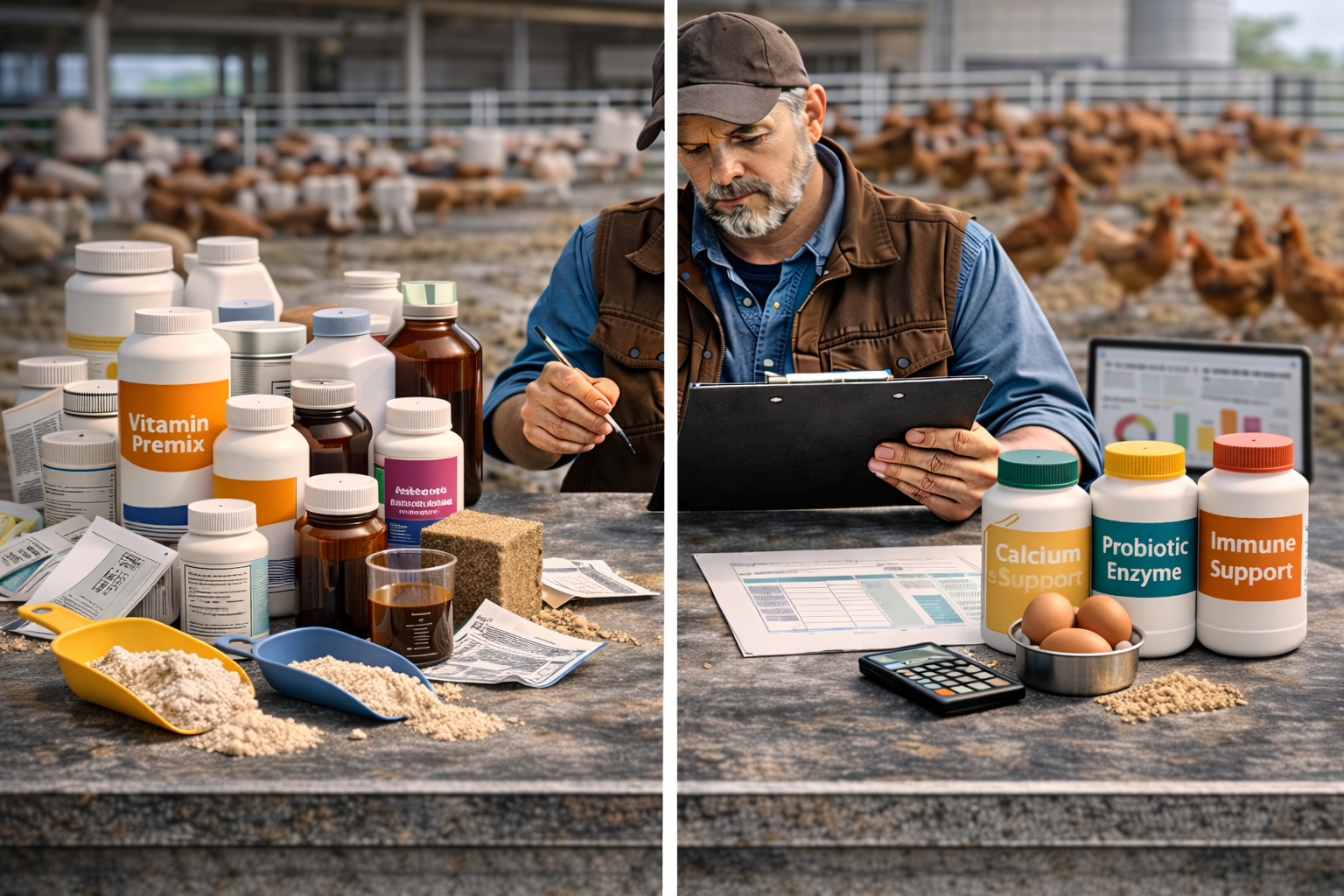
The Path to Peak Poultry Performance
The modern poultry industry operates at the intersection of efficiency, animal welfare, and profitability. Achieving optimal flock performance, whether measured by rapid growth, consistent egg production, robust immunity, or reproductive success, is a multifaceted challenge. While high-quality feed forms the bedrock of any successful poultry operation, it is increasingly clear that basal diets alone may not fully equip flocks to meet their genetic potential or withstand the myriad of challenges they face. This is where the strategic use of poultry feed supplements becomes not just beneficial, but essential. These specialized additives are designed to bridge nutritional gaps, enhance physiological functions, bolster the immune system, and optimize digestive processes, ultimately contributing to healthier, more productive birds and a more sustainable, profitable enterprise.
This comprehensive guide delves into the critical role of feed supplements in modern poultry farming. We will explore what truly defines peak performance, the foundational nutritional components essential for flock health, the sophisticated mechanisms by which gut health enhancers and immune boosters operate, and how to tailor supplementation strategies to the unique demands of different poultry types. By understanding the science and application of these vital tools, poultry farmers can unlock the full potential of their flocks, ensuring robust health and sustained productivity. The global poultry feed market itself is a testament to this, having crossed USD 213 billion in 2023 and projected to grow at around 6.1% CAGR between 2024 and 2032 [source: VertexAI Search, March 2024]. This significant market size underscores the industry’s commitment to optimizing nutrition, with feed supplements playing an increasingly pivotal role, as indicated by the global poultry feed supplements market being valued at approximately USD 3.1 billion in 2023 and projected to reach USD 5.3 billion by 2030, growing at a CAGR of 5.5% [source: DataHorizzon Research, July 2024].
Defining Peak Performance in Poultry
 Peak performance goals vary significantly depending on the type of poultry, from efficient growth in broilers to high egg quality in layers.
Peak performance in poultry is not a monolithic concept but rather a spectrum of optimal expression based on genetic potential, breed, age, production purpose, and environmental conditions. For broilers, peak performance equates to rapid, efficient weight gain, superior meat yield, and excellent feed conversion ratio (FCR). This means birds reaching market weight quickly with minimal feed input, a critical factor given that feed accounts for the majority—often 65–70%—of total poultry production costs [source: Catalex Bio, November 2025]. For laying hens, peak performance involves sustained, high rates of egg production with excellent egg quality, characterized by strong eggshells and optimal internal components. Reproductive flocks aim for peak performance through high fertility rates, successful hatchability, and the production of healthy offspring. Across all types, a fundamental component of peak performance is robust health, characterized by a strong immune system, low morbidity and mortality rates, and resilience to environmental and disease challenges. Ultimately, peak performance signifies the bird operating at its physiological best, maximizing its genetic destiny while ensuring its well-being.
Why Supplements are Critical for Robust Flocks in Modern Poultry Farming
The intensification of poultry production, driven by the need to meet global protein demands, has introduced new complexities. Modern genetic selection has led to birds with significantly increased growth rates and egg-laying capacities. While remarkable, these advancements place unprecedented metabolic demands on the birds, demands that can be difficult to meet solely through conventional feed formulations. Furthermore, the controlled environments of modern farms, while designed for efficiency, can also introduce stressors such as heat, overcrowding, and the constant need for disease prevention. Basic feed provides essential nutrients, but targeted supplements are crucial for several reasons:
- Bridging Nutritional Gaps: Modern breeding programs can increase nutrient requirements beyond what standard feed formulations can economically provide. Supplements ensure these elevated needs are met.
- Enhancing Nutrient Utilization: Supplements can improve the digestion and absorption of nutrients from the feed, making the entire diet more effective.
- Mitigating Stress: Environmental, social, and disease-related stressors can negatively impact bird health and productivity. Supplements can bolster coping mechanisms and reduce the physiological toll of stress.
- Supporting Immune Function: A robust immune system is the first line of defense against disease. Specific supplements can strengthen this system, leading to reduced reliance on antibiotics and fewer disease outbreaks.
- Optimizing Specific Physiological Processes: From eggshell formation to muscle development, supplements can directly support critical functions that define performance.
The poultry feed supplements market is a significant and growing sector, reflecting this increasing reliance on specialized nutrition. The Asia-Pacific region, for instance, held the largest share with 35% of the overall poultry feed additives market in 2021, driven by the soaring intake of poultry meat and increasing demand for micro-nutrients [source: IndustryARC, 2022-2027 Report]. This underscores the global trend towards more sophisticated feed management.
Beyond Basic Feed: The Role of Targeted Supplementation
While a complete and balanced feed ration is non-negotiable, targeted supplementation moves beyond merely meeting basic nutrient requirements to actively enhancing the bird’s physiological capabilities. It’s about optimizing the complex interplay of nutrients, gut function, and immune response to achieve superior outcomes. This strategic approach acknowledges that different life stages, production phases, and environmental conditions impose distinct nutritional and physiological pressures. Therefore, a one-size-fits-all feed is often insufficient. Targeted supplementation allows farmers to:
- Fine-tune nutrition: Provide specific nutrients in the precise amounts needed at critical times, such as during rapid growth or peak laying periods.
- Address specific challenges: Counteract the effects of heat stress, mycotoxins, or disease challenges with tailored nutritional support.
- Improve feed conversion: Ensure that every unit of feed consumed contributes maximally to growth or egg production, reducing waste and increasing profitability.
- Enhance animal welfare: By promoting better health and reducing stress, supplements contribute to a higher quality of life for the birds.
The growing market for poultry feed supplements, with a global valuation around USD 3.1 billion in 2023 projected to reach USD 5.3 billion by 2030 [source: DataHorizzon Research, July 2024], signifies a paradigm shift towards proactive, science-based nutritional management.
The Core Building Blocks: Essential Nutritional Supplements
At the heart of robust poultry health and performance lie the fundamental nutrients that form the basis of all biological processes. While a balanced poultry feed aims to provide these, supplementation ensures they are present in optimal quantities to support peak physiological function, especially under the demands of modern production systems.
Vitamins: Powering Growth, Immunity, and Reproduction
Vitamins are organic compounds required in small quantities for vital metabolic processes. They act as coenzymes, regulators, and antioxidants, playing indispensable roles in everything from skeletal development and immune response to reproduction and energy metabolism.
- Fat-Soluble Vitamins:
- Vitamin A: Crucial for vision, growth, epithelial cell integrity, and immune function. Deficiency can lead to poor growth, respiratory issues, and reduced hatchability.
- Vitamin D3: Essential for calcium and phosphorus absorption, vital for bone development and eggshell formation. A sufficient level of Vitamin D3 is paramount for laying hens; even with adequate calcium in the feed, birds cannot utilize it effectively without sufficient Vitamin D3 [source: Kalmbach Feeds]. Deficiency results in rickets, leg weakness, and poor eggshell quality.
- Vitamin E: A potent antioxidant, it protects cell membranes from oxidative damage, supports immune function, and is crucial for reproduction. It often works synergistically with selenium.
- Vitamin K: Essential for blood clotting and bone metabolism.
- Water-Soluble Vitamins:
- B-Complex Vitamins (Thiamine, Riboflavin, Niacin, Pantothenic Acid, Pyridoxine, Biotin, Folic Acid, Vitamin B12): These are integral to energy metabolism, protein synthesis, and cellular function. Deficiencies can manifest as poor growth, neurological signs, anemia, and reproductive failures. For example, Biotin is critical for fat metabolism and feathering, while Folic Acid and Vitamin B12 are vital for DNA synthesis and red blood cell formation.
- Vitamin C: While poultry can synthesize Vitamin C, under conditions of stress or disease, endogenous production may become insufficient. It acts as an antioxidant and supports immune function.
Supplementation with vitamins is particularly important during periods of stress, rapid growth, or high production demands when physiological requirements may exceed dietary provision.
Minerals: The Unsung Heroes of Physiological Processes
Minerals, both macrominerals and trace minerals, are inorganic elements that serve a vast array of critical functions in poultry. They are fundamental for skeletal structure, enzymatic activity, fluid balance, nerve impulse transmission, and immune defense.
- Macrominerals:
- Calcium (Ca): Arguably the most crucial mineral for laying hens, calcium is the primary component of eggshells. A hen can deposit up to 2 grams of calcium into an eggshell daily. Maintaining adequate blood calcium levels is vital for shell quality and preventing shell-less eggs. Deficiency leads to thin, fragile eggshells, increasing breakage and economic losses. Vitamin D3 plays a critical role in its absorption.
- Phosphorus (P): Works in conjunction with calcium for bone formation and is essential for energy metabolism and numerous enzymatic reactions. It’s important to maintain the correct Ca:P ratio in the diet.
- Sodium (Na) and Chloride (Cl): These electrolytes are vital for maintaining fluid balance, osmotic pressure, and nerve function. They are particularly important during heat stress when birds increase water consumption and lose electrolytes through panting.
- Potassium (K): Another key electrolyte involved in fluid balance, nerve transmission, and muscle function.
- Magnesium (Mg): Involved in over 300 enzymatic reactions, including energy production, muscle and nerve function, and bone development.
- Trace Minerals (Microminerals): Required in much smaller amounts but equally critical.
- Zinc (Zn): Acts as a cofactor for over 70 enzymes involved in growth, immunity, wound healing, and keratinization (feather and skin formation).
- Copper (Cu): Essential for enzyme systems involved in iron metabolism, connective tissue formation, and pigment production.
- Iron (Fe): Critical for hemoglobin formation, oxygen transport, and immune function.
- Manganese (Mn): Plays a role in bone formation, enzyme activation (e.g., carbohydrate and fat metabolism), and reproductive function.
- Selenium (Se): A vital component of antioxidant enzymes (e.g., glutathione peroxidase) and works synergistically with Vitamin E to protect cells from oxidative damage. Crucial for immune function and reproductive health.
- Iodine (I): Essential for the synthesis of thyroid hormones, which regulate metabolism and growth.
Ensuring adequate mineral levels through supplementation is key to preventing skeletal disorders, metabolic imbalances, and supporting overall flock vitality.
Amino Acids: The Foundation of Protein Synthesis
Proteins are the building blocks of tissues, enzymes, hormones, and antibodies. They are composed of amino acids. While poultry feed typically contains protein sources, the focus must be on the essential amino acids – those that birds cannot synthesize themselves and must obtain from their diet. Supplementing with specific essential amino acids, particularly the limiting ones, is crucial for optimizing protein synthesis and achieving desired performance goals.
- Essential Amino Acids: Lysine, Methionine, Threonine, Tryptophan, Valine, Histidine, Phenylalanine, Arginine, and Isoleucine.
- Limiting Amino Acids: Lysine and Methionine are often the first and second limiting amino acids in poultry diets, respectively. This means that their availability dictates how efficiently other amino acids can be used for protein synthesis.
- Lysine: Essential for muscle development, feather formation, and egg production. Adequate lysine ensures broilers achieve optimal growth and layers maintain production.
- Methionine: Crucial for feathering, egg production, and as a precursor for cystine. It also plays a role in fat metabolism.
- Threonine: Important for gut health, immune function, and feathering.
Supplementing with synthetic amino acids allows for precise formulation of diets, reducing the reliance on high-protein feedstuffs and improving the overall amino acid balance. This is especially beneficial in broiler diets, where rapid growth demands precise nutrient delivery. The broilers segment leads the poultry feed market with around 71.0% of market share in 2024 [source: Mordor Intelligence, 2024], highlighting the importance of supplements tailored for rapid growth and efficient meat production.
Optimizing the Engine: Gut Health and Digestive Enhancers
A healthy and efficient digestive system is paramount for maximizing nutrient absorption and overall flock performance. The gut is not merely a conduit for food; it is a complex ecosystem teeming with microorganisms that play a vital role in digestion, immunity, and health. Supplements that enhance gut health and improve digestion are therefore critical for unlocking peak performance.
Probiotics and Prebiotics: Cultivating a Healthy Gut Microflora
The gut microbiome, a complex community of bacteria, yeasts, fungi, and other microorganisms, significantly impacts a bird’s health. A balanced microbiome supports nutrient breakdown, synthesizes certain vitamins, strengthens the gut barrier, and competitively excludes pathogenic bacteria.
- Probiotics: These are live beneficial microorganisms (primarily bacteria and yeasts) that, when administered in adequate amounts, confer a health benefit to the host. They work by:
- Improving the balance of the gut microflora.
- Producing antimicrobial compounds that inhibit pathogen growth.
- Enhancing nutrient digestion and absorption.
- Stimulating the host’s immune system.
- Strengthening the gut barrier function. The poultry sector is a major driver in the global probiotics animal feed market, estimated to have the largest share in 2023 [source: Maximizemarketresearch.com, May 2024]. The global poultry probiotic ingredients market, valued at USD 1.9 billion in 2024 and expected to reach nearly USD 3.0 billion by 2030, growing at a steady CAGR of 6.8%, further emphasizes this trend [source: Strategic Market Research, January 2026].
- Prebiotics: These are non-digestible food ingredients (typically complex carbohydrates like fructans and galactooligosaccharides) that selectively stimulate the growth and activity of beneficial bacteria already residing in the gut. By providing a food source for beneficial microbes, prebiotics help to maintain a healthy gut environment.
The synergistic use of probiotics and prebiotics (synbiotics) can be particularly effective in establishing and maintaining a robust gut ecosystem, contributing significantly to improved feed conversion and disease resistance.
Enzymes: Maximizing Nutrient Digestion
Exogenous enzymes are specific proteins that catalyze biochemical reactions, breaking down complex feed components into simpler, more digestible forms. Their inclusion in poultry feed has become a standard practice, significantly improving nutrient utilization.
- Phytase: Breaks down phytate, an anti-nutritional factor found in grains and oilseeds, releasing bound phosphorus, calcium, and other minerals and amino acids. This reduces the need for inorganic phosphorus supplementation and minimizes phosphorus excretion into the environment.
- Proteases: Break down proteins into smaller peptides and amino acids, improving protein digestibility.
- Carbohydrases (e.g., Amylases, Xylanases, Beta-glucanases): Break down complex carbohydrates like starch, xylan, and beta-glucans, increasing energy availability from grains and reducing digesta viscosity.
- Lipases: Aid in the digestion of fats and oils.
Multi-enzyme supplementation has demonstrated substantial benefits; for instance, it has been shown to increase growth by 10.0% and improve the feed conversion ratio (FCR) by 10.8% in broiler chickens [source: PMC, National Library of Medicine (Attia et al.), 2023]. Enzyme inclusion rates in poultry feed exceed 60% globally, with microbial fermentation technologies contributing significantly to new product development [source: Research Reports World, March 2026]. By enhancing the digestibility of feed ingredients, enzymes directly improve nutrient absorption, leading to better growth, reduced feed costs, and improved feed conversion ratios.
 The poultry feed and supplements markets show significant value and projected growth, highlighting the industry’s focus on optimized nutrition.
Organic Acids: Modulating Gut pH and Inhibiting Pathogens
Organic acids, such as formic acid, propionic acid, acetic acid, and lactic acid, are naturally occurring compounds that can be safely added to poultry feed and water. They exert their beneficial effects through several mechanisms:
- Gut pH Reduction: Organic acids can lower the pH in the crop and gastrointestinal tract. This acidic environment is unfavorable for the growth of many pathogenic bacteria like Salmonella and E. coli, effectively acting as a natural antibiotic.
- Direct Antimicrobial Activity: The undissociated form of organic acids can penetrate bacterial cell membranes, disrupting cellular functions and leading to cell death.
- Improved Digestion: A lower pH in the digestive tract can create a more optimal environment for the activity of certain digestive enzymes.
- Antifungal Properties: Some organic acids, like propionic acid, are effective against mold growth in feed, preventing spoilage and the production of harmful mycotoxins.
By contributing to a healthier gut environment, organic acids reduce the incidence of gut infections, improve nutrient absorption, and contribute to overall flock health and performance.
Fortifying Resilience: Supplements for Immune Support and Stress Management
Poultry are constantly exposed to various stressors, including heat, cold, crowding, changes in feed or water, vaccination, handling, and disease challenges. These stressors can suppress the immune system, increase susceptibility to disease, and negatively impact productivity. Supplements that bolster the immune system and help birds cope with stress are therefore vital for maintaining robust flocks.
Antioxidants: Protecting Cells from Oxidative Stress
Oxidative stress occurs when there is an imbalance between the production of reactive oxygen species (ROS) and the body’s ability to neutralize them with antioxidants. ROS can damage cellular components like DNA, proteins, and lipids, leading to inflammation and cellular dysfunction. Stress, disease, and certain feed ingredients can increase ROS production.
- Key Antioxidants:
- Vitamin E: A primary fat-soluble antioxidant, crucial for protecting cell membranes.
- Vitamin C: A water-soluble antioxidant that regenerates other antioxidants like Vitamin E.
- Selenium: An essential component of antioxidant enzymes like glutathione peroxidase.
- Other Compounds: Flavonoids, carotenoids, and certain plant extracts also possess antioxidant properties.
Supplementing with antioxidants helps birds combat oxidative damage, reducing inflammation, supporting immune cell function, and improving overall resilience to disease and environmental challenges. This is particularly important during periods of heightened stress or disease challenge.
Electrolytes: Restoring Balance During Stress
Electrolytes are minerals that carry an electrical charge when dissolved in body fluids. They are essential for maintaining hydration, nerve impulse transmission, muscle contraction, and acid-base balance. During periods of stress, particularly heat stress, birds lose significant amounts of electrolytes through panting and increased water intake.
- Key Electrolytes: Sodium (Na+), Potassium (K+), and Chloride (Cl-).
- Benefits of Supplementation: Providing supplemental electrolytes can help restore fluid balance, prevent dehydration, maintain blood pH, and support critical physiological functions, thereby mitigating the negative impacts of heat stress and other challenges on growth and production.
Natural Immune Boosters: Harnessing the Power of Nature
Beyond vitamins and minerals, a growing category of supplements utilizes natural compounds known for their immune-modulating and health-promoting properties. These often include:
- Botanical Extracts: Various plant extracts, such as oregano, garlic, turmeric, and echinacea, contain bioactive compounds with antimicrobial, anti-inflammatory, and antioxidant effects.
- Essential Oils: Derived from plants, essential oils can possess antimicrobial and anti-inflammatory properties that support gut health and immune function.
- Nucleotides: These building blocks of DNA and RNA are crucial for rapidly dividing cells, such as those in the immune system and gut lining, supporting their development and function.
- Immune Modulators: Compounds like beta-glucans and mannan-oligosaccharides (MOS), derived from yeast cell walls, can bind to pathogens and stimulate immune responses.
These natural immune boosters offer a holistic approach to enhancing flock resilience, often providing multiple benefits simultaneously and reducing reliance on synthetic additives.
Tailoring Supplementation for Specific Flock Needs
The diverse needs of different poultry types necessitate tailored supplementation strategies. What optimizes growth in broilers might not be ideal for maintaining egg production in layers, and specialty birds have their own unique requirements.
Broilers: Maximizing Growth and Feed Conversion
Broilers are bred for rapid growth and high feed conversion efficiency. Their diets must support swift muscle development and minimal energy expenditure on maintenance.
- Key Focus: Maximizing growth rate and improving feed conversion ratio (FCR). Broilers have a high protein and essential amino acid requirement for muscle synthesis.
- Essential Supplements:
- Lysine and Methionine: Crucial for muscle growth and feathering.
- Digestive Enzymes: To ensure efficient breakdown of feed components, maximizing nutrient absorption and energy utilization. Multi-enzyme supplementation can significantly improve growth by 10.0% and FCR by 10.8% [source: PMC, National Library of Medicine (Attia et al.), 2023].
- Electrolytes and Antioxidants: To manage stress from rapid growth and environmental factors.
- Probiotics/Prebiotics: To maintain gut health, crucial for nutrient absorption and preventing gut pathogens that can hinder growth. Broiler production dominates the poultry feed market, accounting for around 71.0% of market share in 2024 [source: Mordor Intelligence, 2024], making optimized nutrition for this sector paramount.
Layers: Enhancing Egg Production and Eggshell Quality
Laying hens require a different nutritional profile focused on sustained egg production and the synthesis of high-quality egg components, particularly eggshells.
- Key Focus: Sustained high egg production and superior eggshell quality.
- Essential Supplements:
- Calcium and Phosphorus: Absolutely critical for eggshell formation. Adequate calcium and the right Ca:P ratio are paramount. Supplementation with highly available sources of calcium is key.
- Vitamin D3: Essential for calcium absorption and utilization. Without sufficient Vitamin D3, even high calcium intake is ineffective for shell formation [source: Kalmbach Feeds].
- Trace Minerals: Especially Selenium and Zinc, which are involved in egg formation and shell strength.
- Amino Acids: To support the synthesis of egg proteins (albumen).
- B-Vitamins: For energy metabolism required for egg production.
- Antioxidants: To combat oxidative stress associated with high metabolic activity.
Poor eggshell quality, resulting from inadequate calcium or Vitamin D3, can lead to significant economic losses through breakage and downgrading.
Breeders: Supporting Fertility and Hatchability
Breeder flocks have the dual task of maintaining their own health and productivity while also ensuring the viability and development of the next generation.
- Key Focus: Optimizing fertility, hatchability, and the health of progeny.
- Essential Supplements:
- Vitamins A, E, and B-complex: Critical for reproductive function and embryo development.
- Trace Minerals: Selenium, Zinc, and Manganese are particularly important for fertility and hatchability.
- Essential Fatty Acids: For cell membrane integrity and reproductive hormone production.
- Antioxidants: To protect gametes from oxidative damage.
- Amino Acids: To support overall health and reproductive tissue synthesis.
The nutritional status of breeder birds directly impacts the health and performance of the offspring.
Turkeys, Ducks, Geese, Pheasants: Unique Nutritional Considerations
While many principles apply across avian species, some have distinct nutritional requirements:
- Turkeys: Have a faster growth rate than chickens in their early stages and a higher requirement for certain amino acids, particularly methionine, for rapid feather development and growth. Their requirements for certain vitamins and minerals may also differ.
- Ducks and Geese: Tend to have a higher requirement for niacin (Vitamin B3) compared to chickens, especially if their diet relies heavily on corn. They also have higher requirements for certain minerals like iron, particularly for egg production. Their robust immune systems are well-suited for pasture, but specific nutritional support may be needed in confinement.
- Pheasants and Game Birds: Often have unique requirements for specific vitamins and trace minerals that may not be fully met by standard poultry rations, especially in commercial formulations designed for chickens. Their diets must support feather quality, camouflage, and the rigors of their natural environment or specialized farming conditions.
Understanding these species-specific differences is crucial for developing effective supplementation programs that optimize health and performance in these diverse avian populations.
Beyond the Basics: Advanced and Strategic Supplementation Approaches
Achieving truly peak performance goes beyond simply adding individual supplements. It involves understanding how these components interact, adopting a proactive health strategy, and continuously monitoring and adjusting the program based on flock performance.
The Synergy of Supplements: How Different Components Work Together for Peak Performance
The effectiveness of supplementation often lies in the synergistic interactions between different nutrients and additives.
- Vitamin D3 and Calcium for Eggshells: Vitamin D3 is indispensable for calcium absorption. Without adequate D3, even high calcium levels will not translate to strong eggshells.
- Selenium and Vitamin E as Antioxidants: These work in tandem to protect cells from oxidative damage, providing a more robust defense than either alone.
- Probiotics and Organic Acids for Gut Health: Probiotics introduce beneficial bacteria, while organic acids create an environment that favors their growth and inhibits pathogens, leading to a more profoundly healthy gut ecosystem.
- Amino Acids and Energy for Growth: Sufficient amino acids are needed for protein synthesis, but they must be efficiently utilized. This requires adequate energy supply and proper gut function, often enhanced by enzymes and probiotics.
Recognizing these interdependencies allows for the creation of more potent and effective supplementation protocols that deliver comprehensive benefits.
Proactive vs. Reactive Supplementation: Building Robust Health from the Start
Traditionally, supplementation has sometimes been viewed reactively – adding electrolytes during a heatwave or immune boosters when disease strikes. A more effective strategy is proactive:
- Building a Strong Foundation: Consistently supporting gut health and immune function through daily supplementation (probiotics, prebiotics, antioxidants, essential vitamins and minerals) builds a flock’s inherent resilience.
- Preventing Issues: A robust immune system and healthy gut are less susceptible to challenges, reducing the likelihood of disease outbreaks and performance dips.
- Long-Term Benefits: Proactive supplementation fosters sustained health and productivity, leading to more consistent economic returns and better animal welfare over the long term.
- Reduced Reliance on Treatments: By preventing health issues, the need for therapeutic interventions, including antibiotics, is minimized.
This proactive approach transforms supplementation from a crisis management tool into a strategic investment in flock health and farm profitability.
Monitoring and Adjustment: Key to Effective Supplementation
Even the best supplementation program requires ongoing monitoring and adjustment to remain effective.
- Performance Metrics: Track key indicators like feed intake, body weight gain, feed conversion ratio, egg production, eggshell quality, mortality rates, and clinical signs of health.
- Environmental Factors: Monitor temperature, humidity, ventilation, and stocking density, as these directly influence stress levels and nutrient needs.
- Health Status: Observe flock behavior, feathering, and droppings for any signs of intestinal upset or illness.
- Data Analysis: Regularly analyze performance data to identify trends and areas for improvement.
- Adaptation: Adjust the type and level of supplements based on the data, environmental conditions, and specific challenges encountered. For example, increasing electrolyte supplementation during prolonged heat waves or adjusting amino acid levels based on growth performance.
This continuous feedback loop ensures that the supplementation strategy remains aligned with the flock’s evolving needs, maximizing its effectiveness and return on investment.
Conclusion: A Holistic Approach to Robust Flocks
The journey to unlocking peak performance in poultry is intricately linked to optimizing nutrition, and essential feed supplements are indispensable allies in this endeavor. From providing the fundamental building blocks of vitamins, minerals, and amino acids to enhancing gut health, fortifying the immune system, and managing stress, supplements empower farmers to meet the sophisticated demands of modern poultry production.
Recap of Essential Supplements for Peak Performance
The cornerstone of any successful supplementation program lies in addressing core nutritional needs. This includes ensuring adequate levels of vitamins like Vitamin D3 for calcium metabolism and antioxidants such as Vitamin E and selenium to combat stress. Minerals, particularly calcium for eggshell integrity, are non-negotiable. Precise amino acid profiles are crucial for efficient protein synthesis, supporting rapid growth in broilers and sustained production in layers. Furthermore, optimizing gut health through probiotics, prebiotics, enzymes, and organic acids is vital for nutrient absorption and disease prevention, directly impacting feed conversion. Finally, bolstering the immune system and providing electrolytes are key to managing stress and ensuring flock resilience, while specific considerations are needed for species like turkeys.
The Long-Term Benefits of Strategic Supplementation for Animal Welfare and Profitability
Implementing a strategic, holistic supplementation program yields significant long-term benefits. By promoting robust health, improved feed efficiency, and enhanced disease resistance, these supplements contribute directly to increased profitability. Reduced mortality rates and improved FCR mean less waste and greater output. Equally important are the animal welfare advantages; healthier birds experience less stress and disease, leading to a better quality of life. This dual benefit of improved economics and enhanced welfare aligns with the growing consumer and regulatory demand for sustainable and ethical food production. The significant and growing market for poultry feed supplements, projected to reach USD 5.3 billion by 2030 [source: DataHorizzon Research, July 2024], reflects a global industry recognizing these multifaceted advantages.
Empowering Poultry Farmers to Unlock Their Flock’s Full Potential
Ultimately, the effective use of poultry feed supplements is about empowering farmers with the tools and knowledge to maximize their flock’s genetic potential. It requires a commitment to understanding nutritional science, tailoring strategies to specific flock needs, and embracing a proactive, data-driven approach. By integrating essential vitamins, minerals, amino acids, gut health enhancers, and immune support compounds into their feeding programs, poultry farmers can cultivate more robust, productive, and healthy flocks, securing a more sustainable and prosperous future for their operations. The pursuit of peak performance is an ongoing journey, one that is significantly enriched and enabled by the intelligent application of feed supplementation.