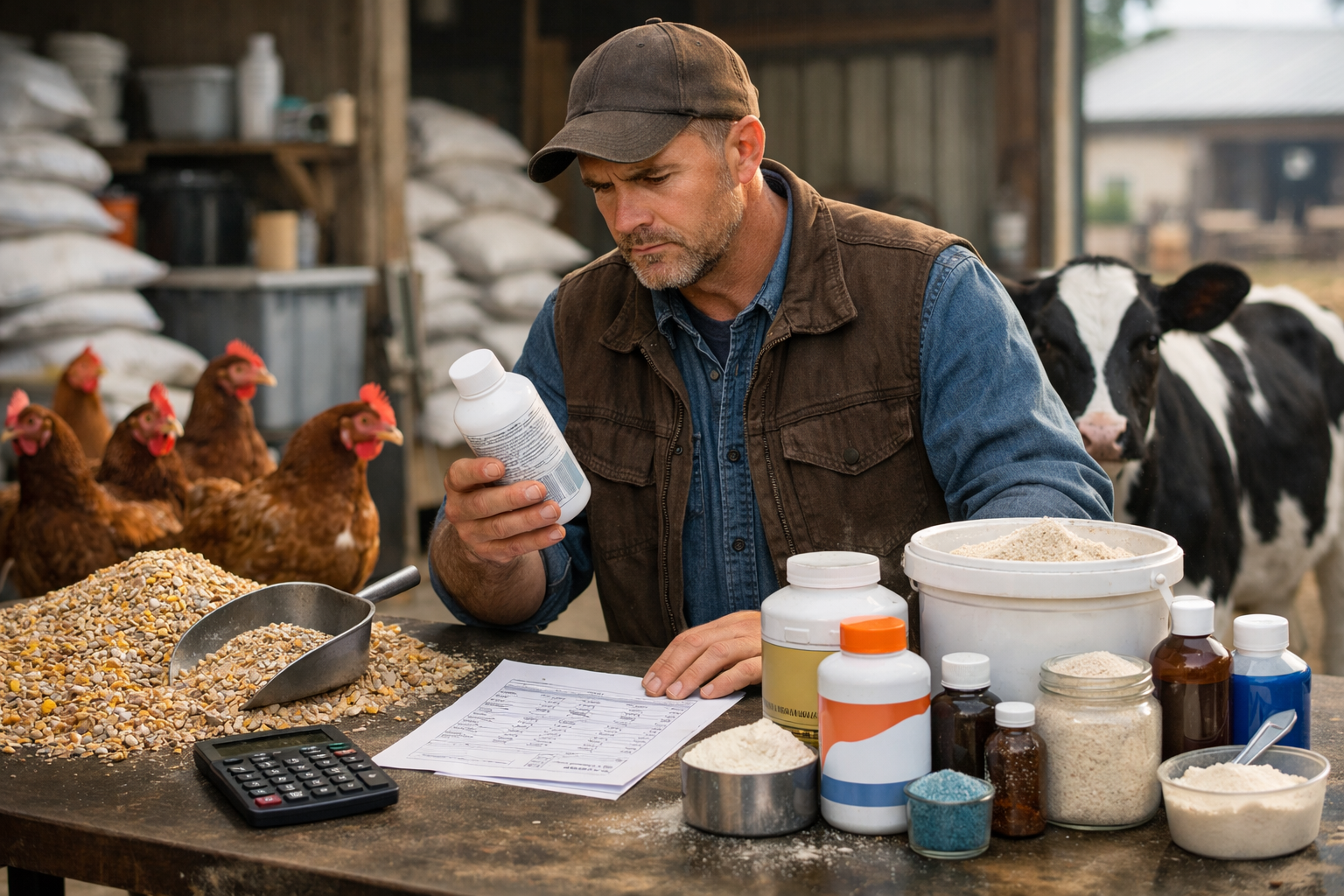
Animal feed supplements are concentrated sources of nutrients or functional ingredients added on top of the basic ration to support health, productivity and feed efficiency in livestock and poultry. They are distinct from technological feed additives (such as preservatives and flavorings) in that their primary role is to fill nutritional gaps or enhance physiological functions like immunity, gut health and metabolism.
When used correctly, supplements can improve growth performance, milk yield, egg production, feed conversion ratio (FCR), product quality and resilience to stress; when used poorly, they waste money and may even impair performance. This guide explains what supplements are, when they make sense, how to choose them species‑by‑species, and how to avoid the most common purchasing and usage mistakes.
Quick Answer: What Are Animal Feed Supplements for Livestock and Poultry?

Key points in brief
1. What Animal Feed Supplements Actually Are
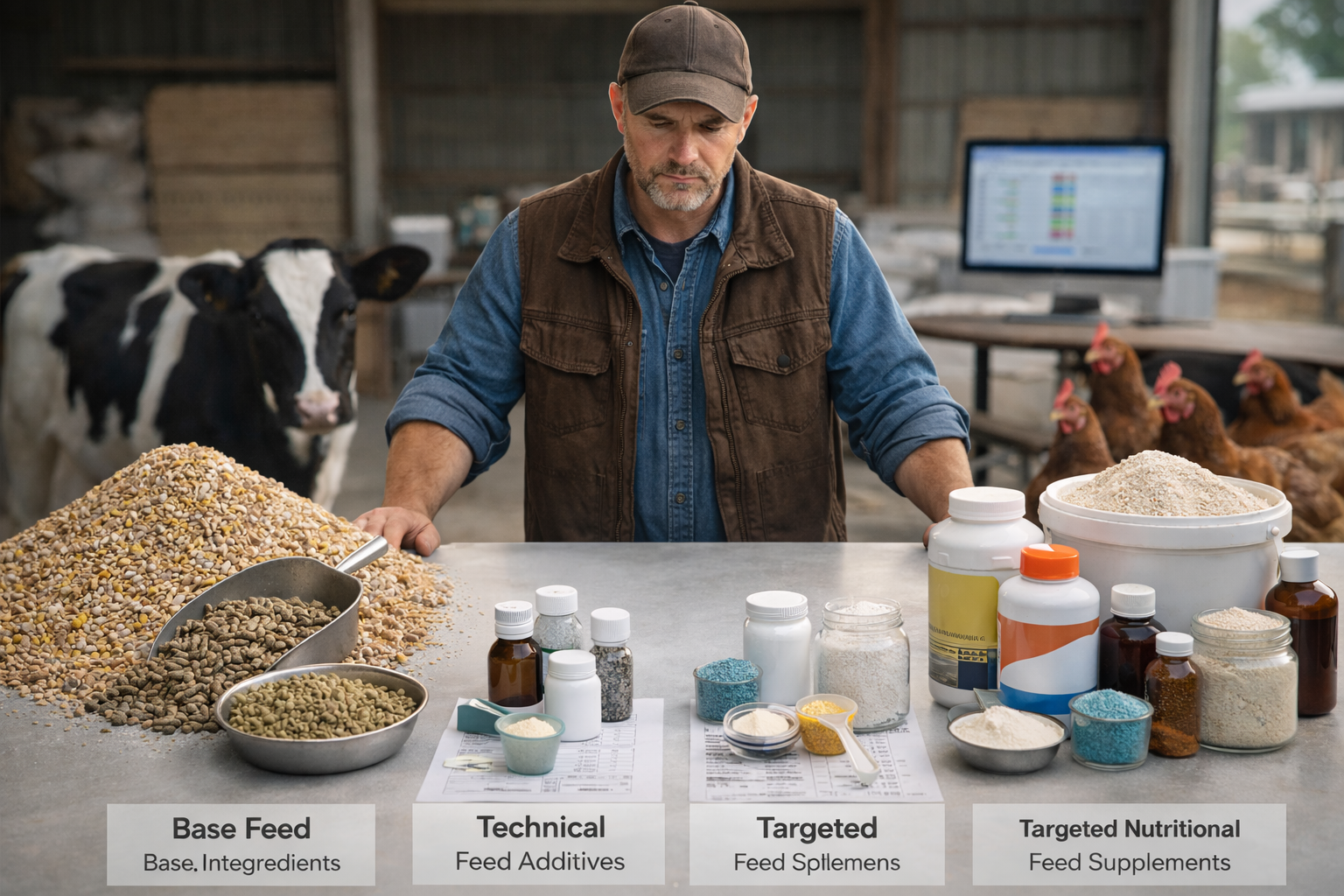
1.1 Supplements vs. feed additives
Regulatory frameworks distinguish “feed additives” as any substances added to feed for technological, sensory, nutritional or zootechnical functions, including preservatives, flavors, vitamins, enzymes and microorganisms. In practice, farmers and nutritionists often use “feed supplements” to refer specifically to nutritional or functional additive products supplied separately from the base compound feed or forage and dosed according to animal needs.
Technological additives (for example, antioxidants, binders or mold inhibitors) are mainly there to stabilize feed, not directly to correct animal deficiencies. Nutritional supplements, in contrast, are designed to deliver specific nutrients or bioactive compounds at known concentrations to the animal, such as vitamin–mineral premixes, amino acids, probiotics or phytogenic blends.
1.2 Nutritional support vs. therapeutic claims
Nutritional supplements are formulated to support normal physiological functions and productivity by ensuring adequate nutrient supply or modulating digestion and metabolism. They are not medicines and should not be marketed as cures for diseases; where disease treatment or prevention is claimed, products may fall under veterinary medicinal regulations rather than feed law.
Many phytogenic and probiotic products, for example, are documented to improve gut health, immune function and performance markers in poultry and swine, but their effects are typically described as supportive rather than curative. Buying decisions should therefore be based on realistic performance benefits and sound nutrition strategy, not on drug‑like promises.
1.3 Where supplements fit in a feeding program
In modern animal production, a feeding program usually has three layers:
- Base ration: Forages, grains and by‑products providing most energy and protein.
- Formulated feed or TMR: Balanced for major nutrients (energy, crude protein, fiber) using least‑cost formulation tools.
- Supplements and additives: Fine‑tuning layer that adjusts micronutrients, improves digestion or targets specific goals like immunity, reproduction or product quality.
Research on non‑traditional feed resources (such as Azolla, microalgae, yeasts and agricultural by‑products) shows that supplements are increasingly used to unlock the value of alternative raw materials while maintaining performance and health. In this context, supplements are tools to make diverse feed resources behave more like precision diets.
1.4 Why “more” is not always better
Both macro‑ and micro‑nutrients have optimal ranges, and oversupplying vitamins, minerals or bioactives does not linearly increase performance and may even be detrimental or uneconomic. Controlled studies on vitamin premix levels in broiler finisher diets, for example, show that excessive levels beyond requirements do not improve growth, immune competence or bone characteristics compared with well‑balanced inclusion rates.
Similarly, many phytogenic and probiotic products display dose‑dependent responses, where moderate inclusion improves gut health and performance but higher doses offer no additional benefit and only increase cost. Effective supplementation therefore means matching inclusion rate and product type to real needs rather than “stacking” multiple high‑dose products without a clear rationale.
2. Why Farmers Use Feed Supplements
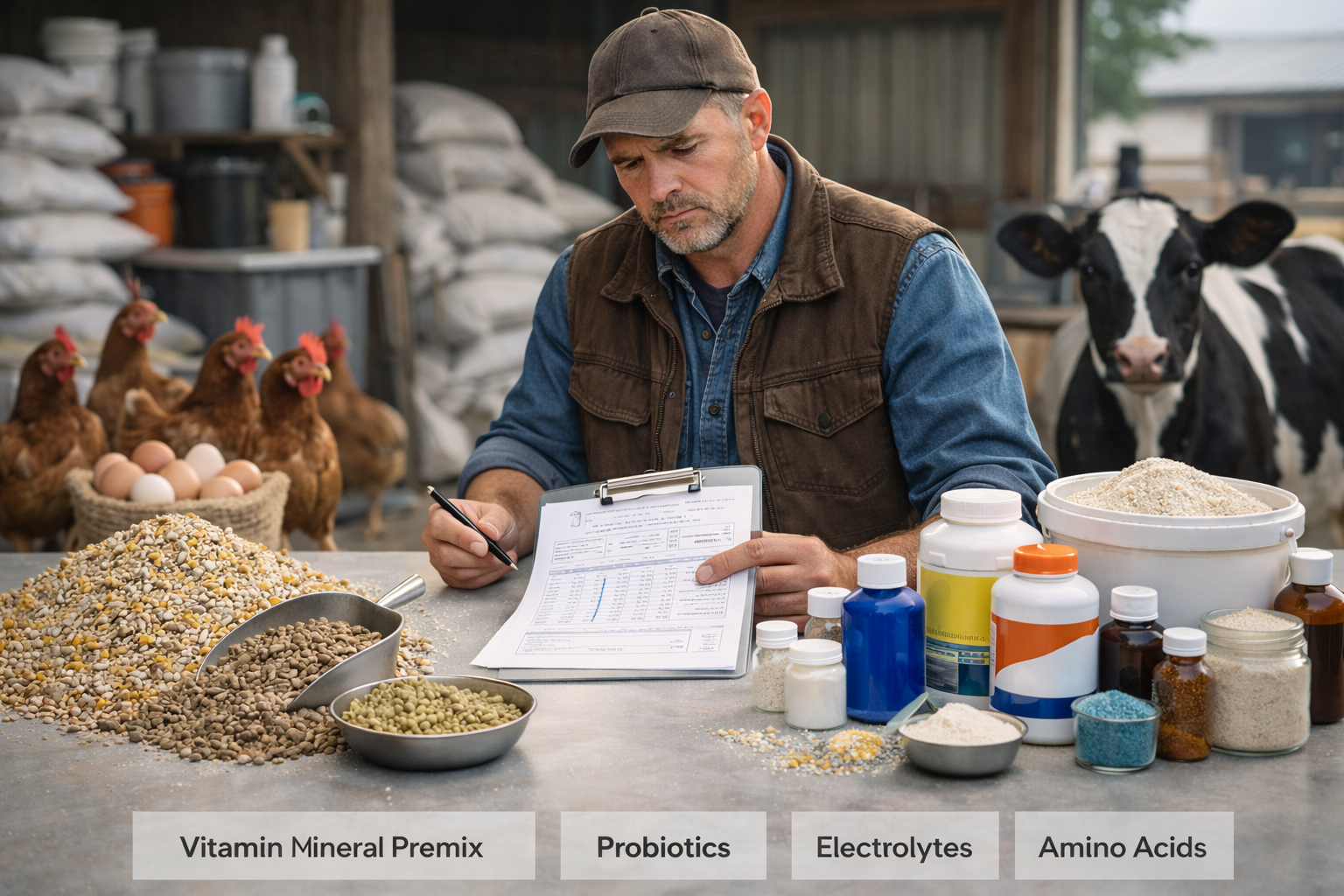
Farmers and integrators typically use supplements to achieve well‑defined production and health objectives rather than as generic “insurance.” Common goals include the following.
2.1 Improving growth and feed conversion
Nutritional and functional supplements can enhance nutrient digestibility, gut function and metabolic efficiency, leading to better growth rates and FCR in broilers, pigs and young ruminants. Enzymes such as phytase and carbohydrases release nutrients from plant cell walls and phytate, while probiotics and yeast cultures stabilize intestinal microbiota and improve feed utilization.
Studies on single‑cell proteins (for example, Saccharomyces cerevisiae biomass) demonstrate that replacing part of conventional protein sources with microbial protein can improve feed efficiency and health in poultry and livestock when properly formulated.
2.2 Supporting milk yield and milk production efficiency
In dairy cattle, properly formulated supplements that adjust protein degradability, provide specific minerals and improve rumen function can increase milk yield and feed efficiency compared with total mixed ration (TMR) alone. One controlled trial reported that cows receiving combination supplements achieved around 20 percent higher milk yield and improved milk production efficiency versus unsupplemented TMR, mainly due to better nutrient utilization.
2.3 Enhancing egg production and shell quality
Laying hens have high requirements for calcium, phosphorus, vitamin D and trace minerals involved in shell formation and reproductive function. Vitamin–mineral premixes formulated for layers help maintain egg output, shell strength and reproductive health, especially in intensive systems where birds cannot self‑select mineral sources.
Gut‑active supplements such as probiotics and phytogenics can further support nutrient absorption, intestinal health and immune competence, indirectly contributing to better laying performance and egg quality.
2.4 Supporting immunity and gut health
Botanical feed additives, essential oils and other phytogenic products are increasingly used as alternatives or complements to antibiotic growth promoters in poultry and swine because of their antimicrobial, antioxidant and immunomodulatory properties. They can improve intestinal integrity, modulate microbiota, enhance antioxidant status and up‑regulate genes related to nutrient transport and immunity, resulting in better health and performance under commercial conditions.
Probiotics, prebiotics and yeast‑based products similarly support gut barrier function and resilience against enteric challenges, which is crucial in high‑density production and during feed or environmental stress.
2.5 Improving fertility and reproduction
Reproductive performance in dairy cows, beef cattle and breeding poultry is sensitive to deficiencies or imbalances in trace minerals such as selenium, zinc, copper, manganese and iodine, as well as vitamins A, E and certain B‑complex vitamins. Well‑designed mineral–vitamin programs help support estrous cycles, conception rates, embryo survival and semen quality, although responses depend on baseline status and overall management.
2.6 Reducing stress and supporting resilience
Heat stress, transport, vaccination, disease outbreaks and feed changes all increase oxidative and physiological stress, often depressing intake and performance. Electrolyte solutions, antioxidants, certain vitamins (for example, C and E) and plant extracts are used to maintain hydration, acid–base balance and antioxidant capacity, helping animals better tolerate high temperatures and other challenges.
2.7 Making better use of alternative feed resources
Non‑traditional feedstuffs such as Azolla, microalgae, banana by‑products and various agricultural residues can reduce feed costs and environmental impact but often need supplementary nutrients or enzymes to reach their full potential. Research shows that integrating these ingredients with appropriate supplements can improve growth, FCR, egg and milk production while lowering feed cost per unit of output, reinforcing their value as climate‑smart feed resources.

Custom Feed Supplement Solution
3. Main Types of Animal Feed Supplements
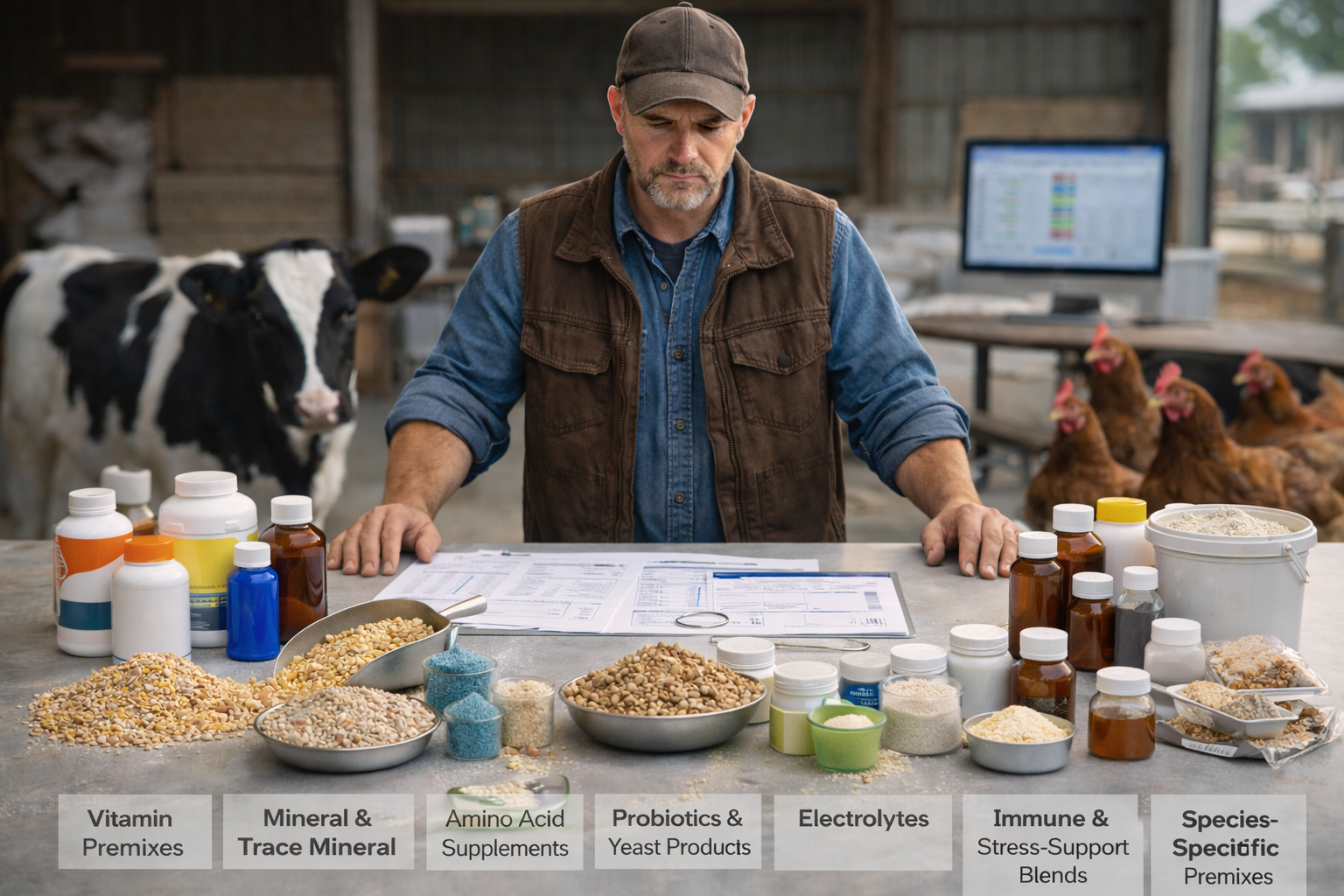
This section groups supplements into practical categories based on function and typical use cases in livestock and poultry.
3.1 Vitamin supplements and premixes
Vitamin supplements supply fat‑soluble vitamins (A, D, E, K) and water‑soluble B‑vitamins in concentrated form, usually as premixes designed to be incorporated into complete feeds at low inclusion rates. They are essential for vision, skeletal growth, immune function, energy metabolism and reproductive performance, and deficiencies can quickly impair productivity.
Balanced vitamin premixes for poultry and livestock improve performance, immunity and feed utilization when basal ingredients are low or variable in vitamin content. For example, typical poultry premixes specify target inclusion ranges for vitamin A, D3 and E to support growth and eggshell strength, with stability protected by antioxidants and controlled particle size.
3.2 Mineral and trace mineral supplements
Mineral supplements provide macro‑minerals (such as calcium, phosphorus, magnesium, sodium) and trace elements (such as zinc, copper, manganese, selenium, iodine and cobalt) needed for bone development, enzyme systems, immune function, reproduction and production. They are offered as loose mineral mixes, blocks/licks, or integrated premixes customized for species and production stage.
In dairy cows, inadequate mineral supply contributes to metabolic disorders, poor fertility and reduced milk yield, so mineral programs are central to herd nutrition strategies. In poultry, mineral premixes for layers target calcium and phosphorus balance, trace mineral needs and vitamin D levels to maintain egg shell quality and skeletal health.
3.3 Amino acid supplements
Synthetic amino acids such as lysine, methionine and threonine allow nutritionists to reduce crude protein levels while meeting essential amino acid requirements, improving nitrogen efficiency and performance, particularly in monogastric species. They are usually added through premixes or directly at the feed mill rather than as on‑farm products, but for breeding operations or small feed mills, amino acid concentrates are sometimes used as stand‑alone supplements.
Amino acid balancing is especially critical in pigs and poultry, where growth and feed efficiency respond strongly to lysine and methionine supply, and where tight environmental regulations can make crude protein reduction desirable.
3.4 Protein and energy supplements
Protein supplements include high‑quality oilseed meals, single‑cell proteins, microalgae and certain by‑product feeds used strategically to raise protein density and improve amino acid profile. Energy supplements such as protected fats or high‑energy by‑products are used in dairy cows and high‑performing animals to increase energy intake without excessive starch or bulk.
Microalgae like Chlorella vulgaris and aquatic plants like Azolla offer rich protein, fatty acid, vitamin and mineral profiles and have been shown to enhance growth performance, nutrient digestibility and product quality when included at appropriate levels in different species.
3.5 Probiotic, prebiotic and postbiotic products
Probiotics are live microorganisms (for example, Lactobacillus, Bacillus, yeast) that confer health benefits when administered in adequate amounts, mainly by modulating the gut microbiota and improving gut barrier function. Prebiotics are non‑digestible substrates that selectively feed beneficial microbes, while postbiotics refer to non‑viable microbial cells or metabolites that can also exert functional effects.
In poultry and swine, probiotic and synbiotic supplements have been widely reviewed as tools to improve performance, nutrient digestibility and immune function and to reduce reliance on antibiotic growth promoters. In ruminants, yeast cultures and mixed microbial products help stabilize rumen pH, improve fiber digestion and support milk production and health.
3.6 Enzyme‑based supplements
Enzyme supplements supply exogenous enzymes such as phytase, xylanase, beta‑glucanase and protease to break down anti‑nutritional factors and increase nutrient availability in plant‑based feeds. Phytase releases phosphorus bound in phytate, reducing the need for inorganic phosphorus and lowering environmental phosphorus excretion, while carbohydrases improve energy extraction from cereals and by‑products.
Enzyme supplementation is particularly valuable in poultry and swine diets rich in grains and plant proteins and in formulations using high levels of alternative ingredients or by‑products. In ruminants, enzymes and fibrolytic additives are sometimes applied to forages or TMR to enhance fiber digestibility and intake.
3.7 Liver and metabolism support products
Certain supplements include choline, methionine donors, specific vitamins, antioxidants and botanical extracts aimed at supporting liver function, fat metabolism and antioxidant status, especially in high‑yielding dairy cows around calving and in fast‑growing poultry. While evidence for specific proprietary blends varies, the general concept of supporting metabolic organs during high challenge periods is consistent with the recognized role of nutrients such as choline and vitamin E in lipid metabolism and oxidative stress control.
3.8 Electrolyte and hydration supplements
Electrolyte products supply sodium, potassium, chloride, bicarbonate precursors and sometimes glucose or other osmolytes to support hydration and acid–base balance during heat stress, transport, diarrhea or other fluid‑loss situations. They are commonly used in poultry via drinking water during hot weather or in calves and pigs during digestive upsets, alongside good management and veterinary care.
3.9 Calcium and phosphorus support systems
Dedicated calcium–phosphorus supplements or high‑calcium mineral mixes are widely used in layers and dairy cows to support eggshell formation and skeletal and metabolic health. In poultry, these often combine coarse calcium sources for sustained shell formation with bioavailable phosphorus and vitamin D3 to enable proper absorption and metabolism.
In ruminants, transition‑cow supplements may include anionic salts, calcium and magnesium to help prevent milk fever and related disorders, though such products must be integrated carefully into the overall dietary cation–anion balance strategy.
3.10 Immune and stress‑support blends
Herbal blends, antioxidant mixes, beta‑glucans, nucleotides and specific vitamins are marketed to enhance general immunity and stress tolerance. Reviews of phytogenic additives and botanical nutraceuticals in poultry show that these products can enhance antioxidant enzyme activity, modulate immune gene expression and improve resistance to certain stressors, though responses are sometimes inconsistent depending on formulation, dose and farm conditions.
3.11 Rumen‑supportive and bypass nutrition supplements
Ruminant‑specific supplements include buffers, live yeasts, rumen‑protected amino acids and fats, and bypass starch or protein sources designed to optimize rumen fermentation and supply nutrients directly to the small intestine. These products help stabilize rumen pH, improve fiber digestion and increase the supply of metabolizable protein and energy for milk production and growth.
3.12 Species‑specific premixes and concentrates
Commercial premixes for broilers, layers, dairy cows, beef cattle, sheep, goats and swine bundle vitamins, minerals and sometimes additives into species‑ and stage‑specific packages with defined inclusion rates. They simplify formulation, reduce micro‑ingredient handling errors and improve nutrient homogeneity in feed, provided they are chosen and dosed correctly for the target species and production level.
4. Species‑by‑Species Supplement Guide
4.1 Poultry
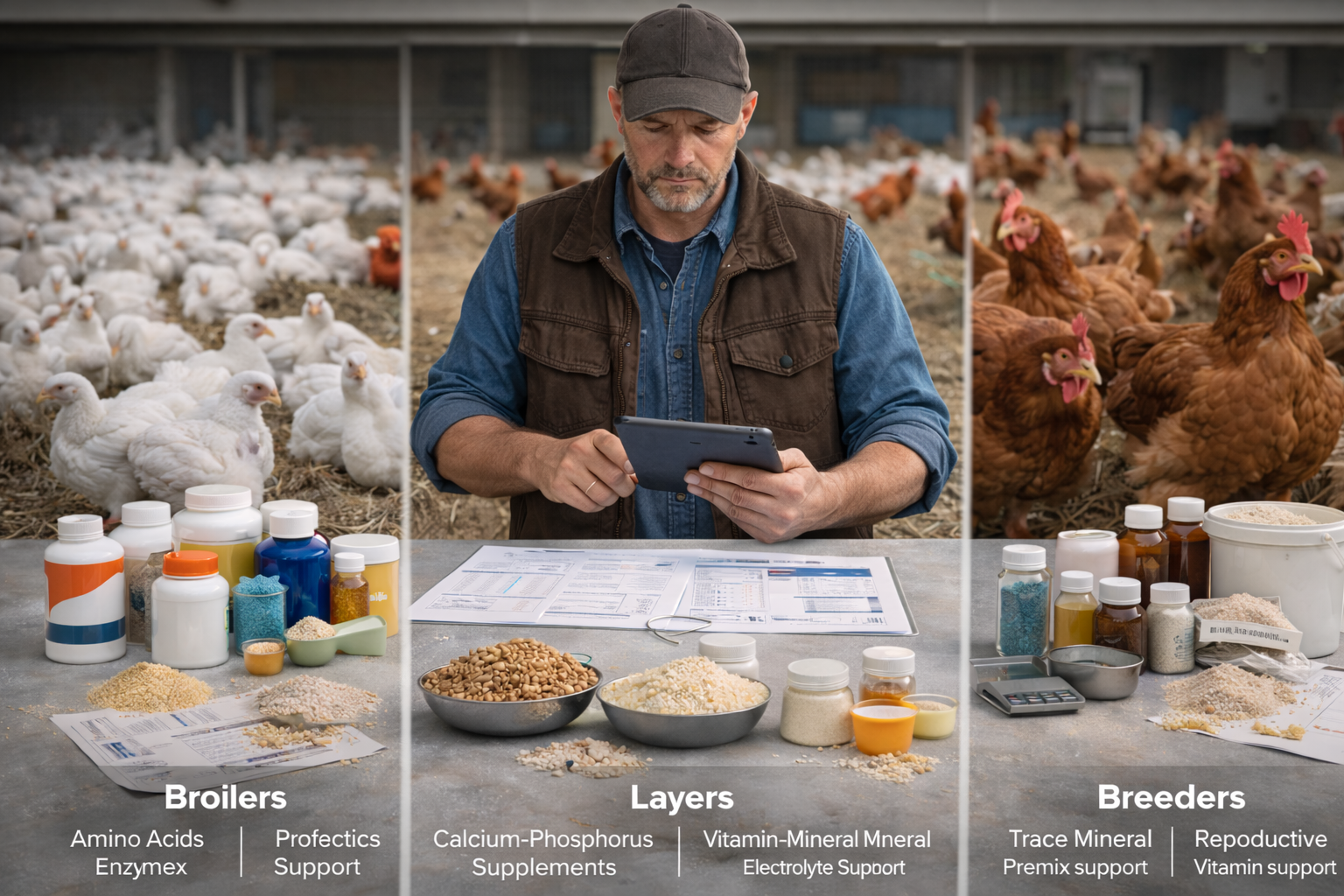
4.1.1 Broilers
Common gaps and goals
Broilers have high demands for amino acids, energy, minerals and vitamins to support rapid growth and efficient feed conversion. Key goals are fast weight gain, low FCR, robust immunity and good carcass quality.
Useful supplement categories
- Vitamin–mineral premix tailored to broiler growth phases.
- Amino acids (lysine, methionine, threonine) via premix or feed formulation.
- Enzymes (phytase, xylanase) to improve nutrient release from grains and reduce feed cost.
- Probiotics and phytogenics to support gut health and reduce reliance on antibiotics.
- Electrolytes and antioxidants during heat stress.
Common mistakes
- Using layer premixes for broilers, leading to imbalanced nutrients.
- Overloading multiple “growth promoter” products without assessing diet basics.
- Ignoring litter, stocking density and biosecurity, expecting supplements alone to solve health issues.
Buyer priorities
- Proven performance data in broiler trials.
- Clear phase‑specific inclusion rates.
- Compatibility with existing coccidiostats and medications.
4.1.2 Layers
Common gaps and goals
Layers require sustained calcium, phosphorus, vitamin D and trace minerals for shell quality and egg production, alongside energy and amino acids for maintenance and lay. Goals include high egg number, strong shells, good persistency and minimal metabolic disorders.
Useful supplement categories
- Layer‑specific vitamin–mineral premix with elevated vitamin D3 and calcium support.
- Calcium–phosphorus supplements with appropriate particle size for extended shell formation.
- Gut‑health products (probiotics, phytogenics) to maintain egg production under stress.
- Electrolytes and antioxidants during heat stress periods.
Common mistakes
- Underestimating calcium requirements in late lay, leading to shell defects.
- Using generic farm mineral mixes not designed for laying hens.
- Abrupt feed changes without gut or stress support.
Buyer priorities
- Premixes designed for layers, not generic poultry.
- Evidence of shell quality and persistency benefits.
- Clear instructions on inclusion in mash or pellet feeds.
4.1.3 Breeders (broiler and layer breeders)
Breeding flocks need carefully balanced nutrients to support fertility, hatchability and chick quality, not just growth or egg numbers. Trace minerals, vitamins A, E, biotin and folic acid are especially critical for reproductive performance.
Breeder‑oriented premixes often adjust vitamin and trace mineral levels upward versus commercial broilers or layers and may include specific fertility support components. Over‑conditioning and excessive energy intake remain major risks, so supplements should be part of a tightly controlled feeding program.
4.2 Cattle
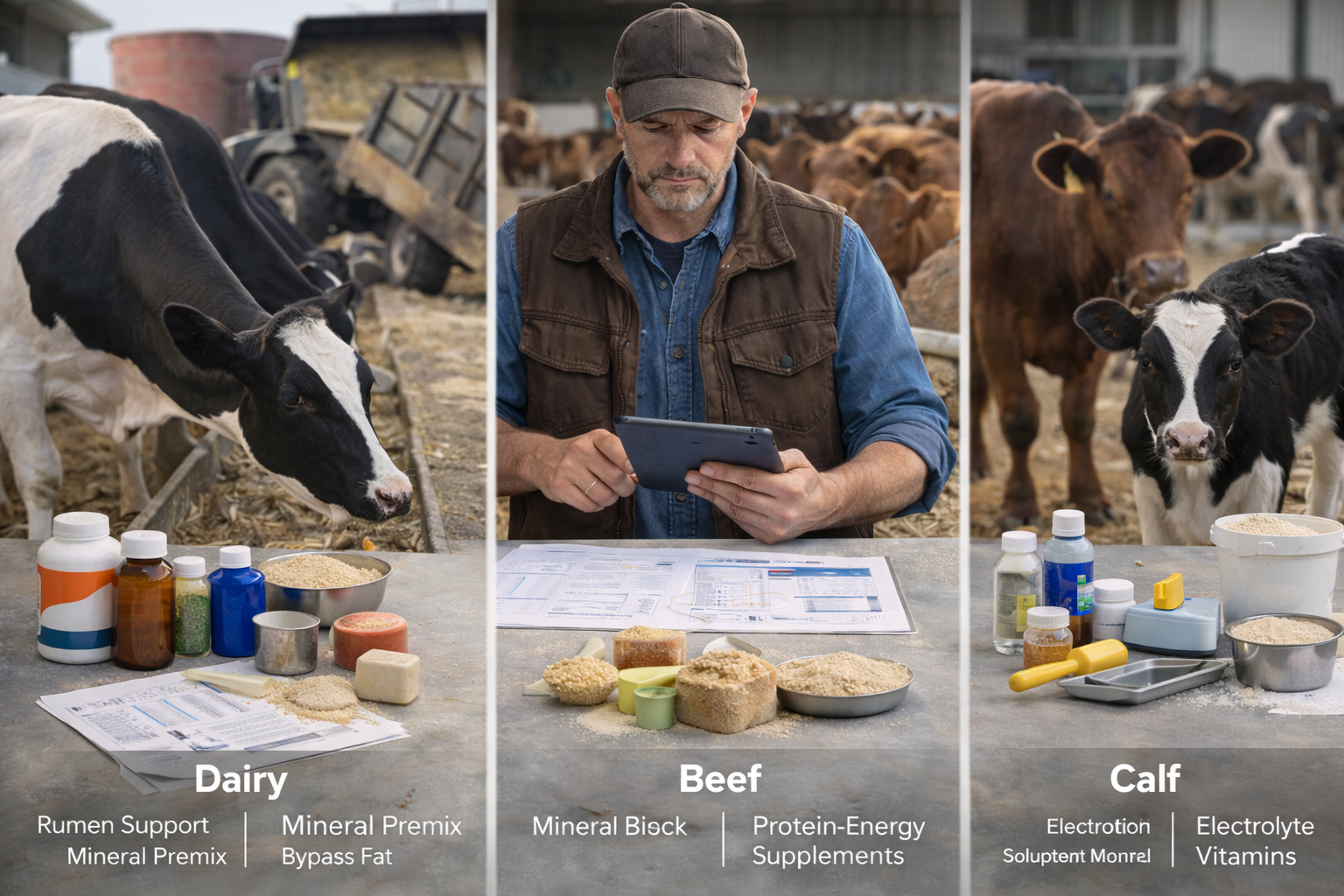
4.2.1 Dairy cows
Common gaps and goals
High‑yielding dairy cows are very sensitive to energy balance, rumen function and micronutrient supply, particularly around calving and in early lactation. Goals include high milk yield and solids, good reproductive performance, low metabolic disease and efficient feed use.
Useful supplement categories
- Dairy‑specific mineral–vitamin mixes addressing calcium, phosphorus, magnesium and trace elements.
- Rumen buffers and yeast cultures to stabilize rumen pH and improve fiber digestion.
- Bypass fats and rumen‑protected amino acids to increase energy and metabolizable protein supply without excessive rumen degradation.
- Transition cow supplements including anionic salts and targeted minerals where diets are formulated accordingly.
Common mistakes
- Applying high‑calcium supplements indiscriminately pre‑calving without considering dietary cation–anion balance.
- Poorly mixing mineral supplements in TMR, leading to uneven intake.
- Using generic “all‑purpose” mineral blocks instead of dairy‑precision programs.
Buyer priorities
- Clear formulation adapted to local forages and production level.
- Proven effects on milk yield, MPE (milk yield/FCM) and health parameters.
- Technical support for ration balancing and transition cow management.
4.2.2 Beef cattle
Beef systems range from extensive grazing to intensive finishing, with different supplementation needs. Common goals are steady growth, good feed efficiency, carcass quality and reproductive performance in breeding herds.
Useful categories include mineral blocks or loose minerals tailored to pasture composition, protein or energy supplements for low‑quality forage periods, and rumen modifiers to improve fiber digestion and reduce digestive upsets in high‑grain finishing diets. Biological and microbial feeds (such as yeast cultures and fermented feeds) can improve feed utilization and health in intensive beef systems when integrated properly.
4.2.3 Calves
Young calves are vulnerable to digestive and respiratory disease and have high nutrient requirements for growth and immune development. Milk replacer or whole milk quality, starter intake and hygiene remain the main performance drivers, but supplements such as probiotics, electrolytes during scours, vitamins and trace minerals can support health and growth.
Calf supplements should focus on palatability, ease of dosing (often water‑soluble) and safety, with veterinary guidance for any products used during disease episodes.
4.3 Goats and sheep
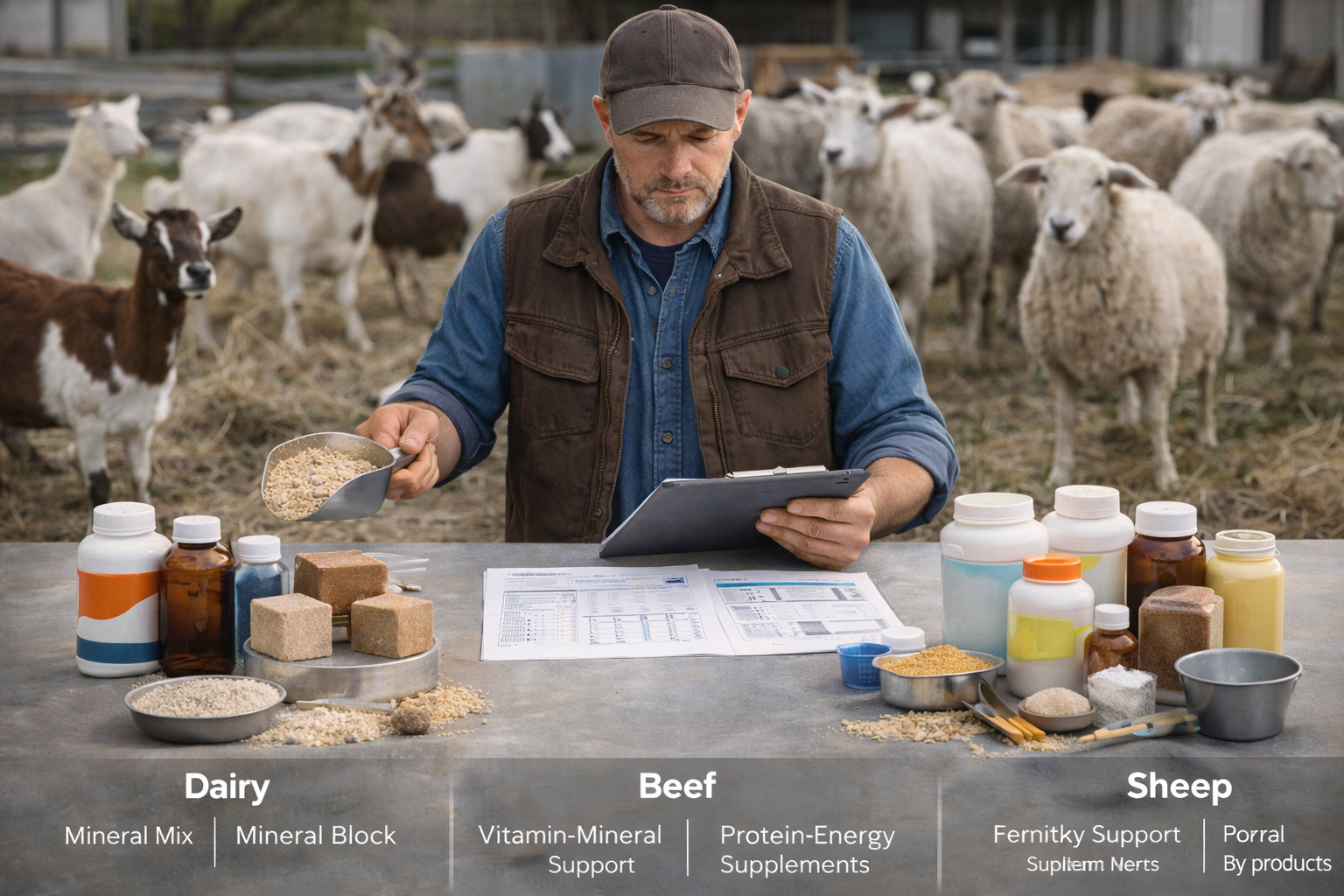
Small ruminants are often kept on variable‑quality pastures or crop residues and are prone to mineral deficiencies depending on soil and forage types. Goals include growth, milk yield in dairy goats, fertility, parasite resilience and product quality.
Mineral mixes or blocks tailored to sheep and goats are critical, particularly for copper, selenium and iodine, which have narrow safety margins and species‑specific requirements. Protein and energy supplements are used in late pregnancy, early lactation and during forage gaps, while strategic use of by‑products and non‑traditional feeds (for example, Azolla) can reduce feed costs when supported by appropriate minerals and vitamins.
4.4 Swine
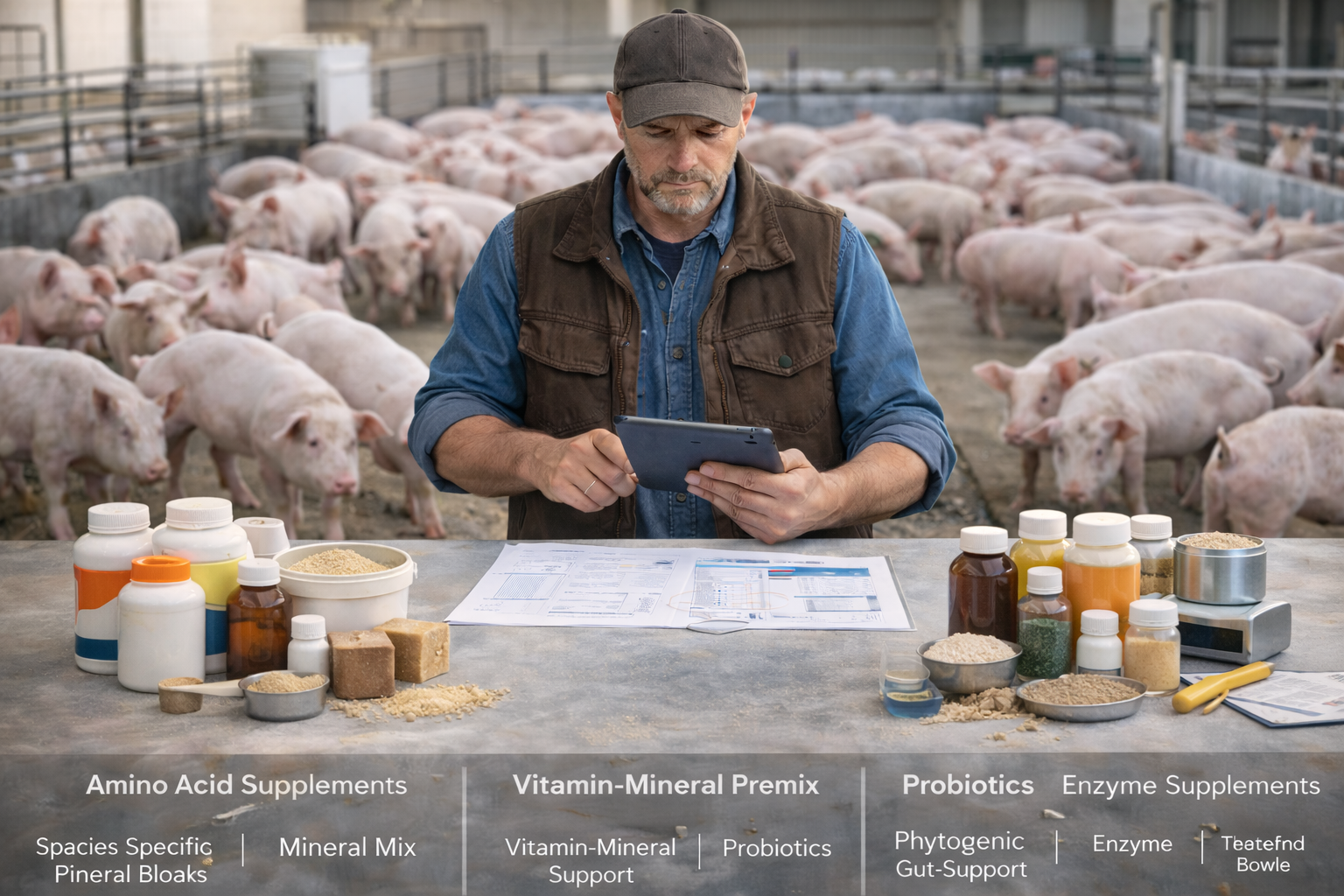
Pigs have high demands for amino acids, energy and a balanced micronutrient supply, with performance very sensitive to gut health and environmental stress. Phytogenic feed additives, probiotics and enzymes are widely used in pig diets to support growth performance, nutrient digestibility, gut integrity and meat quality, especially as antibiotic growth promoters are phased out.
Good pig supplementation programs revolve around precise amino acid balancing, phase‑specific vitamin–mineral premixes, gut‑health products and, where appropriate, by‑product utilization supported by enzymes.
5. How to Choose the Right Feed Supplement
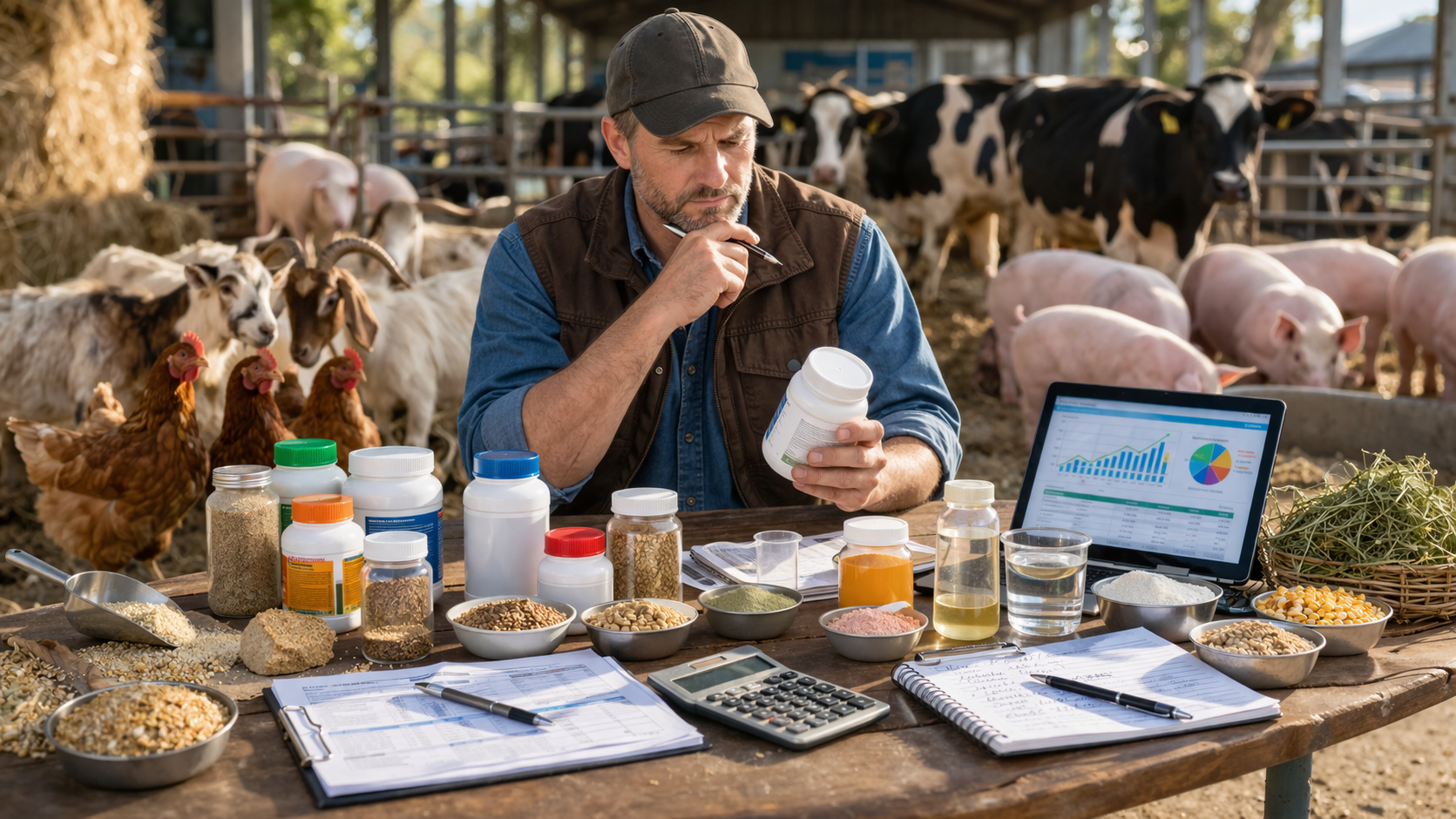
A structured decision framework helps avoid random purchases and ensures supplements are aligned with farm goals and diets.
5.1 Start with species and production stage
Always choose products explicitly labeled and formulated for the target species (for example, broiler, layer, dairy cow, beef, pig, goat, sheep) and, ideally, for the relevant production stage (starter, grower, finisher, pre‑lay, peak lactation, dry period). Species‑specific premixes and additives consider different nutrient requirements, tolerances and digestive physiology and are safer than “one‑size‑fits‑all” options.
5.2 Define the primary farm goal
Clarify the main objective before choosing a product:
- Improve growth/FCR.
- Increase milk yield or milk production efficiency.
- Support egg production and shell quality.
- Enhance fertility and reproduction.
- Improve gut health and immunity.
- Manage heat stress or other environmental stress.
- Enable use of alternative feeds or by‑products.
Each goal aligns with particular supplement categories (for example, enzymes for FCR; mineral–vitamin programs for reproduction; electrolytes and antioxidants for heat stress).
5.3 Assess the current diet and environment
Supplement choice should follow an evaluation of existing feed, forage quality and environmental challenges.
- Analyze forage and major feed ingredients where possible.
- Review existing premixes or additives in purchased feeds.
- Consider housing, temperature, health status and stocking density.
Using supplements without understanding baseline nutrition risks duplication, imbalance or wasted cost.
5.4 Evaluate formulation quality and bioavailability
High‑quality supplements disclose active ingredients, concentrations and forms (for example, organic vs. inorganic minerals, protected vs. unprotected nutrients). Bioavailability varies between chemical forms; for instance, some organic trace minerals show higher bioavailability and lower excretion than simple oxides, while rumen‑protected forms are needed for certain nutrients in high‑producing dairy cows.
Look for products backed by research or at least by clear formulation rationale, rather than vague claims about “special” ingredients.
5.5 Check compatibility with the existing program
Supplements must be compatible with current feed additives, medications and management.
- Avoid double‑dosing vitamins or trace minerals from multiple overlapping products.
- Confirm compatibility with coccidiostats, antibiotics or other additives listed on feed labels.
- Coordinate with ration formulation to prevent imbalances (for example, cation–anion balance in dairy cows; calcium–phosphorus ratio in layers).
5.6 Consider delivery method, ease of use and storage
Choose forms that fit farm routines—powder, premix, water‑soluble or block—so that dosing is practical and consistent. Ensure storage conditions (moisture, temperature, light) on farm match label requirements to protect vitamin and enzyme activity.
5.7 Evaluate supplier credibility and support
Reliable supplement suppliers show formulation transparency, quality control, batch traceability and understanding of farm use cases. They often provide technical support on inclusion rates, ration balancing and troubleshooting, which is particularly valuable for complex products like premixes and biological feeds.
6. Signs Your Animals May Need Better Supplementation
Supplements should not be used as the first response to every problem, but certain patterns can indicate potential nutritional gaps.
Common indicators include the following, assuming disease, parasites and management issues are being addressed with veterinary input:
- Poor growth or FCR despite adequate intake and genetics, suggesting amino acid, energy or micronutrient imbalances.
- Reduced milk yield or milk production efficiency relative to peers on similar genetics and management, pointing to energy, protein or mineral issues.
- Low egg production or poor shell quality in layers with otherwise good health, often linked to calcium, phosphorus, vitamin D3 or trace mineral insufficiency.
- Rough feathers, dull coat or skin issues possibly associated with vitamin and trace mineral deficiencies, though parasites and disease must also be considered.
- Fertility problems such as poor conception or embryo loss in herds with adequate heat detection and insemination practices, potentially linked to trace mineral or vitamin E/selenium status.
- Stress sensitivity (heat, transport, vaccination) with marked drops in performance that might be mitigated by targeted electrolytes and antioxidant support.
These signs should trigger a structured review of nutrition and management, ideally with a nutritionist or veterinarian, rather than immediate unplanned supplementation.
7. Common Mistakes Farmers Make When Buying Feed Supplements

7.1 Buying based on marketing claims alone
Highly promotional claims about “miracle” performance gains without transparent composition or evidence often signal low‑value products. Decisions based only on brochures or salesperson promises can lead to overlapping products and inflated feed costs.
7.2 Using the wrong supplement for the species or stage
Applying generic or wrong‑species premixes (for example, layer mix for broilers, beef mineral for dairy cows) can create nutrient excesses or deficits, harming performance and health. Species‑specific nutrient needs and safety margins mean such misapplications are risky and wasteful.
7.3 Ignoring dosage and inclusion rates
Under‑dosing wastes money with no measurable effect; over‑dosing increases cost and may cause toxicity or imbalances, especially with trace minerals and fat‑soluble vitamins. Some studies show no performance benefit when vitamin premix levels exceed requirements, highlighting the importance of correct inclusion.
7.4 Assuming supplements can fix poor basic nutrition
Supplements cannot compensate for grossly inadequate energy, protein or forage quality, or for poor hygiene and housing. Research on feed supplementation in dairy cows and other species confirms that improvements in milk and growth depend on adequate base diets and management; supplements fine‑tune rather than replace fundamentals.
7.5 Overpaying for weak or redundant formulations
Some products combine minimal levels of many ingredients at attractive marketing doses but provide little actual nutritional value when cost per unit of key nutrients is calculated. Without comparing declared composition to needs, it is easy to overpay for brands that add little beyond an existing premix.
7.6 Poor storage and handling
Exposure to heat, moisture and light can degrade vitamins, enzymes and certain bioactives, reducing efficacy well before the stated expiry date. Failing to reseal bags, protect products from humidity or follow storage instructions effectively lowers dose and consistency.
7.7 Mixing incompatible products without guidance
Combining multiple supplements (for example, several mineral mixes, uncoordinated phytogenic blends, overlapping probiotic products) can lead to unforeseen interactions, antagonisms or imbalances. Coordination with a nutritionist or veterinarian helps prevent such incompatibilities.
8. How to Read a Feed Supplement Label
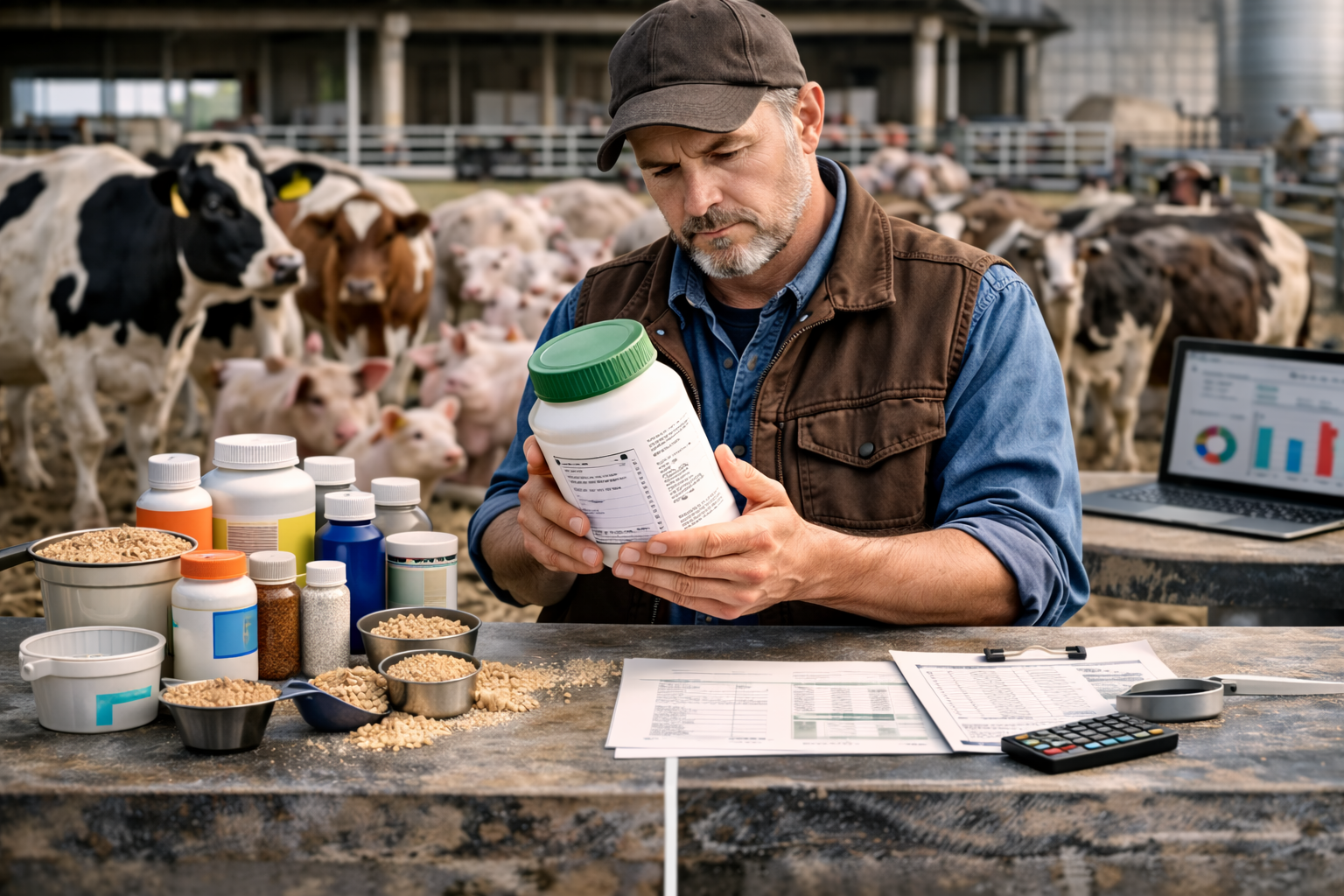
Understanding labels is critical to safe and effective use.
Key elements to examine include the following.
8.1 Active ingredients and composition
Labels should list active nutrients or compounds, usually in units such as IU/kg for vitamins or mg/kg or percent for minerals and other ingredients. Transparent premixes often provide a full breakdown of vitamins, trace minerals and any functional additives such as antioxidants.
8.2 Concentration and inclusion rate
Check how concentrated the product is and how much is recommended per ton of feed, per animal per day, or per liter of drinking water. This allows comparison of cost per unit of key nutrients across products and ensures correct dosing.
8.3 Target species and usage category
Labels must state which species (and sometimes age or production stage) the product is intended for. Nutrient levels and safety margins differ between species, so using a product off‑label can be unsafe, particularly for small ruminants and young animals.
8.4 Purpose and claims
Many jurisdictions require that feed additives and supplements specify their functional group (for example, nutritional additive, zootechnical additive, sensory additive) and any approved claims. Interpret claims about growth, immunity or performance in the context of research evidence and overall nutrition, not as guarantees.
8.5 Directions for use and caution statements
Clear directions should specify how to mix, dissolve or top‑dress the product, along with any precautions (for example, “do not mix with other sources of copper” for sheep minerals). Observe any withdrawal periods or restrictions if they apply.
8.6 Shelf life and storage instructions
Check the manufacture date, expiry date and recommended storage conditions (for example, cool, dry place away from direct sunlight). Deviating from these conditions can shorten shelf life and reduce potency.
8.7 Manufacturer details and quality signals
Reliable labels include manufacturer name, address, batch number and sometimes quality certifications or references to good manufacturing practices. Batch numbers and traceability information are important for quality monitoring and for addressing any future issues.
9. Feed Supplement Forms: Which Delivery Method Is Best?
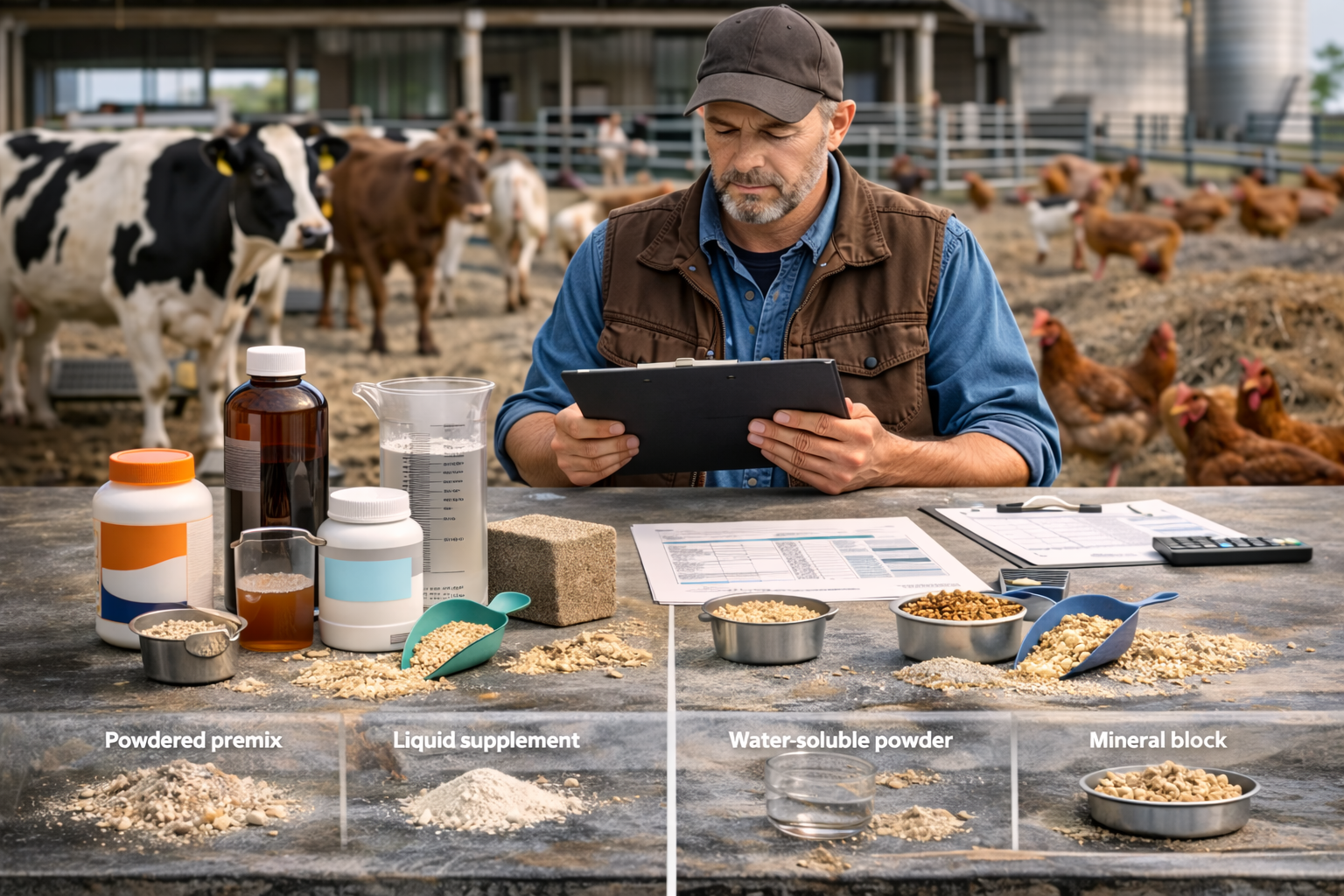
Different forms suit different farm workflows, species and goals.
9.1 Powdered premixes
Powdered premixes are designed for inclusion in feed at the mill or on farm and are the standard for vitamin–mineral and many additive products. They allow precise dosing when mixing is well controlled but require appropriate equipment and procedures to ensure homogeneity.
9.2 Liquid supplements
Liquid products are often used via drinking water or as top‑dress on TMR for fast response during stress, disease or specific short‑term needs. They can provide convenient delivery of electrolytes, vitamins or certain bioactives but depend on water system design and must be compatible with sanitizers and medications.
9.3 Water‑soluble supplements
Water‑soluble powders combine some of the flexibility of liquids with ease of transport and storage, making them popular for poultry and small ruminant operations. They are suited for short courses (for example, during vaccination, heat stress or early life) rather than constant use.
9.4 Mineral blocks and licks
Blocks and licks offer self‑regulated access to minerals, often in extensive beef, sheep and goat systems. Intake can be variable between animals and difficult to control precisely, but blocks are convenient where regular individual dosing is not feasible.
9.5 Top‑dress and bolus forms
Top‑dress powders or liquids are applied directly to individual rations, useful for high‑value animals or small herds where individual dosing is desirable. Slow‑release boluses are used in some systems to deliver trace minerals over extended periods without daily handling.
9.6 Feed‑integrated formulations
Some supplements are not sold as stand‑alone farm products but are incorporated directly into commercial compound feeds or concentrates by the manufacturer. In such cases, the farmer’s role is to choose the right feed specification rather than a separate supplement, but understanding additive types and purposes remains important.
10. Do Feed Supplements Actually Improve Performance?
10.1 When supplements help
Scientific studies consistently show that well‑targeted supplementation can improve performance measures such as growth, FCR, milk yield, egg production and product quality when baseline diets and management are sound. Examples include dairy cows receiving balanced supplements achieving higher milk production efficiency than cows on TMR alone, and poultry and swine fed phytogenic, probiotic or enzyme additives showing improved nutrient digestibility and weight gain.
10.2 When supplements do not help
Supplements show little or no benefit when diets already meet or exceed requirements for the targeted nutrients or when major limiting factors such as disease, poor housing or severe feed restriction dominate. Studies on vitamin premix reductions in broiler finisher diets, for example, indicate no performance or immune impairment when premix levels were reduced or even withdrawn over short periods, suggesting that oversupplying vitamins beyond need does not further enhance growth or health.
10.3 Thinking about ROI
Return on investment depends on the cost per unit of output gained (for example, liters of milk, kilograms of gain, eggs per hen) relative to supplement cost and any savings in feed or health expenses. Integrating supplements into whole‑farm economics—rather than assessing them in isolation—helps determine whether they are paying for themselves.
11. How to Choose a Reliable Feed Supplement Supplier or Manufacturer
Key attributes of a trustworthy supplier include the following.
11.1 Consistent quality and transparency
Reputable manufacturers provide clear formulations, batch‑to‑batch consistency and supporting documentation on nutrient content and additive authorizations. They often conduct raw‑material screening, in‑process checks and mixing uniformity tests to ensure product reliability.
11.2 Species‑targeted product lines
Suppliers that offer species‑ and stage‑specific premixes and additives demonstrate understanding of animal nutrition differences and regulatory requirements. Their materials and technical support usually reflect on‑farm realities rather than generic claims.
11.3 Technical support and problem‑solving
Strong suppliers provide access to nutritionists or technical staff who can help interpret lab analyses, design supplementation programs and troubleshoot performance issues. This support is particularly valuable when integrating non‑traditional feed resources or biological feeds into rations.
11.4 Quality and safety standards
Look for evidence of good manufacturing practices, quality certifications and compliance with feed additive regulations and withdrawal lists. Responsible suppliers monitor regulatory changes and adjust products accordingly, reducing the risk of compliance issues on farm.
12. Best Use Cases and Decision Tables
12.1 Supplement type vs. primary purpose
| Supplement type | Main purpose | Typical species |
|---|---|---|
| Vitamin–mineral premix | Cover micronutrient needs, prevent deficiencies | All livestock and poultry |
| Amino acid supplements | Balance protein, improve FCR and growth | Poultry, pigs |
| Enzymes (phytase, carbohydrases) | Improve nutrient digestibility, reduce feed cost | Poultry, pigs, some ruminants |
| Probiotics/yeasts | Support gut health and feed efficiency | Poultry, pigs, cattle, small ruminants |
| Phytogenic/herbal additives | Modulate gut health, immunity, performance | Poultry, pigs |
| Electrolytes | Support hydration and stress resilience | Poultry, calves, pigs |
| Rumen buffers and modifiers | Stabilize rumen, improve fiber use | Dairy cows, beef cattle |
| Calcium–phosphorus supplements | Support bone and shell health | Layers, dairy cows, goats, sheep |
| Energy/protein boosters | Increase nutrient density | Dairy cows, beef cattle, goats, sheep, poultry |
(Uses synthesized from multiple nutrition reviews and product guides.)
12.2 Species vs. commonly recommended supplement categories
| Species / class | Common goals | Key supplement categories |
|---|---|---|
| Broilers | Growth, FCR, health | Vitamin–mineral premix, amino acids, enzymes, probiotics, phytogenics, electrolytes |
| Layers | Egg number, shell quality | Layer premix, Ca–P supplements, probiotics, phytogenics, electrolytes |
| Dairy cows | Milk yield, health, fertility | Dairy mineral–vitamin mix, rumen buffers, yeasts, bypass fats, protected amino acids |
| Beef cattle | Growth, carcass, fertility | Pasture‑adapted minerals, protein/energy supplements, rumen modifiers |
| Goats and sheep | Growth, fertility, milk | Species‑specific minerals/blocks, protein/energy supplements, by‑product integration |
| Pigs | Growth, FCR, gut health | Phase premixes, amino acids, enzymes, probiotics, phytogenics |
(Aligned with species‑specific nutrition literature and premix practices.)
12.3 Problem/symptom vs. possible supplement direction
| Observed issue | Possible nutritional angle (with veterinary input) |
|---|---|
| Poor growth / high FCR | Review energy, amino acids, enzymes, gut health products |
| Low milk yield or MPE | Assess energy balance, protein, minerals, rumen modifiers |
| Thin shells / egg breakage | Check Ca–P balance, vitamin D3, layer premix adequacy |
| Fertility problems | Review trace minerals (Se, Zn, Cu, Mn, I), vitamins A, E |
| Heat‑stress‑related drops in intake | Consider electrolytes, antioxidants, adjust energy density |
| Digestive upsets, inconsistent manure | Evaluate fiber, starch, probiotics, enzymes, rumen buffers (ruminants) |
(Examples based on nutrition and supplement reviews; not a substitute for diagnosis.)
12.4 Supplement form vs. best use case
| Form | Strengths | Typical use cases |
|---|---|---|
| Powder premix | Precise dosing in feed, good homogeneity | Feed mills, on‑farm TMR mixing |
| Liquid | Rapid response via water, easy short‑term use | Heat stress, acute support, small groups |
| Water‑soluble powder | Flexible dosing, easy transport | Poultry stress periods, early life support |
| Mineral block/lick | Low labor, suitable for grazing | Beef, sheep, goats on pasture |
| Bolus | Long‑term mineral supply without daily dosing | Cattle, sheep in extensive systems |
(Use case patterns drawn from extension and product guidance.)
13. FAQ: Animal Feed Supplements for Livestock and Poultry
1. What are animal feed supplements?
Animal feed supplements are concentrated products added in small amounts to regular feed or water to provide extra nutrients or functional ingredients that support animal health and performance beyond what the base diet supplies.
2. Are feed supplements the same as feed additives?
“Feed additives” is a broad regulatory term covering any substances added to feed for technological, sensory, nutritional or zootechnical purposes, whereas “supplements” usually refers to nutritional or functional products used on top of basic rations to meet specific animal needs.
3. Are feed supplements safe for poultry and livestock?
Approved feed additives and supplements that follow regulatory standards and label directions are generally safe for target species, but misuse, off‑label application or overdosing—especially with trace minerals and vitamins—can cause imbalances or toxicity.
4. What supplements help egg production and shell quality?
Layer‑specific vitamin–mineral premixes, adequate calcium and phosphorus sources, vitamin D3 and balanced trace minerals such as zinc and manganese are key for supporting egg production and strong shells in laying hens.
5. What supplements are best for dairy cows?
Dairy cows typically benefit most from well‑designed mineral–vitamin mixes, rumen buffers and yeast cultures, and energy‑dense supplements such as bypass fats and protected amino acids when needed, all integrated into a balanced TMR.
6. Do supplements replace a balanced feed?
No; supplements are designed to fine‑tune or enhance balanced diets, not to substitute for adequate energy, protein, fiber and basic mineral supply. Poor‑quality base diets cannot be fully corrected by supplements alone.
7. Are liquid feed supplements better than powders?
Liquid and water‑soluble forms can be more convenient for short‑term support or rapid response via drinking water, while powders and premixes are better suited for routine inclusion in feed with precise dosing; neither is universally “better”—the right choice depends on the goal and farm setup.
8. Can the same supplement be used for cattle and poultry?
In general, no; nutrient levels and safety margins differ widely between species, so supplements should be chosen specifically for their intended species and production stage unless the label explicitly supports multiple targets.
9. How often should feed supplements be used?
Frequency depends on the product and objective: some premixes are used continuously in formulated feeds, while electrolytes, certain phytogenics or stress‑relief products are applied only during particular risk periods; label directions and professional advice should guide use.
10. What is the difference between a premix and a supplement?
A premix is a concentrated mixture of micro‑ingredients (for example, vitamins, minerals, additives) intended for inclusion at low rates in complete feeds, whereas “supplement” is a broader term that can include premixes, blocks, liquids or other products used to complement the diet.
11. How do I know if my livestock need mineral supplementation?
Mineral needs depend on species, production level and the mineral content of forages and feeds; soil and forage analyses, clinical signs, production data and veterinary or nutritionist input are used together to decide on mineral supplementation.
12. Are natural or herbal feed supplements effective?
Phytogenic and botanical feed additives have demonstrated benefits for gut health, immunity and performance in many poultry and swine studies, but results can vary with plant source, formulation and dose, so products should be chosen based on evidence and realistic expectations.
13. What should I check before buying a poultry supplement?
Confirm the target class (broiler, layer, breeder), check active ingredients and concentrations, review inclusion rates, assess compatibility with existing feed and medications, and prefer suppliers with transparent formulations and support.
14. Can supplements improve feed efficiency?
Yes, when they address limiting nutrients or digestive constraints—such as enzymes releasing more energy and phosphorus from grains or probiotics improving gut health—supplements can improve FCR and reduce feed cost per unit of gain, milk or eggs.
15. Do I still need supplements if I use non‑traditional feeds like Azolla or banana by‑products?
Non‑traditional feeds can reduce costs and provide valuable nutrients, but their variable composition and anti‑nutritional factors usually require complementary minerals, vitamins and sometimes enzymes or probiotics to fully realize their potential.
16. Who should I consult before changing my supplementation program?
Major changes to supplements or feed formulation should be discussed with a qualified animal nutritionist or veterinarian familiar with local conditions, regulations and farm goals, to avoid imbalances and ensure cost‑effective outcomes.
14. Practical Takeaways
- Feed supplements work best as part of a coherent nutrition and management strategy built on sound base diets, not as isolated quick fixes.
- Species‑ and stage‑specific premixes and targeted functional additives (enzymes, probiotics, phytogenics, electrolytes) can meaningfully improve productivity, health and feed efficiency when matched to real needs and used at correct doses.
- Careful label reading, supplier selection and consultation with nutrition professionals reduce the risk of wasted spending and help ensure that supplementation supports, rather than undermines, long‑term herd and flock performance.